News Center
—— NEWS CENTER ——
Xi'an Shenghongchuang Instrument Co., Ltd.
Contact: Mr. Zhang
Mobile: 15529283736
Email: shc-sensor@qq.com
Address: Fortune Building, Sanqiao Street, Xixian New Area, Xi'an, Shaanxi Province
Selection Guide for Diffused Silicon Pressure Sensors
In the field of flow control equipment, the accuracy deviation of diffused silicon sensors such as the FY-FY211 pressure transmitter directly affects system stability. This article addresses the 0.5% accuracy deviation issue, combining the YM-1001 calibration method and key technical parameters such as the PT-507 measurement range, providing operators and technical evaluators with a selection guide to avoid pitfalls, helping you choose genuine sensors suitable for DMP335 and other compatible equipment.
1. What does a 0.5% accuracy deviation mean?
In industrial automation control, the accuracy of pressure sensors directly affects the reliability of system measurements. Taking the FY-FY211 pressure transmitter as an example, a 0.5% accuracy deviation means that the measurement result may have an error of 0.5% at full scale. For example, with a range of 100MPa, the maximum error can reach ±0.5MPa.
For demanding flow control equipment, such errors can lead to inaccurate system adjustments. Therefore, when selecting diffused silicon sensors, it is essential to fully understand their accuracy class and compatibility with the application scenario. For example, the domestically produced general-purpose pressure transmitter TS205 offers a variety of accuracy options from 0.1% to 0.5% to meet the needs of different operating conditions.
2. Key Parameter Analysis and Selection Considerations
Measurement range: The typical measurement range of the PT-507 pressure transmitter is the primary consideration when selecting it. An excessively large range will reduce measurement accuracy, while an excessively small range may overload and damage the sensor.
Media compatibility: The YM-1001 pressure transmitter uses a 316L stainless steel diaphragm, making it compatible with most non-corrosive media. However, under special operating conditions, the chemical properties of the media must also be considered.
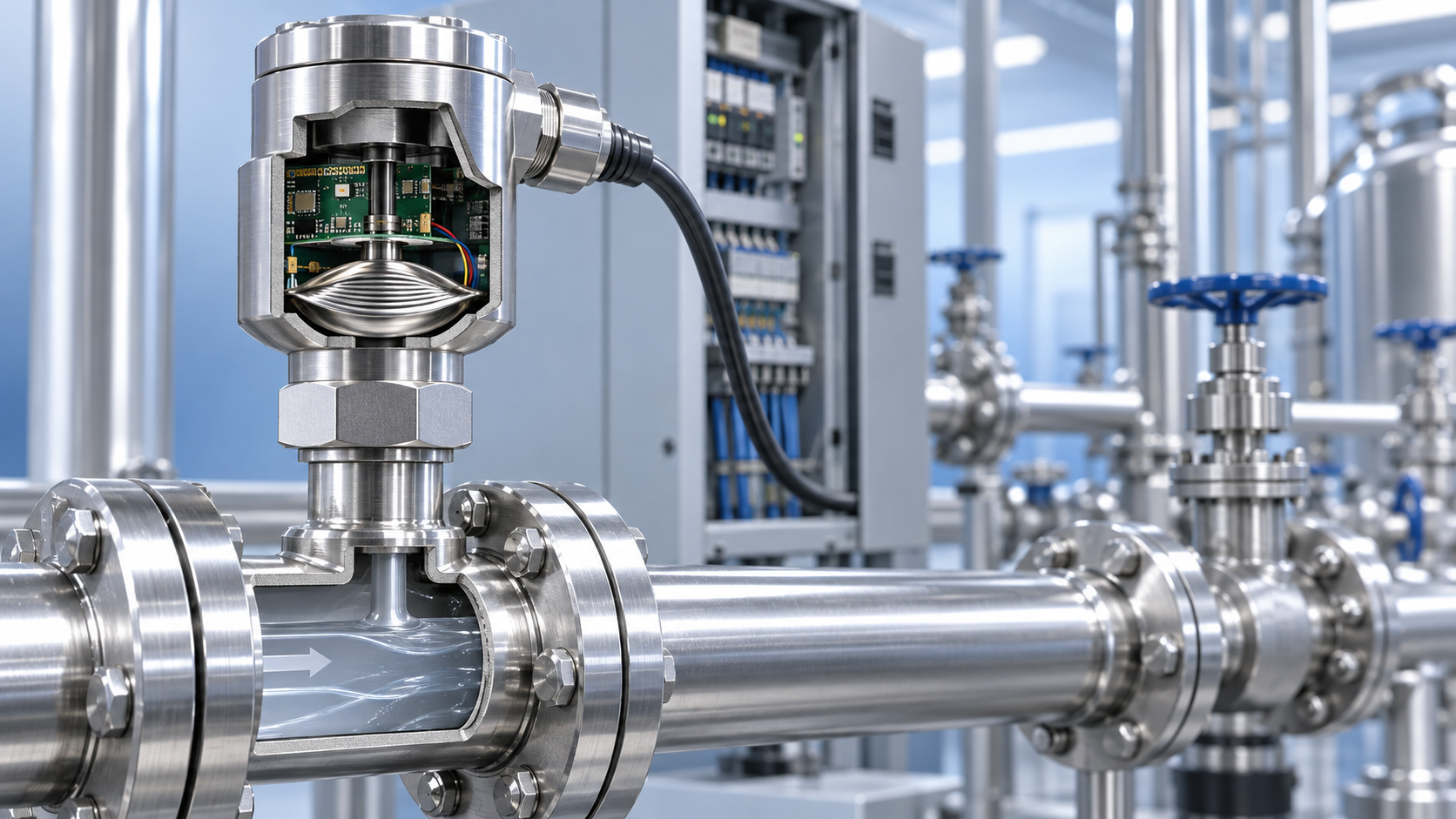
Temperature Influence: The temperature compensation characteristics of the FY-FY212 pressure transmitter directly affect its long-term stability. High-quality sensors can maintain stable output within the range of -20 to +85℃.
3. Common Misconceptions about Installation and Verification
Although the wiring diagram for the YM-109 pressure transmitter is simple, improper installation can still lead to measurement errors. Common problems include:
- Electrical interference causes signal fluctuations
- Mechanical stress affects sensor performance
- Medium temperature exceeds sensor compensation range
The DMP-DMP335 pressure transmitter requires regular calibration for proper use. It is recommended to perform YM-1001 standard calibration every 6 months to ensure measurement accuracy.
4. Recommendations for Selecting Supporting Equipment
The selection of instruments for PMP131-A1B01A73 and equipment for DMK-DMK457 is equally important:
5. Methods for identifying genuine products from the original manufacturer
Genuine YM-110 pressure transmitters typically have the following characteristics:
- Complete factory inspection report
- Clear anti-counterfeiting labels
- Standard packaging and instructions
It is recommended to purchase through official channels and avoid using 8472.25-5717 parts of unknown origin, as these may affect the sensor's lifespan and accuracy.
Summary and Recommendations
In flow control systems, the selection of diffused silicon pressure sensors requires comprehensive consideration of accuracy, measurement range, media characteristics, and supporting equipment. For example, the TS205 series sensors, with their high accuracy of 0.1% and wide temperature adaptability, have become the preferred choice in industries such as petrochemicals.
For more information on FY-FY211 pressure transmitter accuracy optimization solutions or to obtain technical support for DMP335 supporting equipment, please contact our professional technical team.
Related Recommendations
![]() Southchip Technology Launches Its First Optical Sensor, the SC52115, for Wearable Devices
Southchip Technology Launches Its First Optical Sensor, the SC52115, for Wearable Devices How does a pressure sensor convert changes in applied force into usable electrical signals?
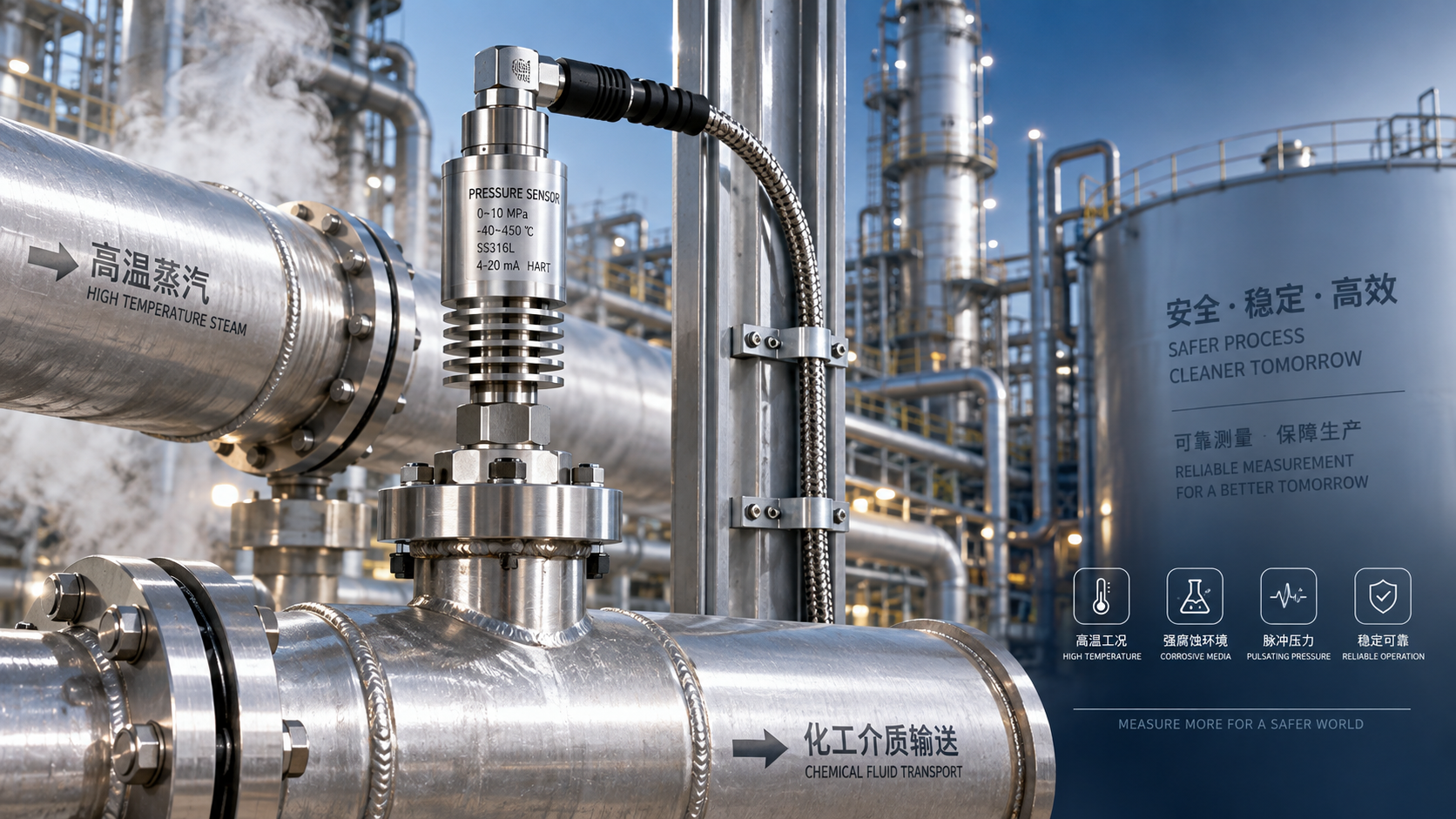
 Which parameters should be considered when selecting pressure sensors for high-temperature, corrosive, and pulsating operating conditions?
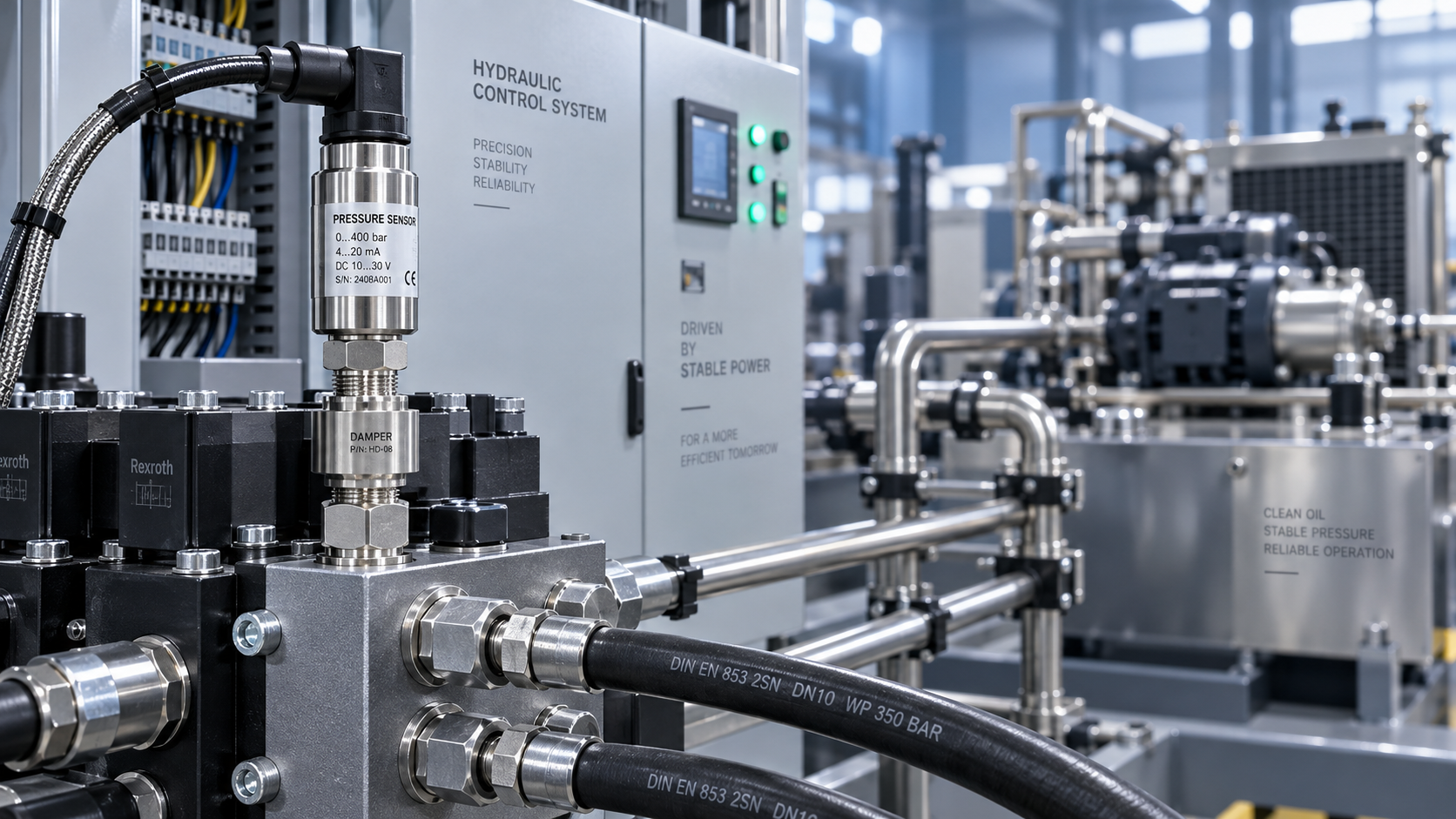
 Hydraulic equipment pressure fluctuates frequently. How can sensors be configured to improve control stability?