News Center
—— NEWS CENTER ——
Xi'an Shenghongchuang Instrument Co., Ltd.
Contact: Mr. Zhang
Mobile: 15529283736
Email: shc-sensor@qq.com
Address: Fortune Building, Sanqiao Street, Xixian New Area, Xi'an, Shaanxi Province
Which Diffused Silicon Sensor for the CYBB1 Pressure Transmitter Offers the Best Cost Performance
In the field of industrial automation,the selection of a pressure transmitter is directly related to the stability of the production process and the accuracy of measurement data。The diffused silicon sensor integrated in the CYBB1 pressure transmitter has become the preferred choice for many industrial applications due to its high accuracy,long-term stability,and fast response characteristics。However,there are various models on the market,such as GT-V and YXK-YXK,and operators often face difficulties in selection。This article will provide an in-depth analysis of the performance features,usage methods,and price ranges of diffused silicon liquid and gas pressure sensors,helping you make an informed purchasing decision。
Core Advantages and Limitations of Diffused Silicon Sensors
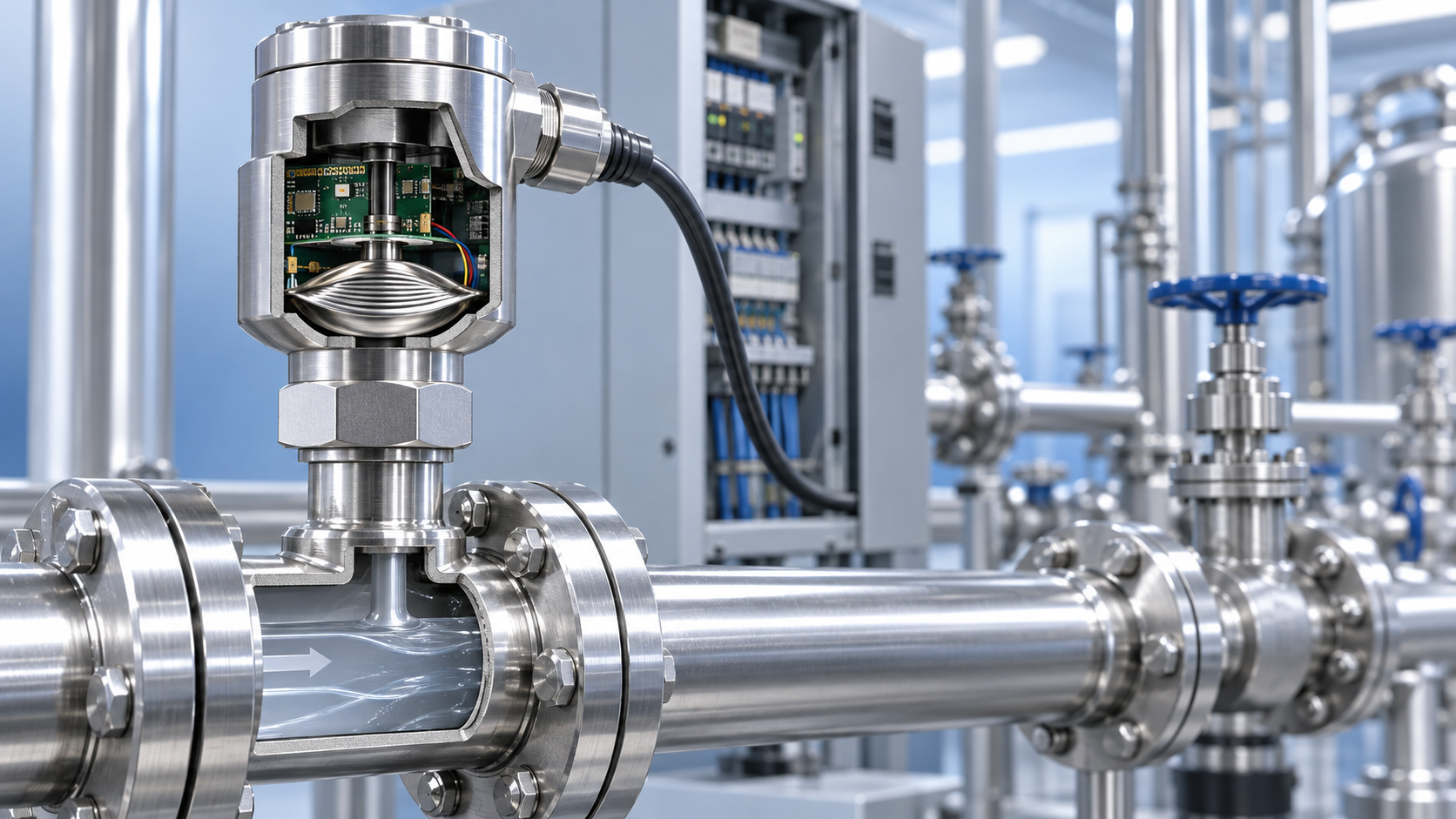
Diffused silicon pressure sensors use the piezoresistive effect principle of monocrystalline silicon,forming a Wheatstone bridge on the surface of the silicon wafer through semiconductor processes。The diffused silicon sensor integrated in the GT-V pressure transmitter offers high accuracy of 0.1%FS,with an operating temperature range of -40℃~125℃,making it especially suitable for harsh environments such as petrochemical and electric power energy applications。Compared with traditional ceramic capacitive sensors,its response time is shortened by 60%,and its dynamic characteristics are excellent。
However,diffused silicon sensors also have inherent limitations:first,silicon materials are sensitive to overload and impact。Although the GT-V model uses a stainless steel isolation diaphragm for protection,mechanical vibration still needs to be avoided;second,long-term exposure to corrosive media may cause diaphragm damage,in which case the Hastelloy diaphragm version of the YXK-YXK model should be selected。It is worth noting that the CYBB1 series improves media compatibility to the PH2-12 range through optimized packaging technology,significantly expanding its application scenarios。
Horizontal Comparison of Mainstream Model Performance
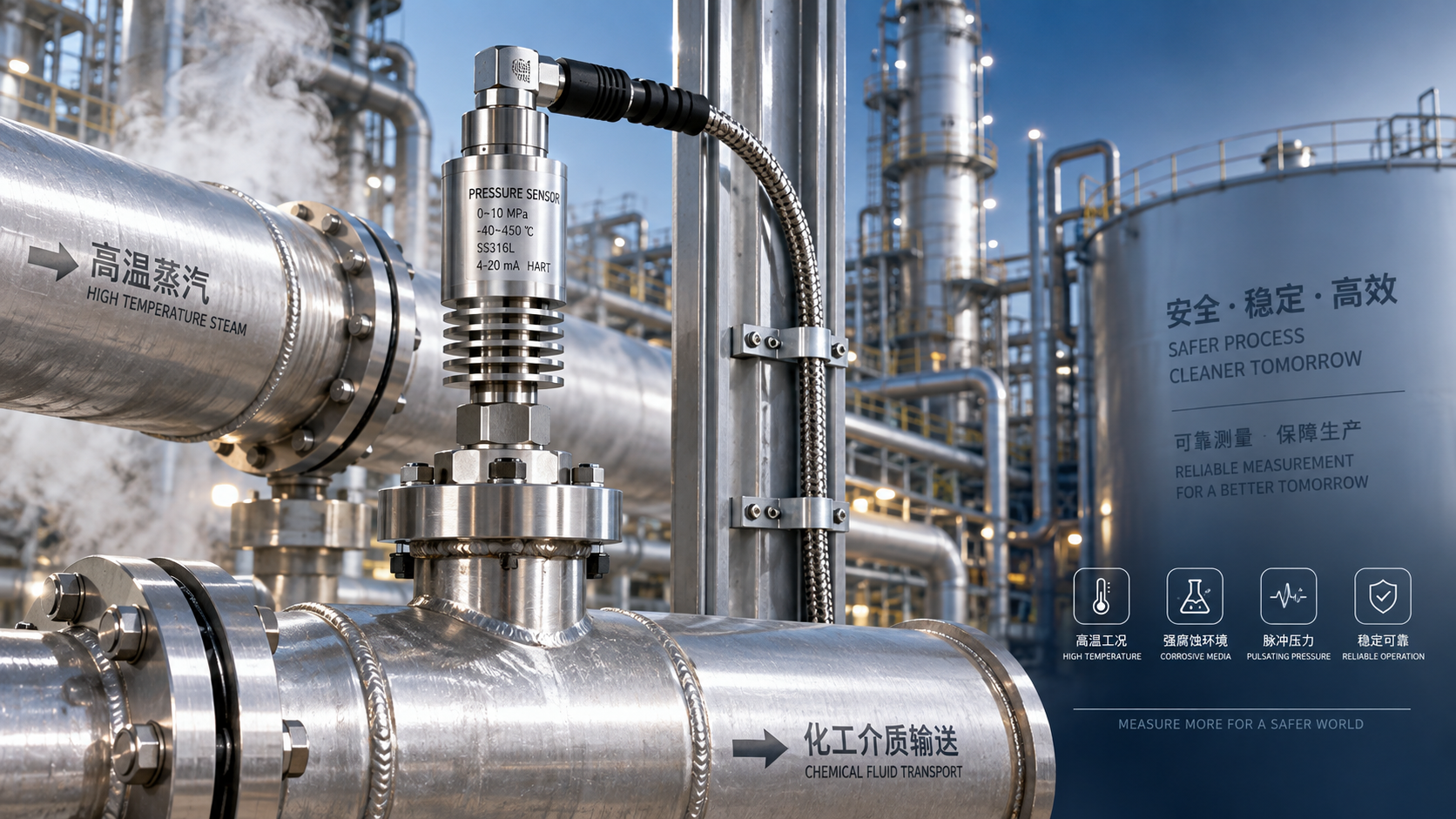
From the perspective of cost performance,for applications such as conventional water treatment and air-conditioning systems,CYBB1-M1 fully meets the requirements and offers a clear price advantage;for chemical process control,GT-V300 is recommended,as its 316L stainless steel isolation structure can effectively resist chloride ion corrosion;YXK-YXK Pro is suitable for special scenarios such as ultra-high-pressure hydraulic systems,but its price is 3-4 times higher than standard models。
Correct Installation and Maintenance Guide
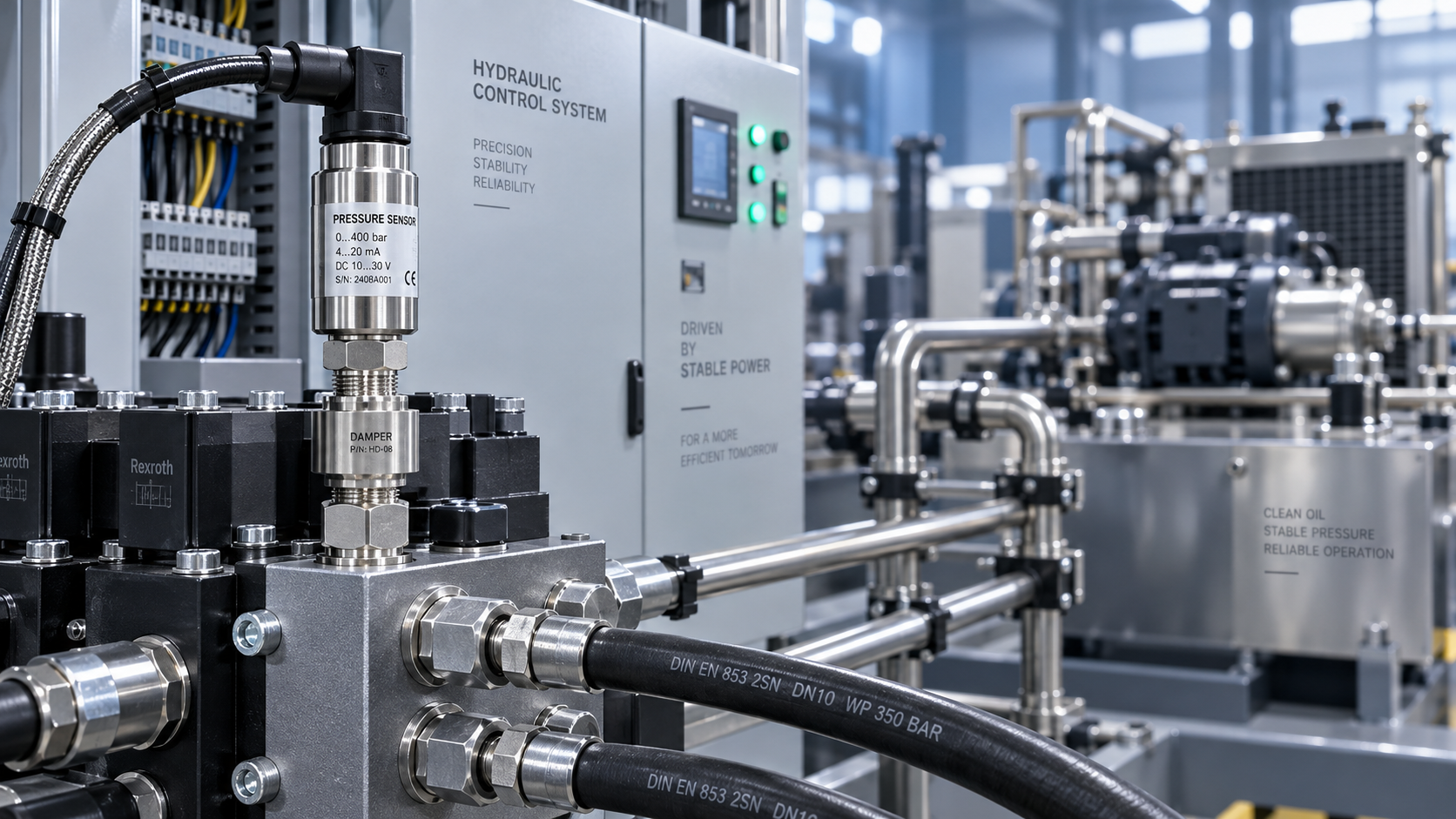
The performance of diffused silicon sensors largely depends on proper installation practices。When installing the GT-V pressure transmitter,please note:the process connection should use a sealing gasket(PTFE material is preferred),with torque controlled at 15-20N·m;the electrical interface must be waterproofed,and the cable shielding layer must be grounded at one end only。For scenarios with pressure pulsation,it is recommended to install a pulsation damper upstream of the CYBB1 transmitter。
Routine maintenance should focus on zero drift:perform no-load calibration once per month。If the output deviation of the GT-V model exceeds 0.5% of the measuring range,check whether the diaphragm has scaling;for the YXK-YXK series,temperature compensation calibration is recommended once per quarter。Special reminder:it is strictly forbidden to clean the sensor diaphragm with organic solvents,as this will cause permanent damage to the diffused silicon sensing element。
Key Considerations for Purchasing Decisions
When selecting a diffused silicon pressure transmitter,you should not only focus on how much the GT-V pressure transmitter costs,but should establish a multidimensional evaluation system:first,consider the characteristics of the medium。For acidic media,a tantalum diaphragm model should be selected;second,consider accuracy requirements。For laboratory-grade applications,accuracy above 0.05%FS should be selected;finally,consider certification requirements,such as the CYBB1-F model with 3A certification required by the food industry。
Regarding the question of "Is the GT-V pressure transmitter cheap",in fact,overseas brands with equivalent performance are usually 30-50% more expensive。Leading domestic manufacturers have kept the cost of the CYBB1 series at a reasonable level through scaled production,and provide a 2-year warranty service。It is recommended to request third-party test reports before purchasing,with a focus on verifying long-term stability indicators。
Typical Fault Diagnosis and Solutions
When the GT-V pressure transmitter output is abnormal,troubleshooting can be carried out according to the following process:check whether the power supply voltage is stable(24VDC±10% required);test whether the loop current is within the 4-20mA range;use a HART handheld communicator to read the raw sensor signal。Among common issues,output signal fluctuation is mostly caused by poor grounding,while zero drift often indicates diaphragm damage。
For the E-09 fault code specific to the CYBB1 series,it is usually caused by the process temperature exceeding the sensor compensation range。At this point,confirm whether the medium temperature is between -20℃~80℃,or consider switching to the YXK-YXK high-temperature model(up to 150℃)。Maintenance records show that properly installed diffused silicon sensors can achieve an average trouble-free operating time of more than 5 years。
In summary,CYBB1-M1 demonstrates the best cost performance in conventional industrial fields,GT-V300 is suitable for moderately corrosive environments,and YXK-YXK Pro is designed for extreme operating conditions。It is recommended to create a model selection comparison table based on actual operating condition parameters,and contact the manufacturer’s technical engineers for customized solutions when necessary。Click online consultation to obtain the latest product manuals and technical white papers,and our sensor experts will provide you with one-on-one model selection guidance。
Related Recommendations
![]() Southchip Technology Launches Its First Optical Sensor, the SC52115, for Wearable Devices
Southchip Technology Launches Its First Optical Sensor, the SC52115, for Wearable Devices How does a pressure sensor convert changes in applied force into usable electrical signals?
 Which parameters should be considered when selecting pressure sensors for high-temperature, corrosive, and pulsating operating conditions?
 Hydraulic equipment pressure fluctuates frequently. How can sensors be configured to improve control stability?