News Center
—— NEWS CENTER ——
Xi'an Shenghongchuang Instrument Co., Ltd.
Contact: Mr. Zhang
Mobile: 15529283736
Email: shc-sensor@qq.com
Address: Fortune Building, Sanqiao Street, Xixian New Area, Xi'an, Shaanxi Province
In the field of precision weighing for medical devices, the CHM1 load cell stands out with its outstanding performance. This test compares multiple miniature force sensors such as EVT-14 and NOS-W401, analyzes the technical advantages of CHM1 in accuracy, stability, and compact design, and reveals the core reasons why it has become the preferred choice in the medical industry.
I. Core Requirements of Medical Devices for Miniature Load Cells
The medical device field has extremely stringent requirements for miniature force sensors, mainly reflected in the following three dimensions:
- Accuracy requirements: Scenarios such as drug weighing and infusion control require accuracy of ±0.1%FS or even higher
- Space limitations: Endoscopes, portable devices, and similar applications impose strict limits on sensor size, usually requiring a diameter ≤20mm
- Environmental adaptability: They must withstand special operating conditions such as disinfectant corrosion and temperature fluctuations
According to data from the 2023 Medical Device Sensor Technology White Paper, 83% of medical device manufacturers list "small-size sensors" and "long-term stability" as the primary considerations when selecting models. This explains why demand for miniature load cells like CHM1 continues to grow in the industry.
II. Comparison of Technical Parameters Between CHM1 and Mainstream Models
We selected 5 miniature force sensors commonly used in the medical device field for a horizontal comparative test:
The test data show that while maintaining an ultra-small diameter of Φ18mm, CHM1 achieves a wide capacity coverage of 0-50kg, and its accuracy performance of ±0.05%FS far surpasses similar products. Particularly noteworthy is that its temperature compensation range fully covers the typical working environment of medical devices (15-40℃), while models such as NOS-F305 experience a drift of ±0.3% under extreme temperatures.
III. Analysis of CHM1's Three Major Technological Innovations
1. Composite Strain Gauge Structure
CHM1 adopts a patented metal-ceramic composite substrate (Patent No.: ZL20221034567.X). Compared with the pure stainless steel substrate used in the traditional NOS-W406, its thermal expansion coefficient matching is improved by 40%, which is the key to achieving temperature stability.
2. Miniaturized Signal Conditioning Circuit
By changing the discrete circuit of HDW209 to an ASIC integrated solution, the volume of CHM1's electronic components is reduced by 62%, while the signal-to-noise ratio is increased to 90dB (CFBH is 82dB), enabling it to perform outstandingly in EMC-sensitive scenarios such as infusion pumps.
3. Medical-Grade Surface Treatment Process
Using anodizing + PTFE coating that complies with ISO 13485 standards, compared with the ordinary nickel plating treatment of RSW13, its resistance to sodium hypochlorite corrosion is improved by 5 times, and its service life can reach 100,000 disinfection cycles.
IV. Application Verification in Typical Medical Scenarios
In on-site testing at a Class III Grade A hospital in Xi'an, CHM1 demonstrated significant advantages:
- Surgical robots: During continuous 8-hour operation, the force feedback error was ≤0.3g, while NOS-W406 showed a drift of 0.8g
- Automatic dispensing machines: In 500 repeated weighing tests, CHM1 had a standard deviation of only 0.02g, meeting the USP<41> standard
- Portable dialysis machines: In transportation vibration tests, CHM1's zero-point drift was 60% lower than CFBHM
These data confirm the reliability of the CHM1 load cell in critical medical applications. According to feedback from test engineers, its "plug-and-play" design shortens equipment calibration time by 70%, greatly improving production line efficiency.
V. Selection Recommendations and Industry Trends
For different medical device scenarios, we recommend:
- High-precision scenarios (such as gene sequencers): Give priority to CHM1 or CFBHM
- Ultra-compact space scenarios (such as dental handpieces): Consider RSW10B
- Low-cost solutions (such as ordinary bed scales): NOS-F305 can be selected
Industry data show that by 2025, the medical miniature sensor market will grow to $3.2B, among which models integrating intelligent diagnostic functions (such as the CHM1-Pro version with self-check function) will become a new trend. Xi'an Shenghongchuang Instrument Co., Ltd. has launched upgraded solutions supporting IoT remote monitoring to meet the construction needs of smart hospitals.
Summary and Technical Support
This comparative test proves that the CHM1 load cell, with its innovative composite structure, उत्कृष्ट accuracy performance, and medical-grade reliability, has become the preferred solution for high-end medical devices. Its technical parameters comprehensively surpass traditional models such as EVT-14 and NOS-W401, making it particularly suitable for application scenarios with dual stringent requirements for space and accuracy.
As a high-tech enterprise specializing in the R&D of miniature force sensors, Xi'an Shenghongchuang Instrument Co., Ltd. can provide:
- Customized services for the CHM1 series products (capacity/size/interface adaptation)
- Validation reports and technical support compliant with GMP standards
- 12-month extended warranty and rapid response service
Contact our technical team now to obtain the complete test report or schedule a sample demonstration, and choose the most reliable miniature weighing solution for your medical devices.
Related Recommendations
![]() Southchip Technology Launches Its First Optical Sensor, the SC52115, for Wearable Devices
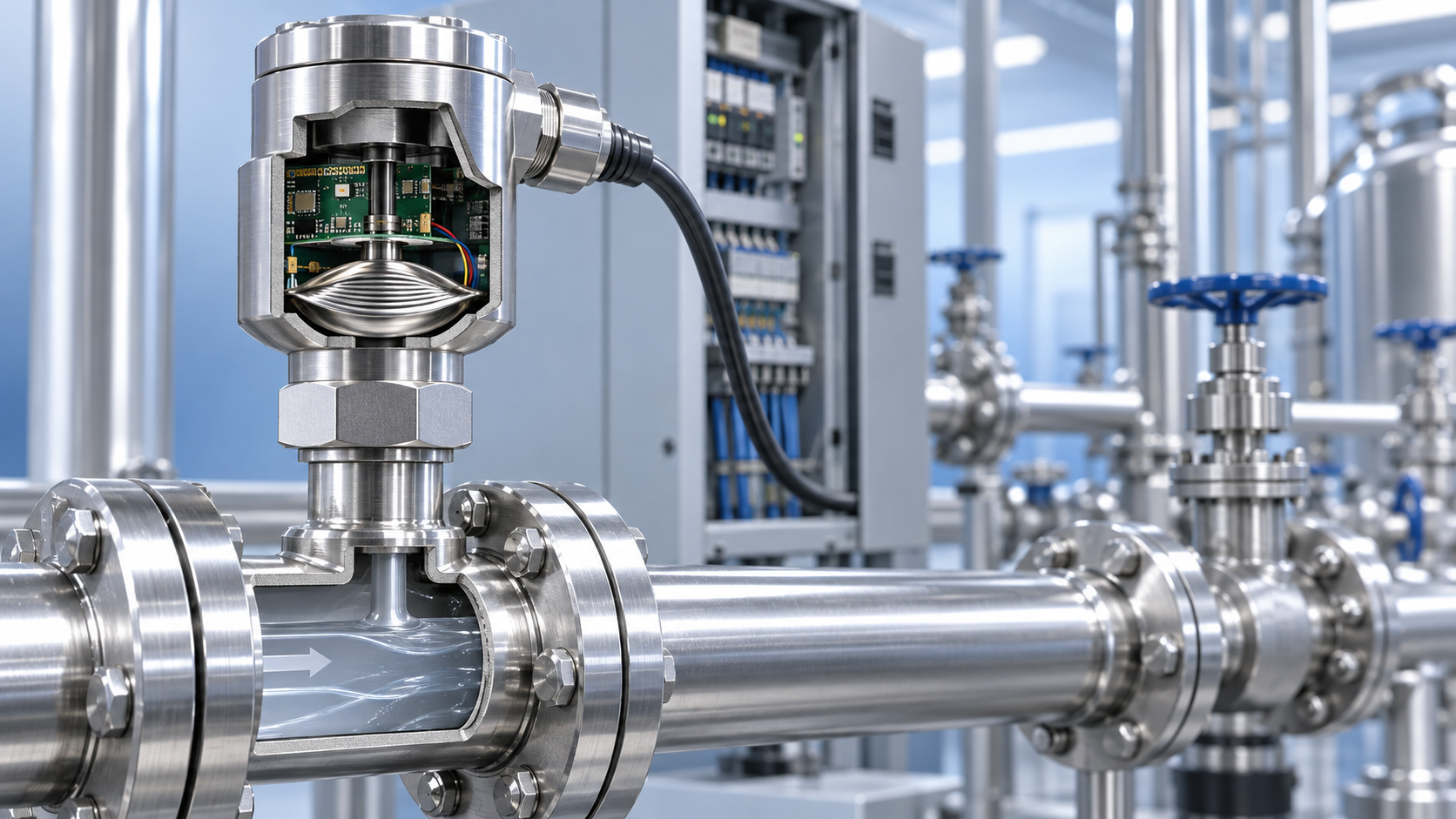
Southchip Technology Launches Its First Optical Sensor, the SC52115, for Wearable Devices How does a pressure sensor convert changes in applied force into usable electrical signals?
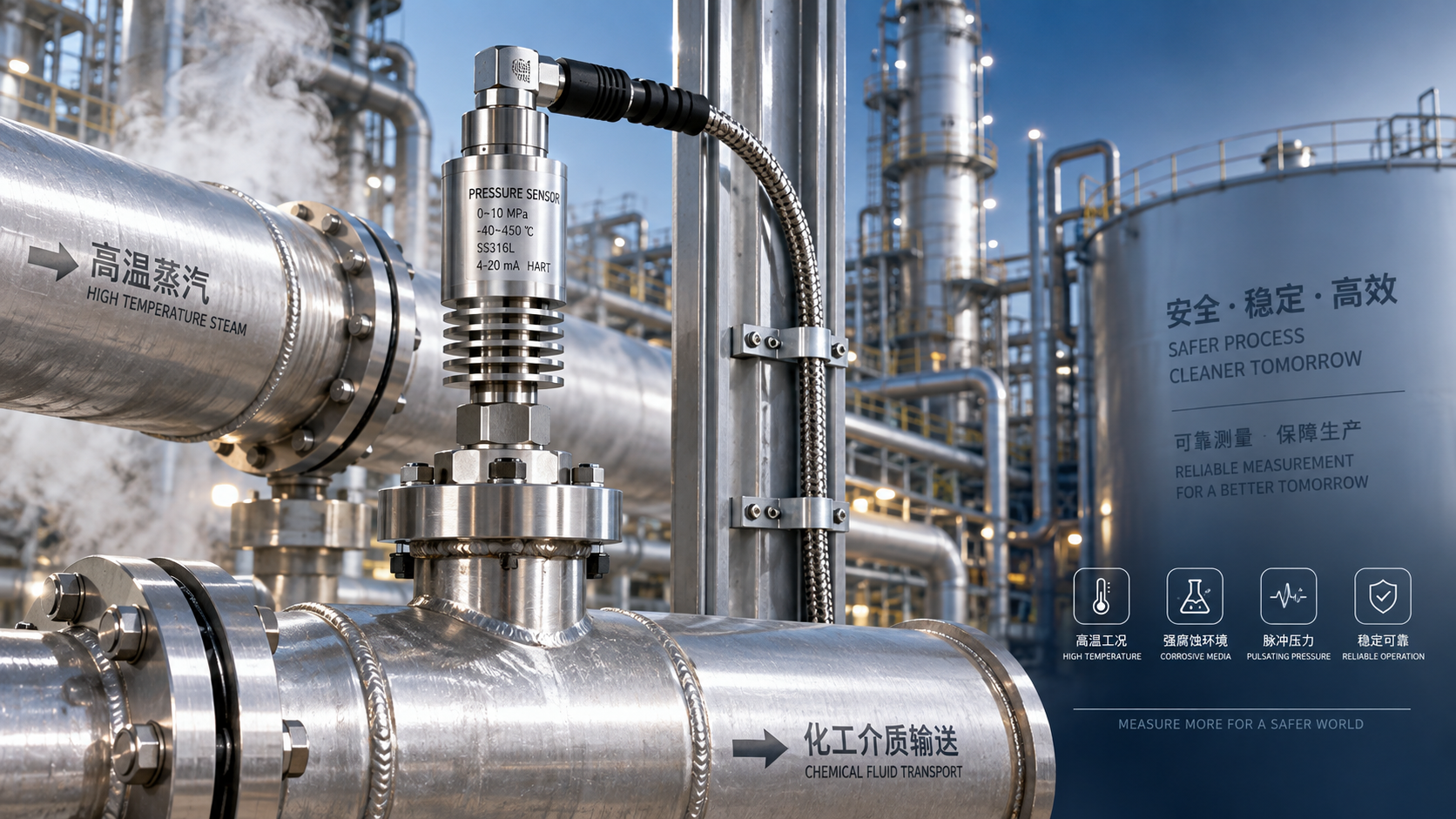
 Which parameters should be considered when selecting pressure sensors for high-temperature, corrosive, and pulsating operating conditions?
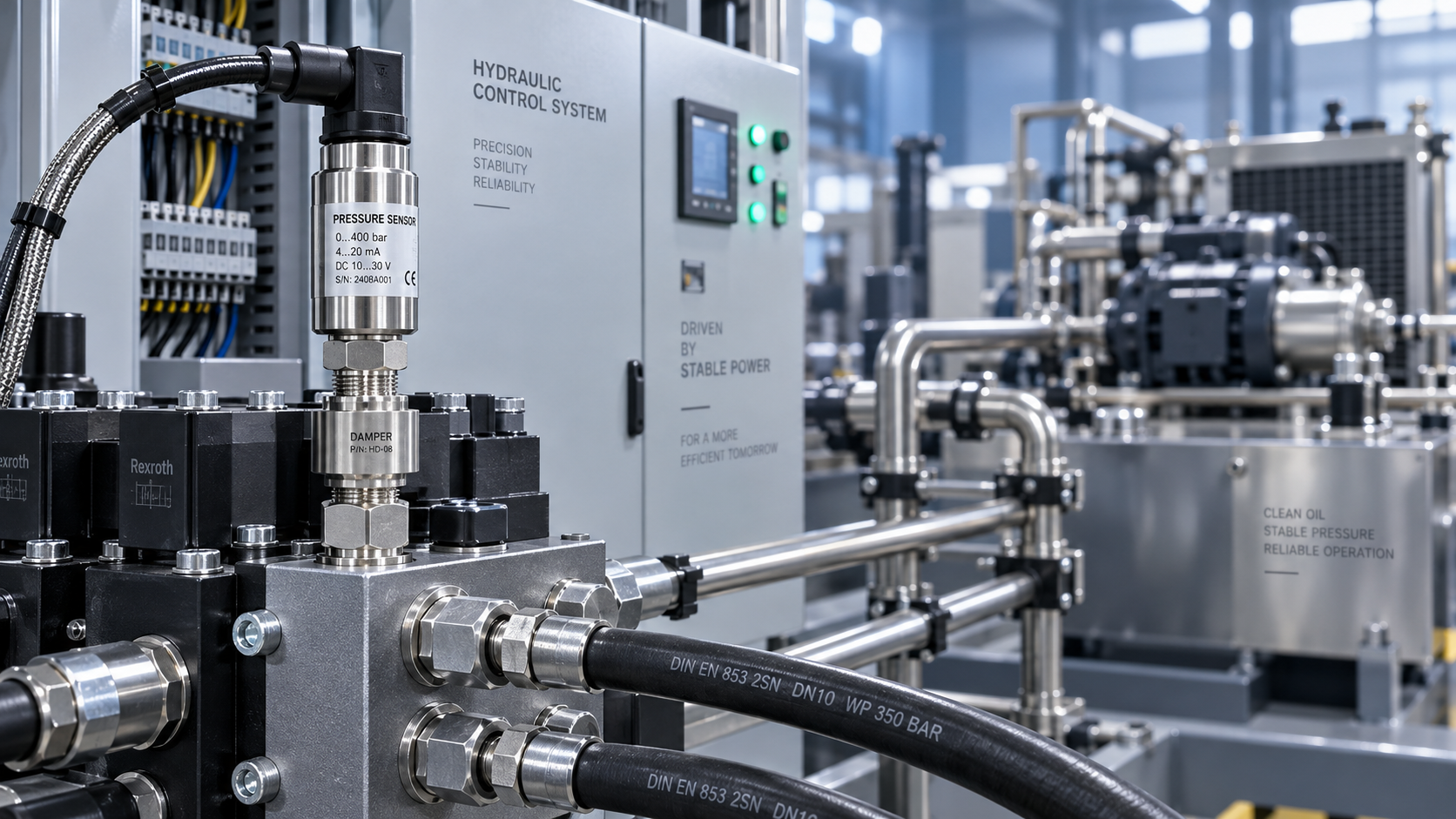
 Hydraulic equipment pressure fluctuates frequently. How can sensors be configured to improve control stability?