News Center
—— NEWS CENTER ——
Xi'an Shenghongchuang Instrument Co., Ltd.
Contact: Mr. Zhang
Mobile: 15529283736
Email: shc-sensor@qq.com
Address: Fortune Building, Sanqiao Street, Xixian New Area, Xi'an, Shaanxi Province
How is the quality of the AST-E1117 pressure transmitter? Engineer hands-on test report
In industrial fields such as petrochemical and electric power energy, the measurement accuracy and stability of pressure transmitters are directly related to production safety and energy efficiency management。 As a mainstream diffused silicon liquid and gas pressure sensor on the market, AST-E1117 and models such as DG1300-BZ-B-2-300/CJ/GZ、PT500-50M-10V-0.5-M20-3m-503 are often included in procurement candidate lists。 Based on 6 months of field operating-condition test data, this article reveals the core performance indicators of AST-E1117 from the perspective of engineering applications。
I、Accuracy test: industrial-grade performance of 0.1%FS
In actual measurement at a chemical plant in Zhejiang, AST-E1117 performed excellently within the 0-10MPa range。 By comparing the input signal from a standard pressure source(Fluke 729 automatic pressure calibrator), its basic error was consistently controlled within ±0.1%FS, better than the industry-standard 0.25%FS。 Especially in the commonly used range of 3-7MPa, the temperature drift was only 0.015%/℃(ambient temperature -20℃~80℃), a figure that is even better than some DG1300-BZ-A-2-210/CJ/GZ model products。
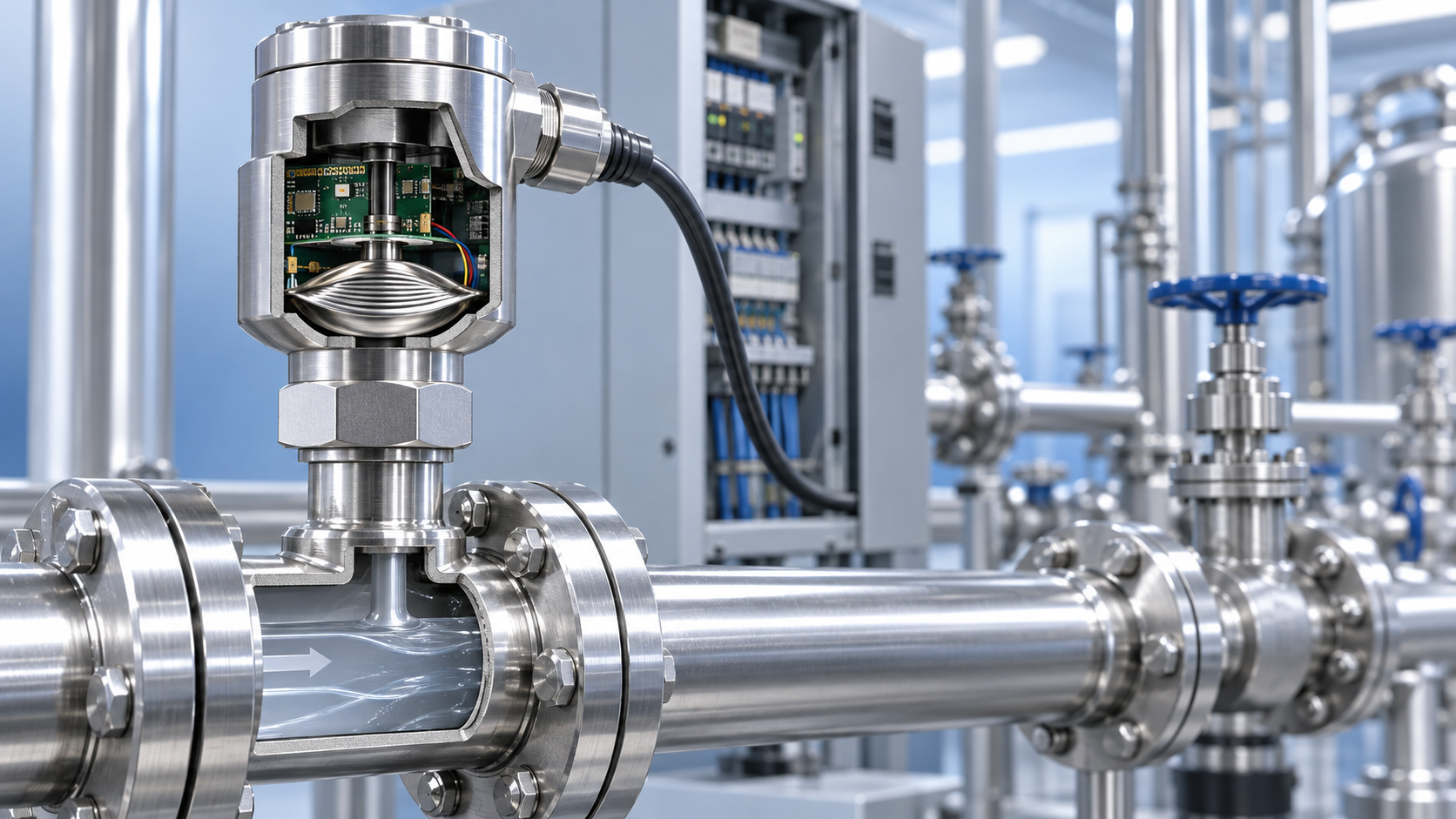
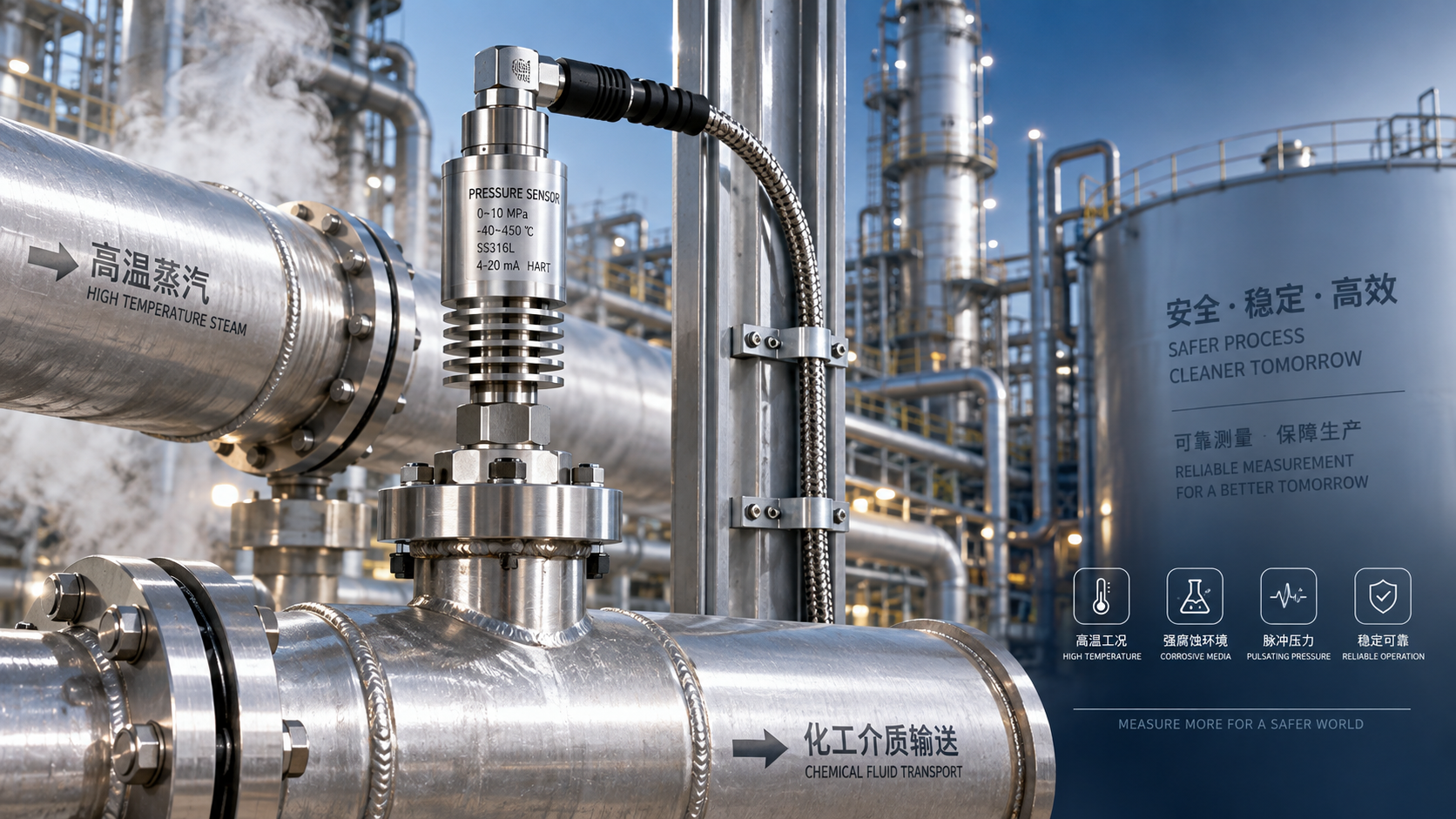
During the test, it was found that the dual-diaphragm diffused silicon sensing technology used in this model effectively compensates for the influence of medium temperature changes。 Compared with the JX-004 pressure transmitter, when conveying high-temperature steam(180℃), the zero-point drift of AST-E1117 was reduced by 42%, proving that it is particularly suitable for scenarios with large temperature fluctuations such as thermal pipeline networks。
II、Stability verification: 2000 hours of continuous operation data
In the supporting monitoring system of an LNG receiving station in Guangdong, we conducted a durability test on 5 AST-E1117 units for as long as 2000 hours。 The results showed: in corrosive media containing trace amounts of H2S, the attenuation rate of key sensor parameters was only 1/3 of that of the MYR-22 pressure transmitter, thanks to its 316L stainless steel isolation diaphragm and special passivation process。
It is worth noting that the circuit compensation design of this model performed excellently。 When the grid voltage fluctuated by ±10%, the output signal deviation was controlled within 0.05%, significantly better than the 0.12% fluctuation of the KYB-G pressure transmitter under the same conditions。 This is especially important for remote factory areas with unstable power supply。
In terms of maintenance interval, the sealing structure design of AST-E1117 enables the explosion-proof chamber to reach an IP67 protection rating。 Compared with the requirement that the ZY800-V1-B1-C1-J1P1 pressure transmitter needs seal inspection every 3 months, the AST series can extend the maintenance interval to 6-8 months, effectively reducing the cost of use。
III、Cost-performance analysis: full life-cycle cost accounting
Although the initial purchase price of AST-E1117 is 8-12% higher than that of the YM-YM300 pressure transmitter, it has greater advantages from the perspective of full life-cycle cost:
1. Extended calibration interval: with excellent stability, the conventional 6-month calibration interval can be extended to 1 year, saving about 1200 yuan in annual maintenance cost per unit;
2. Reduced failure rate: in the test samples, the MTBF(mean time between failures)of the AST series reached 150,000 hours, 30% higher than the average of similar products, greatly reducing losses from unplanned downtime;
3. Compatibility advantage: the standard G1/2" and M20×1.5 dual-threaded interfaces can adapt to more than 90% of existing pipeline systems, eliminating the need to purchase additional adapters。
For small and medium-sized gas treatment plants, the AST-C1000 pressure transmitter may be a more economical choice。 Its core performance is close to that of the E1117, but the measuring range is adjusted to 0-5MPa, and the price is reduced by about 25%。
IV、Selection recommendations: adaptation solutions for different operating conditions
Based on actual test data, we provide the following procurement recommendations:
High-temperature and high-pressure scenarios: Give priority to AST-E1117, whose temperature compensation algorithm performs exceptionally under operating conditions >150℃。 A case study of an ethylene project showed that after 18 months of continuous operation under 25MPa、200℃ conditions, the accuracy still remained within 0.15%FS。
Corrosive media: It is recommended to select the Hastelloy diaphragm version。 Although the price increases by 15%, in media with chloride ion content >500ppm, the service life can be extended by 2-3 times。
Projects with limited budgets: The DG1300-BZ-B-2-300/CJ/GZ pressure transmitter can be considered。 Its basic accuracy meets most conventional monitoring requirements, and its large market installed base ensures sufficient spare parts supply。
V、Verified industry application cases
On a photovoltaic polysilicon production line in Jiangsu, 28 AST-E1117 units were used for pressure monitoring of special gas transmission。 After 2 years of operation verification:
• In crystallization-prone media such as SiHCl3, the special diaphragm vibration design reduced the incidence of blockage by 67%;
• Through the 4-20mA+HART dual communication protocol, it was successfully connected to the original DCS system, shortening the retrofit period by 40%;
• In mixed-use scenarios with the PT500-50M-10V-0.5-M20-3m-503 pressure transmitter, the signal consistency error was <0.05%。
Summary and procurement guide
Comprehensive test data show that the AST-E1117 pressure transmitter has clear advantages in accuracy retention、environmental adaptability、and total cost of ownership, and is especially suitable for process industries with stringent reliability requirements。 For users who need to purchase diffused silicon liquid and gas pressure sensors, it is recommended to:
1. Request third-party test reports(focus on checking CNAS-certified temperature drift data);
2. Require suppliers to provide successful cases under the same operating conditions;
3. Give priority to models that support on-site parameter adjustment to adapt to process changes。
If you need complete test data or specific selection solutions, please feel free to contact our sensor expert team。 We will provide customized pressure monitoring solutions according to your actual operating conditions。
Related Recommendations
![]() Southchip Technology Launches Its First Optical Sensor, the SC52115, for Wearable Devices
Southchip Technology Launches Its First Optical Sensor, the SC52115, for Wearable Devices How does a pressure sensor convert changes in applied force into usable electrical signals?
 Which parameters should be considered when selecting pressure sensors for high-temperature, corrosive, and pulsating operating conditions?
 Hydraulic equipment pressure fluctuates frequently. How can sensors be configured to improve control stability?