News Center
—— NEWS CENTER ——
Xi'an Shenghongchuang Instrument Co., Ltd.
Contact: Mr. Zhang
Mobile: 15529283736
Email: shc-sensor@qq.com
Address: Fortune Building, Sanqiao Street, Xixian New Area, Xi'an, Shaanxi Province
As a core device in industrial flow control, the calibration accuracy of the AP-AP131 pressure transmitter directly affects production safety and efficiency. This article provides a detailed analysis of the calibration process for the diffused silicon Hesmann pressure sensor, helping business decision-makers master key parameter adjustment methods, ensure accurate and reliable measurement data, and extend equipment service life.
I. The Importance of Pressure Transmitter Calibration
In industrial automation control systems, the measurement accuracy of pressure transmitters is directly related to the stability of the production process and product quality. The AP-AP131 pressure transmitter adopts advanced diffused silicon Hesmann pressure sensing technology, featuring high sensitivity and high stability. However, even the highest-quality pressure transmitters may experience issues such as zero drift or range changes during use, so regular calibration is a necessary measure to ensure measurement accuracy.
II. Detailed Explanation of the AP-AP131 Pressure Transmitter Calibration Process
The calibration process mainly includes the following key steps: first is preparation work, ensuring that the calibration environment meets requirements, including stable environmental parameters such as temperature and humidity; second is equipment connection, correctly connecting the pressure transmitter to the standard pressure source and testing instruments; then comes zero point and full-scale adjustment, which is the core part of calibration; finally, linearity inspection is performed to ensure measurement accuracy across the entire range.
1. Zero Point and Full-Scale Adjustment
For the AP-AP131 pressure transmitter, it is recommended to use a standard pressure source with an accuracy at least 4 times higher than that of the device under test for calibration. When adjusting the zero point, it should be done under no-pressure conditions; when adjusting the full scale, the rated maximum pressure needs to be applied. Similarly, Domestic Flat Diaphragm Pressure Transmitter HDP703 Compact Threaded Pressure Sensor also adopts a design with adjustable zero point and full scale, making on-site calibration convenient.
2. Temperature Compensation Calibration
Diffused silicon Hesmann pressure sensors are relatively sensitive to temperature changes, so temperature compensation calibration is particularly important. The AP-AP131 pressure transmitter provides wide-temperature-range compensation and can maintain stable measurement accuracy at ambient temperatures from -20~85℃.
III. Common Problems and Solutions During the Calibration Process
During actual calibration, problems such as unstable output signals and zero drift are often encountered. For these issues, first check whether the power supply is stable; second, confirm whether there is leakage at the pressure connection; finally, consider whether the sensor itself is damaged. The LDN-LDN500 pressure transmitter, which uses the same sensing technology as the AP-AP131, also requires attention to similar issues.
IV. Recommended Calibration Intervals
Depending on different industrial application environments, the recommended calibration interval also varies: in general industrial environments, calibration once a year is recommended; under harsh working conditions, calibration once every six months is recommended; for critical process flows, calibration should be carried out quarterly. Similar products such as the PT-PT3100 pressure transmitter should also follow similar calibration intervals.
V. Why Choose Our Calibration Services
As a professional high-tech enterprise, Xi'an Shenghongchuang Instrument Co., Ltd. has comprehensive calibration equipment and an experienced technical team. Our calibration laboratory is equipped with a primary standard pressure source, ensuring calibration accuracy of up to 0.05%FS. Whether for the AP-AP131 or other models of pressure transmitters, we can provide professional calibration services.
VI. Frequently Asked Questions
Q: Does the pressure transmitter need regular inspection after calibration?
A: Even after calibration, it is still recommended to conduct a basic inspection once a month, including zero point inspection and a simple pressure test, to ensure the equipment remains in optimal working condition. This recommendation also applies to products such as the DBS-DBS316 pressure transmitter.
Q: Can pressure transmitter calibration be performed independently?
A: For applications with low technical requirements, users can perform simple calibration according to the manual. However, for applications with high accuracy requirements, it is recommended that professionals use standard equipment for calibration. The calibration of the PA-PA3010 pressure transmitter also follows this principle.
VII. Contact Us
If you would like to learn more about pressure transmitter calibration or other technical issues, please feel free to contact Xi'an Shenghongchuang Instrument Co., Ltd. at any time. We provide one-stop services from model selection consultation to installation and commissioning, as well as regular calibration, ensuring that your measurement system always maintains optimal performance.
Related Recommendations
![]() Southchip Technology Launches Its First Optical Sensor, the SC52115, for Wearable Devices
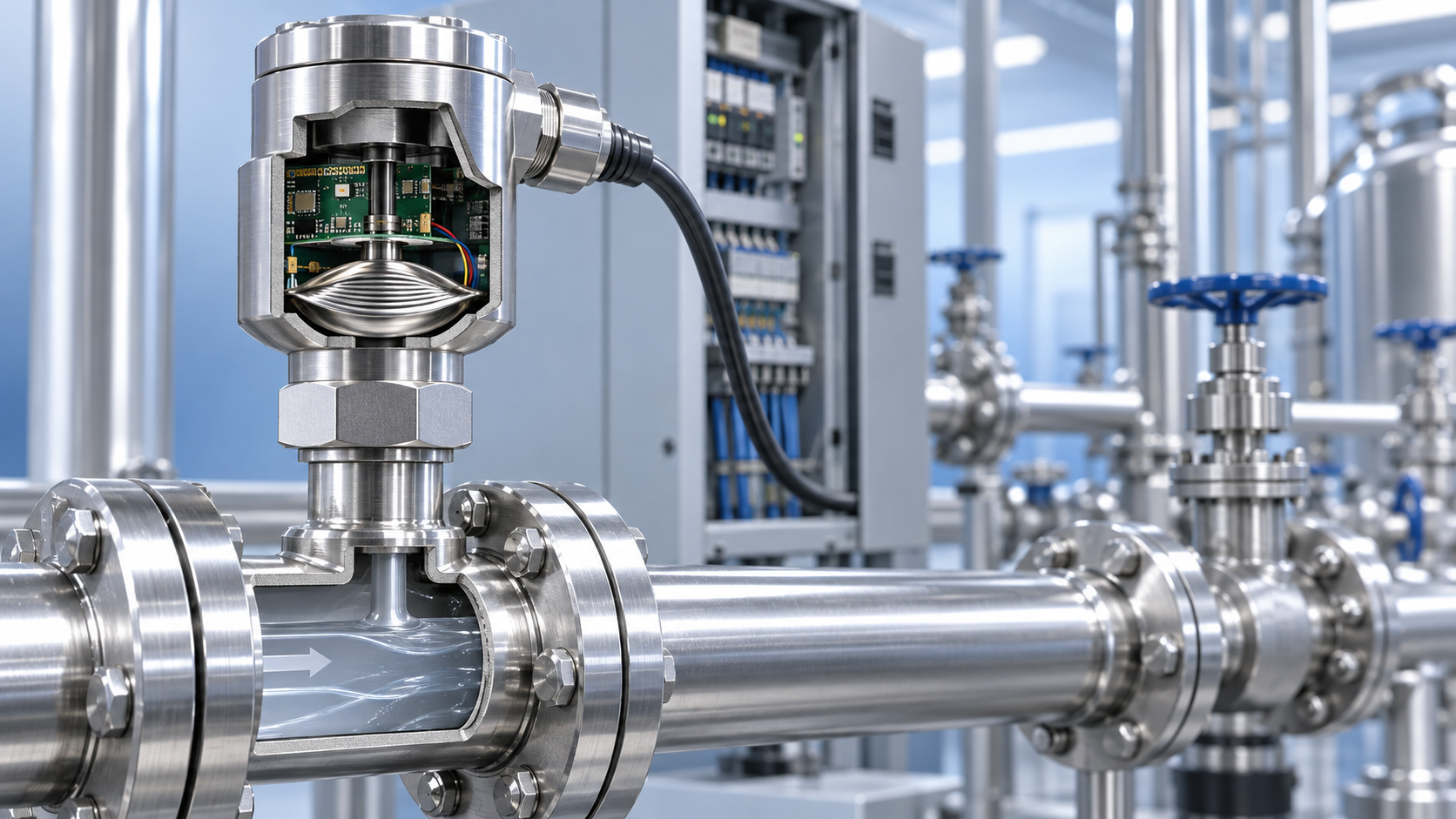
Southchip Technology Launches Its First Optical Sensor, the SC52115, for Wearable Devices How does a pressure sensor convert changes in applied force into usable electrical signals?
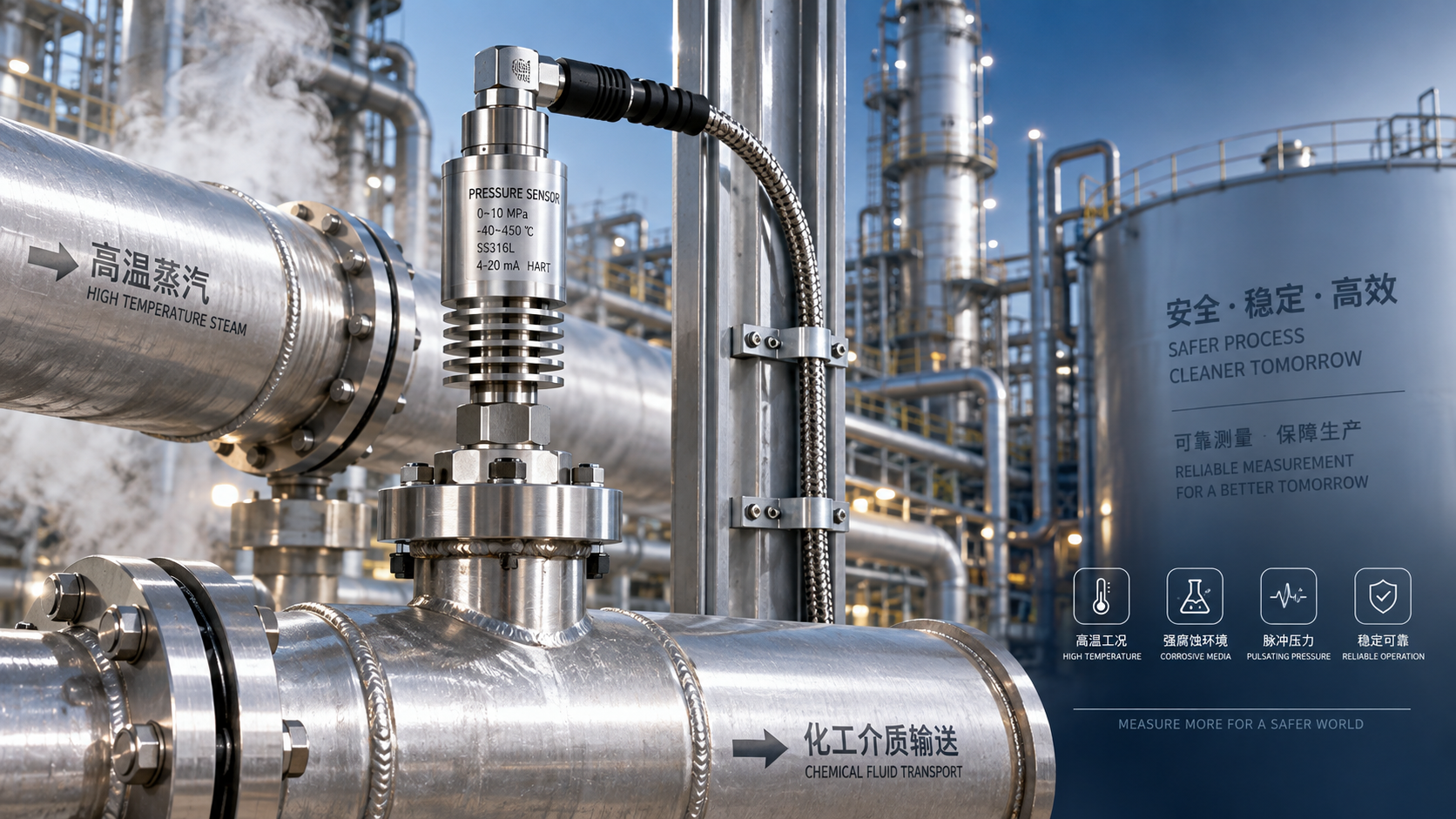
 Which parameters should be considered when selecting pressure sensors for high-temperature, corrosive, and pulsating operating conditions?
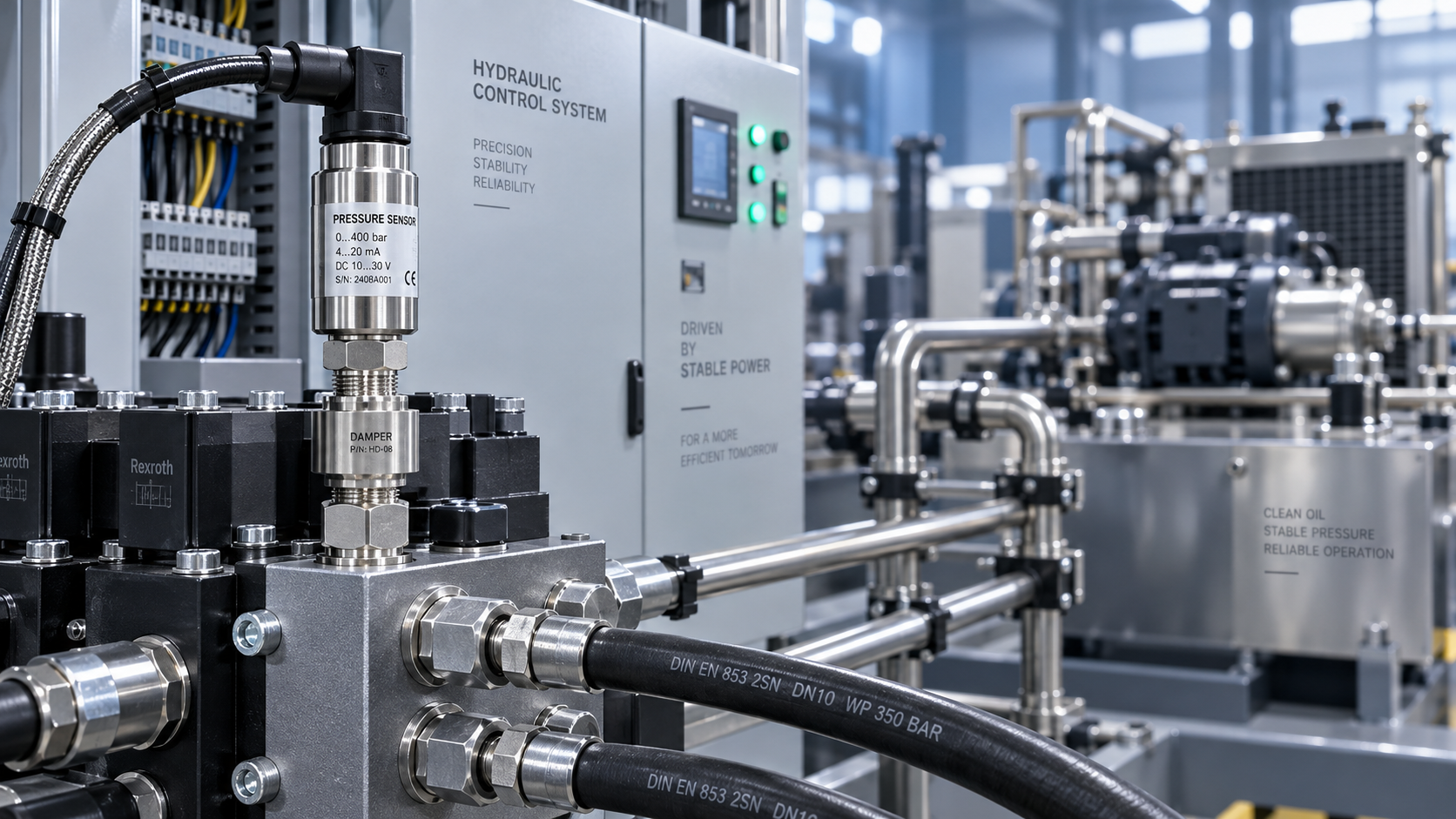
 Hydraulic equipment pressure fluctuates frequently. How can sensors be configured to improve control stability?