



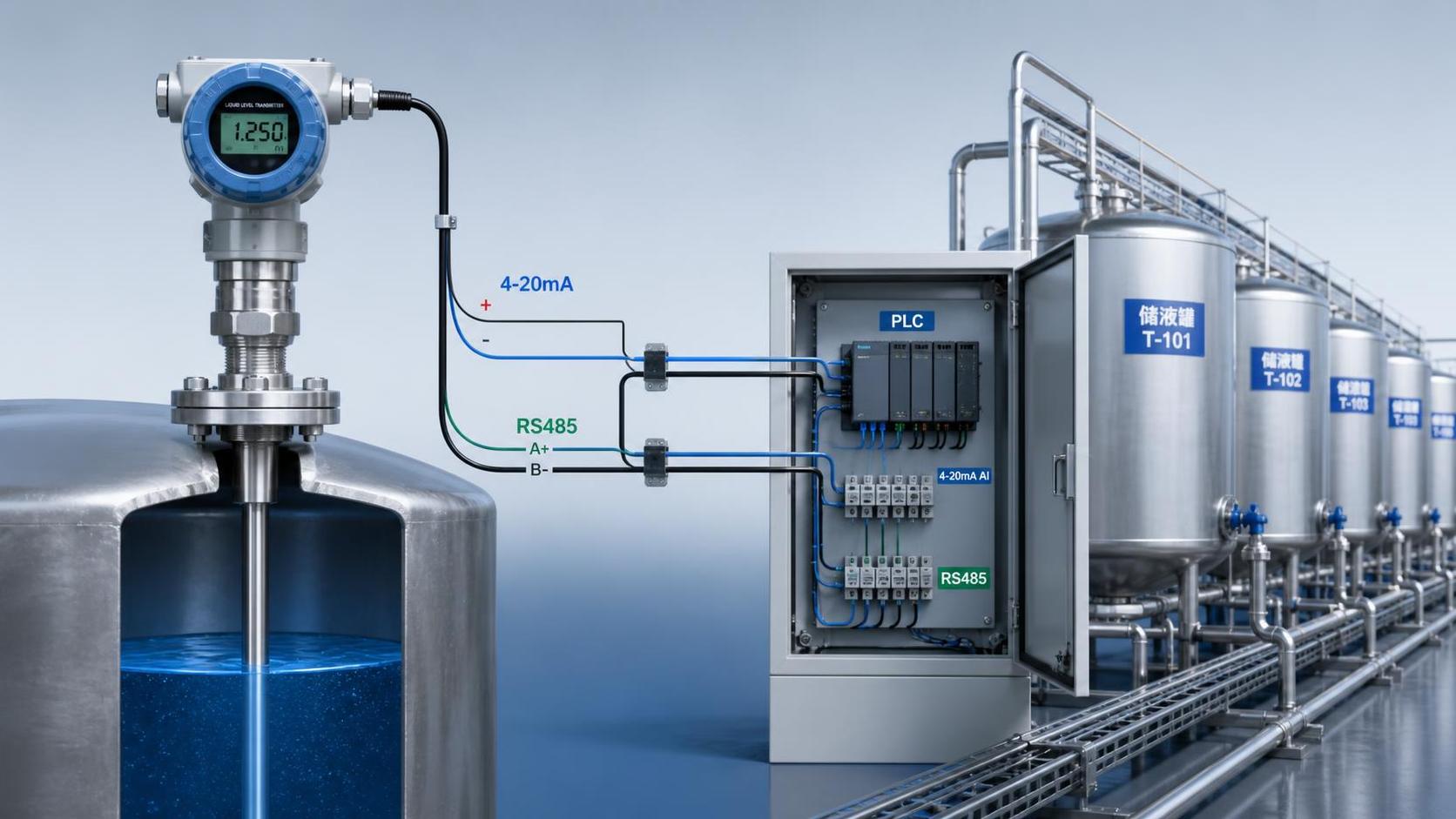
 Should You Choose 4-20mA or RS485 for a Level Transmitter?Which output should you choose for a level transmitter: 4-20mA or RS485? This article compares single-point control, multi-point networking, interference resistance, wiring costs, PLC compatibility, and digital monitoring to help you quickly match your level measurement conditions and reduce selection and retrofit risks.
- Is the output signal of the Shenghongchuang 0-5V liquid level sensor stable?Is the output signal of the Shenghongchuang 0-5V liquid level sensor stable? This article analyzes how sensing elements, power supply, wiring, grounding, and on-site interference affect signal stability, and compares 0-5V, 4-20mA, and RS485 selection options to help optimize your liquid level monitoring and control configuration.
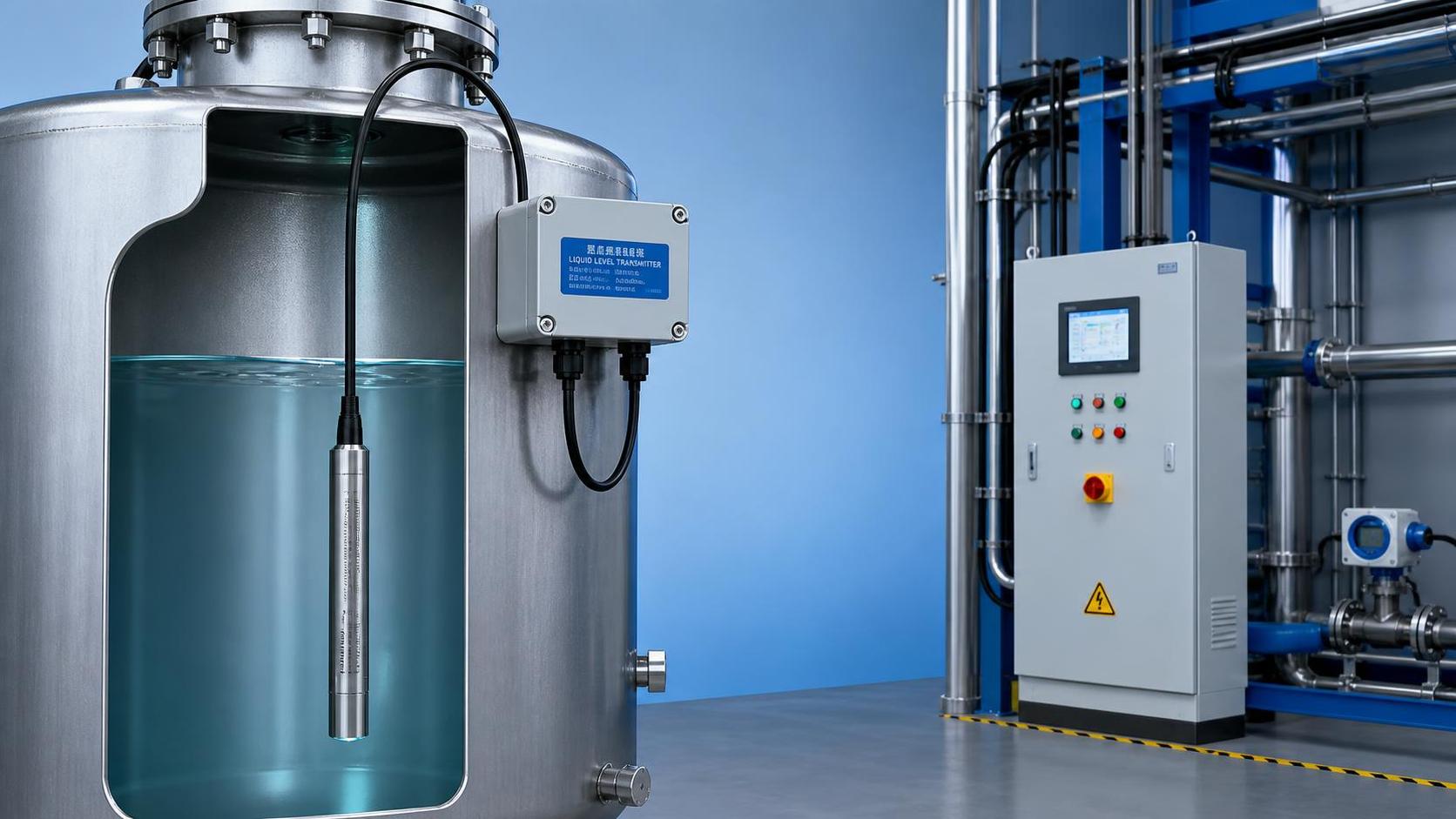
- Is the Shenghongchuang Remote Level Sensor Difficult to Install?Is the Shenghongchuang Remote Level Sensor Difficult to Install? For standard water tank and storage tank projects, it can be quickly commissioned by confirming the measurement range, securing the probe, following proper wiring practices, and performing three-point calibration. For corrosive media, wastewater, high-interference, and explosion-proof conditions, we provide model selection, material matching, signal integration, and installation guidance to reduce rework and improve the stability of level monitoring.
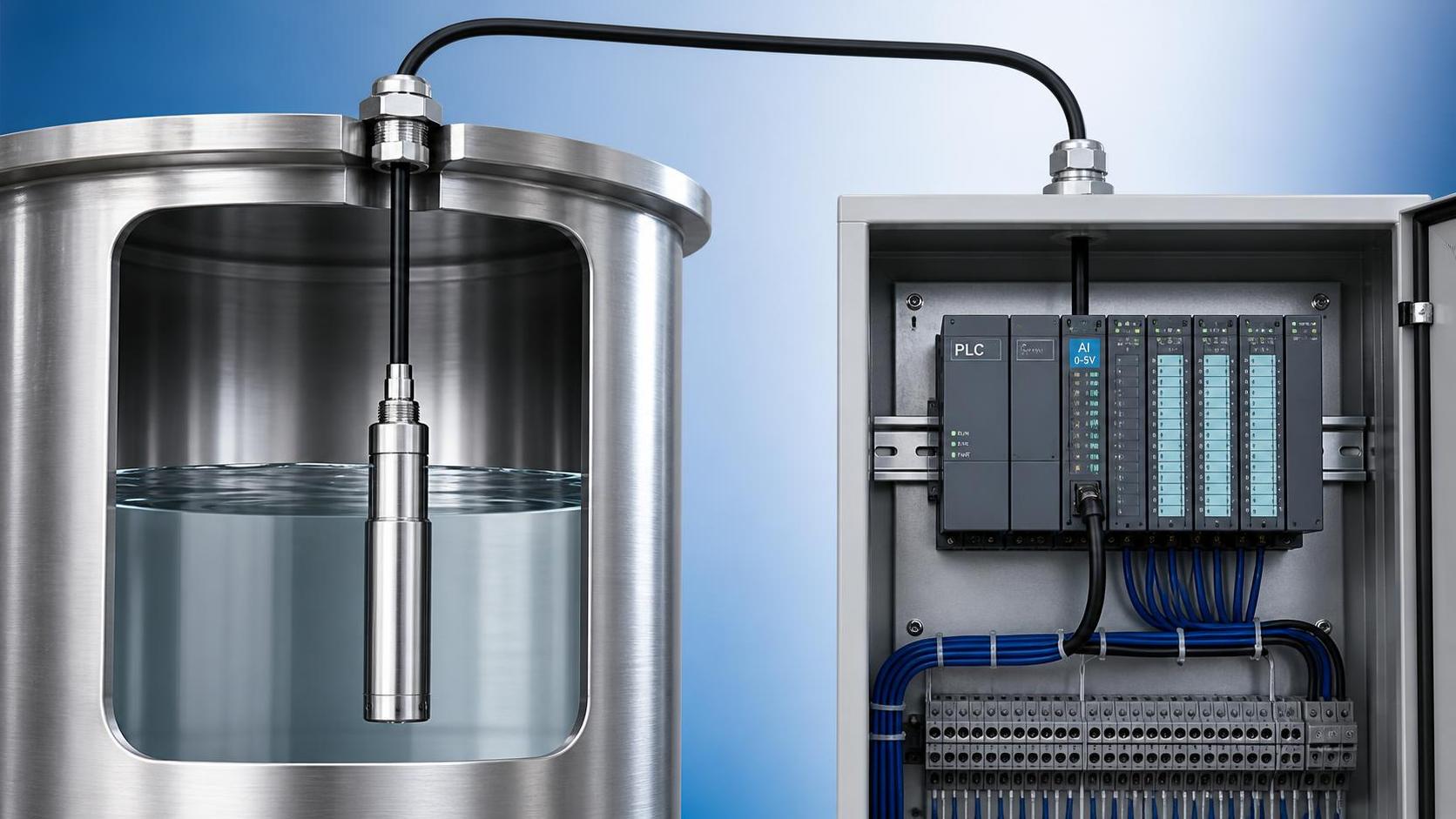
 What should be confirmed before calibrating a 0-5V liquid level sensor?How do you calibrate a 0-5V liquid level sensor? Before calibration, first confirm the range, power supply, wiring, and medium operating conditions, and troubleshoot issues such as whether the 0-10V liquid level sensor output signal is stable, helping enterprises improve efficiency in selection, commissioning, and maintenance while reducing rework and downtime.
- What is most often overlooked when selecting a medical liquid level sensor?What should be considered when selecting a medical liquid level sensor? This article focuses on how to select an acid/alkali liquid level sensor and how to calibrate a 0-5V liquid level sensor, analyzing media compatibility, output stability, and safety standards to help procurement teams efficiently avoid pitfalls and quickly complete solution matching.
- Where are the common installation mistakes for intelligent digital display liquid level sensors?A detailed installation guide for intelligent digital display liquid level sensors, covering common installation mistakes, how to calibrate a 0-5V liquid level sensor, how to select an acid and alkali liquid level sensor, and how to maintain a water supply liquid level sensor, helping enterprises reduce errors, lower rework, and quickly achieve stable delivery.
- Why does the output of a 0-10V level sensor fluctuate easily?Is the output signal of a 0-10V level sensor stable? This article explains in detail the causes of fluctuation, how to maintain a water supply level sensor, how to calibrate a 0-5V level sensor, and provides selection and handling recommendations for acid-alkali and water conservancy scenarios, helping procurement and O&M teams quickly improve system stability.
- Which points should be checked first during maintenance of a water supply liquid level sensor?How should a water supply liquid level sensor be maintained? This article first explains 6 key inspection points: installation, power supply, signal, structure, sealing, and calibration, and analyzes how to calibrate a 0-5V liquid level sensor to help quickly locate faults and reduce the risk of incorrect part replacement and downtime.


{item.title}
{item.description}