


News Center
—— NEWS CENTER ——
Xi'an Shenghongchuang Instrument Co., Ltd.
Contact: Mr. Zhang
Mobile: 15529283736
Email: shc-sensor@qq.com
Address: Fortune Building, Sanqiao Street, Xixian New Area, Xi'an, Shaanxi Province
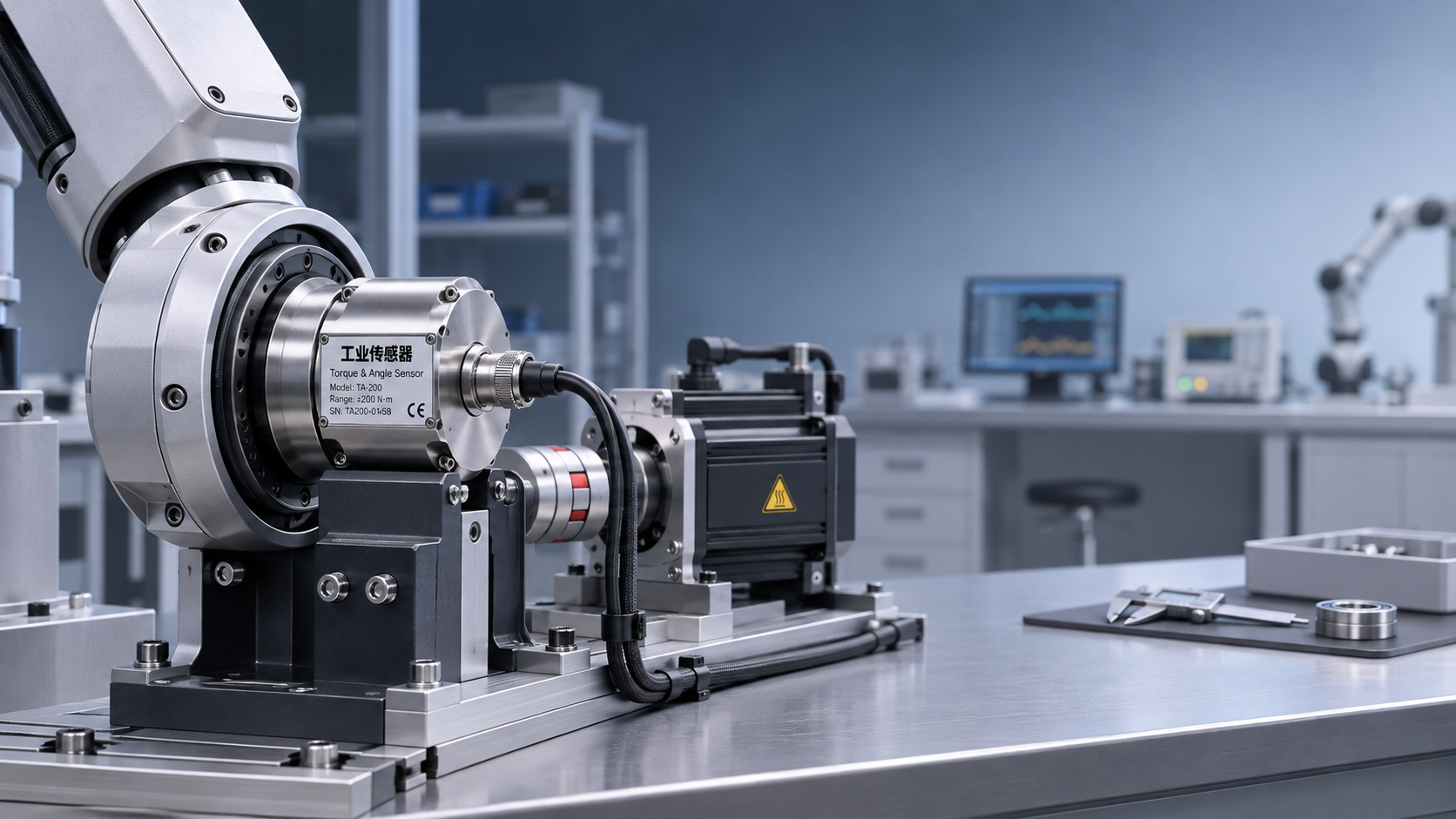
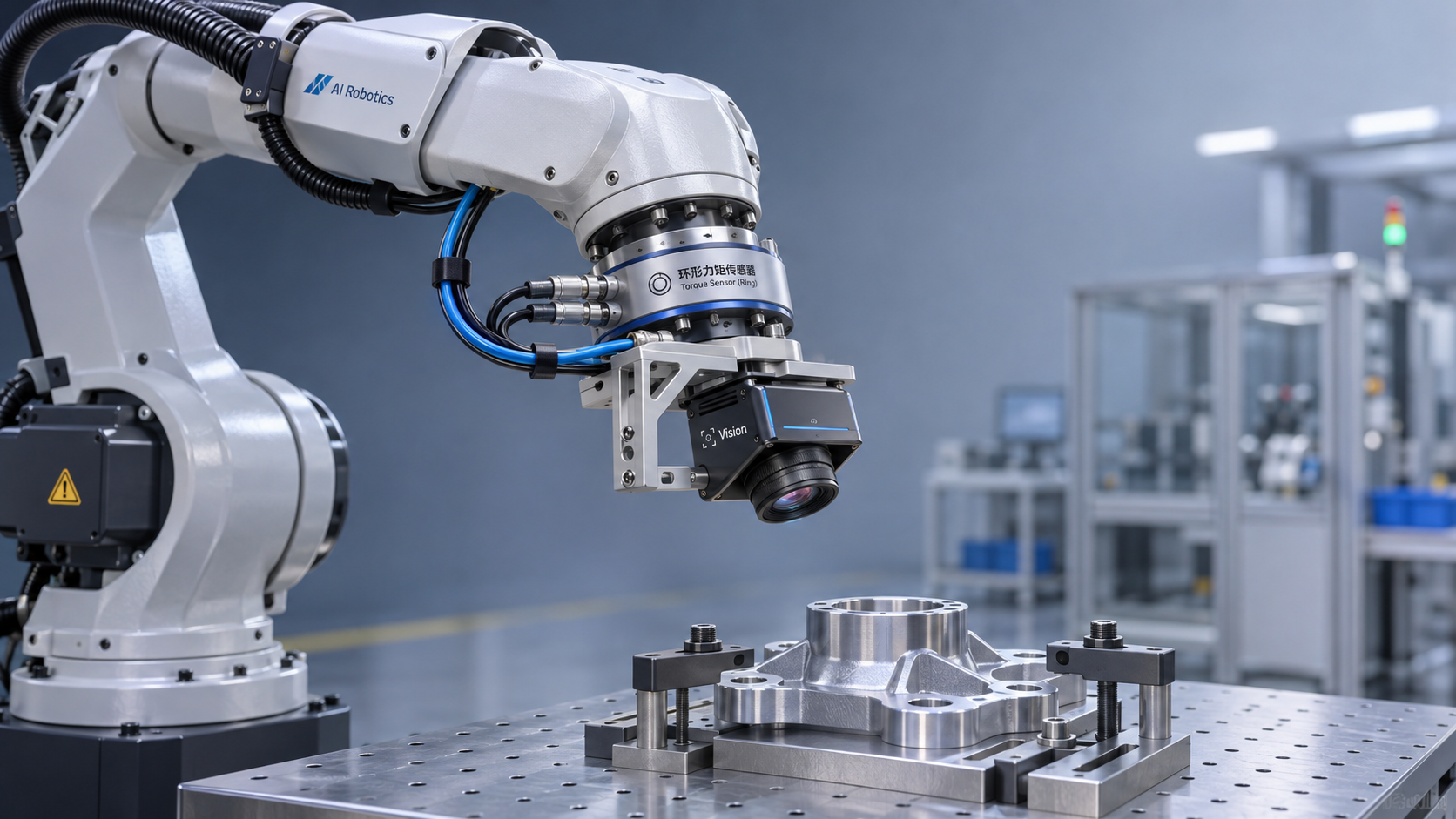
2026年11月11日, South Korea’s Ministry of Economy and Finance said it would add core components, including sensors, actuators, and batteries for humanoid robots, to the existing 15 flagship projects for building a “super-innovative economy.” The move aims to increase budget support for core components in emerging industries, advance related technology development and field demonstrations, and promote the upgrading of the sensor and humanoid robot industry chains.
This adjustment focuses on specific components. For the industries concerned, including sensors, actuators, and batteries in the scope of support means that future policy developments will need to be assessed not only in terms of technology research and development, but also by whether the results can be validated through field demonstrations. However, expanding the support list is not the same as determining how the budget will actually be allocated or when projects will begin. The impact on industry will need to be assessed in light of subsequent arrangements.
From Component Development to Field Demonstrations
The additions cover different categories, including sensors, actuators, and batteries for humanoid robots. These components serve different functions in applications: sensors are involved in information sensing, actuators enable movement, and batteries provide power to equipment. Including these components in the scope of support reflects a policy aim to cover multiple technology segments across the related industry chains.
Notably, the support targets both technology development and field demonstrations. The former focuses on R&D of the components themselves, while the latter offers an opportunity to observe how the technologies perform under actual operating conditions. For component developers, if subsequent projects reach the demonstration stage, how well products match application requirements and whether different components can work together may be just as important as progress in R&D.
However, field demonstrations are not the same as large-scale deployment. The specific demonstration scenarios, participation arrangements, and evaluation requirements will depend on subsequent plans. Even if a technology enters the demonstration stage, its commercial application and procurement demand will still depend on its actual performance and other relevant conditions. For now, the more prudent interpretation is that the policy aims to support technology development and application testing, while specific results will take time to materialize.
Industry Chain Impact Depends on How Support Is Implemented
In terms of the potential impact, the most directly affected areas are R&D and demonstrations for the core components included in the scope. If subsequent budgets are allocated to relevant projects, component development, testing, and coordination with application scenarios may receive greater support. For the humanoid robot industry chain, these changes could also affect collaboration requirements between complete systems and components.
Priorities vary across different segments. Component developers need to consider how the scope of support aligns with their own technology focus. Parties involved in humanoid robot applications may be more concerned with component compatibility within equipment and performance in demonstrations. Since the information announced so far does not specify budget allocations by category or list specific projects, these impacts remain an analysis based on policy objectives and should not be taken as evidence that orders have been secured or production capacity has changed.
In the sensor sector, it is also important to distinguish between an expanded scope of support and benefits for specific products. Sensor types and application requirements vary, and the information announced so far does not identify specific recipients of support. It would therefore be premature to assume that all related products will receive equal support. For actuators and batteries for humanoid robots, the allocation of funding and demonstration opportunities to specific technology areas will likewise depend on subsequent project arrangements.
Going forward, it will be important to monitor budget plans, project implementation methods, and field demonstration progress announced by the Ministry of Economy and Finance and other relevant parties. In particular, how recipients of support are selected and how R&D is linked to demonstrations will directly affect whether this adjustment translates from a support list into actual development activities across the industry chain.
Related Recommendations
 South Korea Adds Core Components Such as Sensors to Its “Super-Innovation Economy” Support List
 Float Level Sensor Market Outlook to 2035: Growth Driven by Water Infrastructure and Automation
 The Global Race in Quantum Precision Measurement Heats Up as Application Development Enters a Critical Stage
 Robotics Sensor Market Outlook 2035: Growth Driven by AI and Autonomous Systems