


News Center
—— NEWS CENTER ——
Xi'an Shenghongchuang Instrument Co., Ltd.
Contact: Mr. Zhang
Mobile: 15529283736
Email: shc-sensor@qq.com
Address: Fortune Building, Sanqiao Street, Xixian New Area, Xi'an, Shaanxi Province
According to the latest global float level sensor market report released by IndexBox, upgrades to water infrastructure and rising demand for industrial automation are supporting the market’s long-term growth. The report does not specify when the event occurred, and the input does not mention any specific changes to policies, regulations, or standards. For sensor manufacturers, buyers, and equipment integrators, the changes in demand, purchasing behavior, and supply structures reflected in the report merit attention in light of the technical requirements and delivery conditions of actual projects.
Under the baseline scenario, the market index is projected to reach 152 by 2035
The report indicates that as the market enters 2026, the demand fundamentals for float level sensors are broader, purchasing behavior is more measured, and supply structures are more diversified regionally.
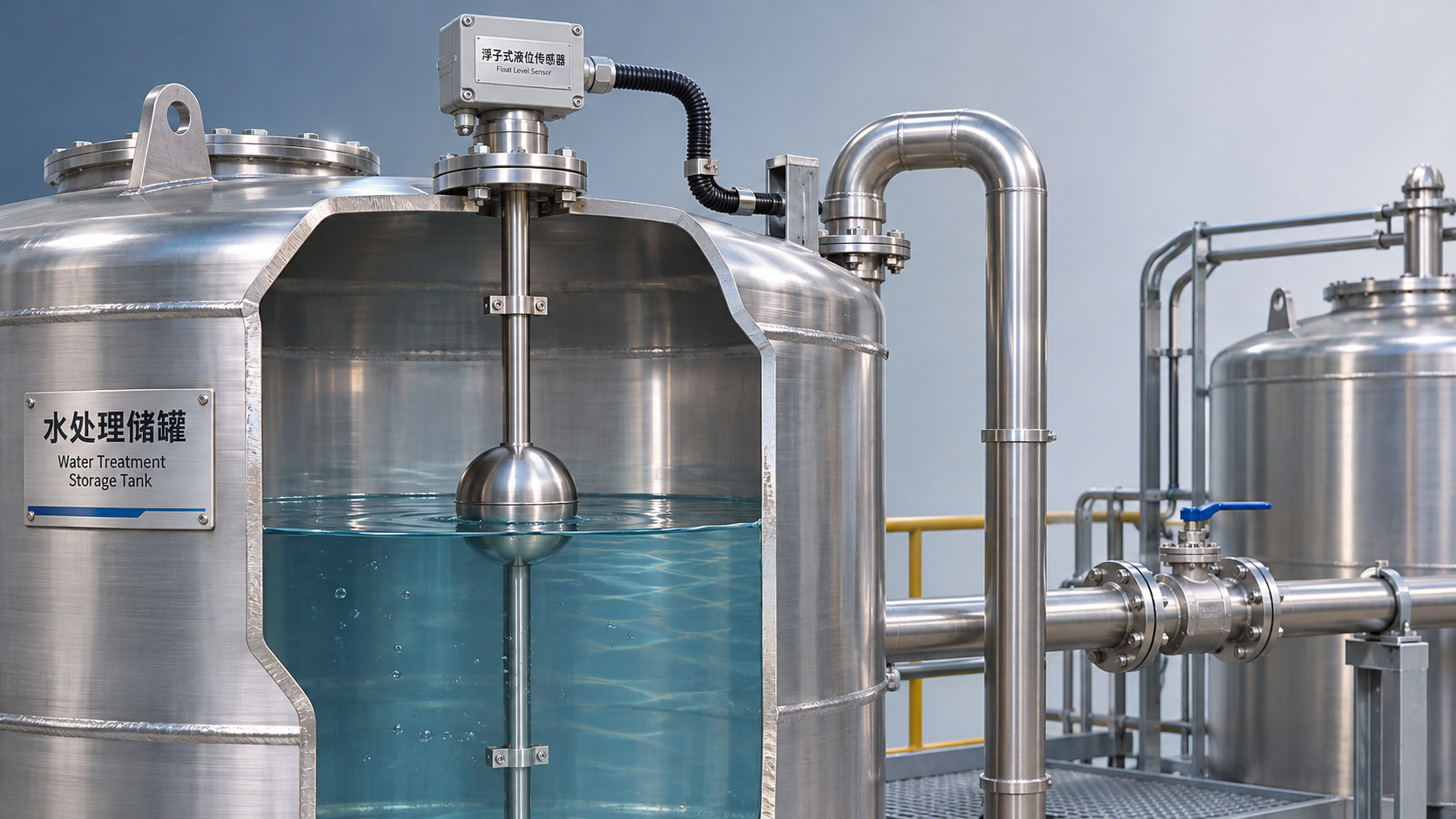
Under the baseline scenario, the global market is projected to grow at a compound annual growth rate of 4.2% from 2026 to 2035. With 2025 set at 100, the market index is projected to reach approximately 152 by 2035. Upgrades to water infrastructure and rising demand for industrial automation are the main supporting factors. The products covered in the report include sensors for storage tanks, sumps, and process vessels, as well as standard and custom transmitters.
How could changes in demand and supply affect project stages?
Manufacturing and selection: Application differences affect technical coordination
Analysis suggests that applications such as storage tanks, sumps, and process vessels may give manufacturers and equipment integrators differing requirements for product selection, technical documentation, and coordination of customized solutions. Companies can verify operating conditions and product specifications against the requirements of each project and confirm which technical documents are needed. The input does not specify any new uniform technical standards or certification requirements.
Procurement and supply: Regional configurations affect delivery assessments
The report notes that purchasing behavior is becoming more measured and that supply structures are becoming more diversified regionally. This suggests that buyers and supply chain service providers may need to compare supplier capabilities, lead times, and technical support conditions in greater detail. The impact depends on the specific procurement arrangements, and the report does not establish that any trade rules or delivery requirements have changed.
Integration and delivery: Standard and custom products require separate verification
From an industry perspective, standard and custom transmitters may involve different levels of specification confirmation and delivery coordination. During project preparation, equipment integrators and buyers can verify product configurations, technical documentation, and delivery arrangements, avoiding the assumption that a market forecast constitutes a supply commitment for a specific project.
Review procurement documents and supply capabilities
Verify application conditions and product specifications
The analysis recommends that companies identify the selection criteria for sensors and transmitters based on the specific applications of storage tanks, sumps, or process vessels, and verify the technical descriptions in procurement documents. For custom products, companies can confirm in advance the arrangements for discussing requirements and preparing technical documentation.
Review suppliers and delivery plans
Given the report’s description of greater regional diversification in supply structures, buyers can assess supplier qualifications, lead times, and technical support capabilities in light of their projects, and compare feasible options according to their actual procurement plans. This assessment is a business recommendation; the report summary does not introduce any new mandatory procurement requirements.
Confirm certification and documentation requirements applicable to the project
The analysis suggests that before requesting quotations, bidding, or delivery, companies can check the certification, test report, and technical documentation requirements applicable to the specific project documents. The input provides no information about new certification or compliance rules; the applicable requirements should still be determined by the project documents and relevant official information.
Market forecasts do not mean that rules have been implemented
This item is best understood as a market outlook under a baseline scenario, rather than a signal that policies, standards, or trade rules have taken effect. The 4.2% compound annual growth rate and the market index for 2035 are both report forecasts. Actual demand, procurement arrangements, and supply performance will need to be assessed through subsequent market feedback.
If policy details, tender documents, certification implementation guidance, or changes in trade practices related to relevant projects emerge later, companies can assess their specific effects on product selection, procurement, and delivery based on official documents. The information currently provided is insufficient to determine whether any such changes have occurred.
Turn the long-term outlook into a basis for project reviews
The report provides a market reference for understanding demand related to water infrastructure and industrial automation, and also highlights the need for companies to monitor changes in purchasing behavior and supply configurations. At this stage, the prudent approach is to use the forecast as a planning reference and verify business decisions against the technical documents, supplier capabilities, and delivery conditions of specific projects.
Report basis and areas for further verification
This article was generated based on the news title, event date, and event summary provided by the user. No specific link to an official source was included in the input, so further verification will be necessary. Relevant sources to monitor include the original report, official announcements, and project tender documents, as well as any policy details, certification implementation guidance, changes in trade practices, and industry feedback that may indicate developments affecting actual business operations.
Related Recommendations
 Float Level Sensor Market Outlook to 2035: Growth Driven by Water Infrastructure and Automation
 The Global Race in Quantum Precision Measurement Heats Up as Application Development Enters a Critical Stage
 Robotics Sensor Market Outlook 2035: Growth Driven by AI and Autonomous Systems
 2026 Intelligent Sensor Innovation and Development Conference Held in Wuxi; 12 Projects Signed