News Center
—— NEWS CENTER ——
Xi'an Shenghongchuang Instrument Co., Ltd.
Contact: Mr. Zhang
Mobile: 15529283736
Email: shc-sensor@qq.com
Address: Fortune Building, Sanqiao Street, Xixian New Area, Xi'an, Shaanxi Province
Core Advantages, Disadvantages, and Key Selection Points of Viscous Liquid Pressure Transmitters
The advantages of viscous liquid pressure transmitters are anti-clogging, corrosion resistance, and high stability, making them suitable for measuring high-viscosity liquids, liquids that crystallize easily, or liquids containing particles; the disadvantages are relatively slow response speed, relatively high cost, strict installation requirements, and sensitivity to temperature. When selecting, it is necessary to first confirm the liquid viscosity range, the corrosiveness of the medium, and the ambient temperature on site, and then determine whether it is suitable in combination with the budget and maintenance capability.
The importance of this issue lies in the fact that viscous liquid measurement is easily affected by the characteristics of the medium. Choosing the wrong equipment will lead to large data fluctuations, frequent maintenance, or even equipment damage. When making a judgment, the first things to check are the liquid viscosity (whether it exceeds 1000mPa·s), whether it contains solid particles, and the range of ambient temperature fluctuations, as these directly affect the core performance of the transmitter.
What are the main advantages of viscous liquid pressure transmitters? What scenarios are they suitable for?
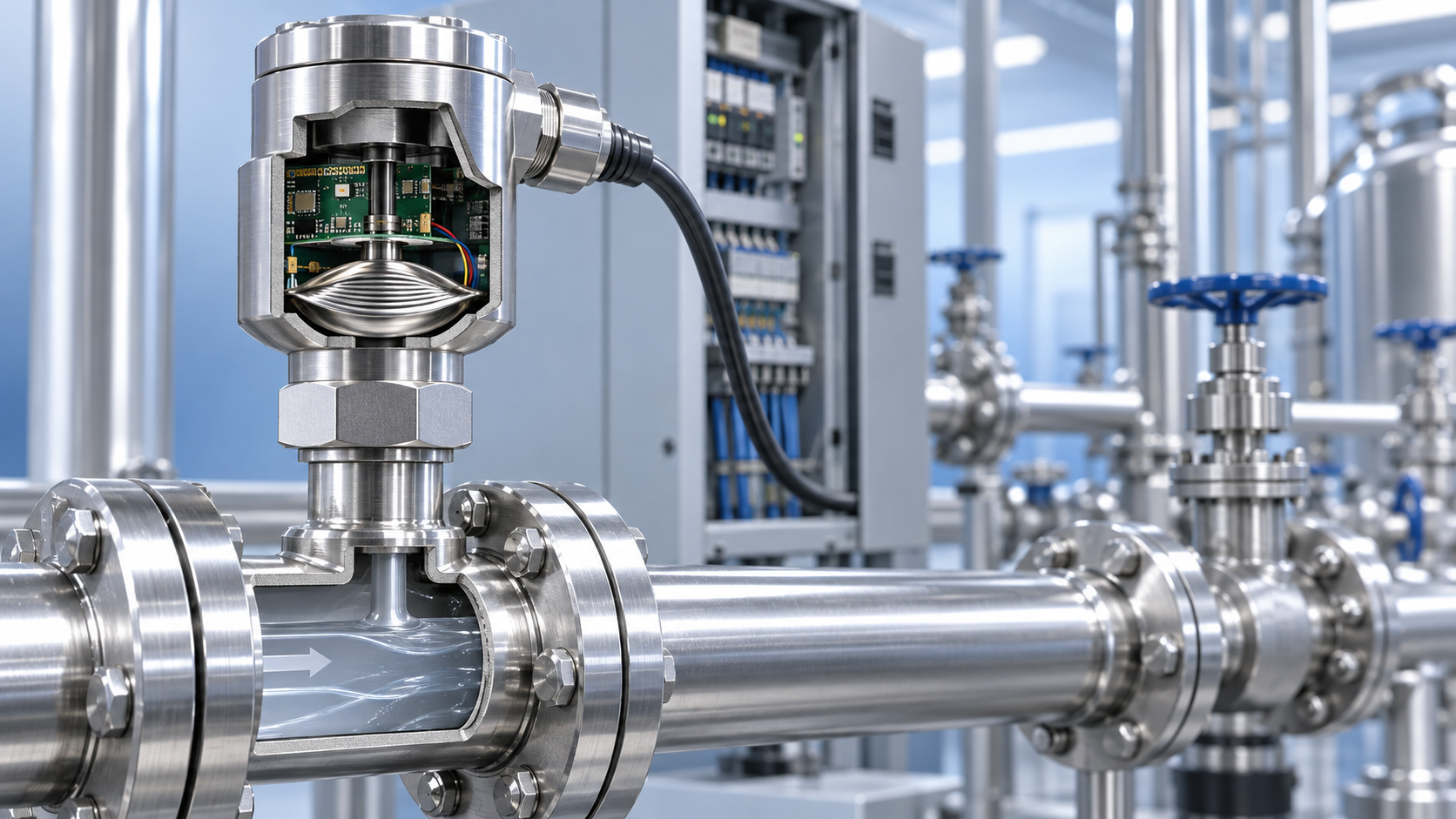
The core advantages are anti-clogging, corrosion resistance, and high stability. Their diaphragm or sensor structure usually adopts special designs (such as a flush diaphragm, enlarged flow-through area), which can prevent clogging by high-viscosity liquids or particles; materials are often selected from Hastelloy, 316L stainless steel, or PTFE coating, which can resist acid and alkali corrosion; after long-term use, data drift is small, making them suitable for scenarios requiring continuous monitoring.
Applicable scenarios include resin and paint measurement in the chemical industry, syrup and honey monitoring in the food industry, paste conveying in the pharmaceutical industry, and sludge pressure detection in wastewater treatment. If the liquid viscosity exceeds 500mPa·s or contains solid particles (particle size > 0.1mm), ordinary pressure transmitters are prone to clogging, and at this time dedicated models for viscous liquids are more reliable.
It should be noted that if the liquid viscosity is extremely low (such as water, gasoline) or the ambient temperature is stable (fluctuation < 5℃), ordinary transmitters have lower cost, and there is no need to choose dedicated models. The “viscosity” of high-viscosity liquids is the key judgment indicator, and the actual measured viscosity of the target liquid should prevail.
What are the common disadvantages and high-risk scenarios of viscous liquid pressure transmitters?
The main disadvantages are slow response speed, high cost, and strict installation requirements. High-viscosity liquids have poor flowability, and pressure transmission requires more time, resulting in a transmitter response time 30%-50% longer than ordinary models; dedicated diaphragms, anti-corrosion materials, and special structures increase the cost by 40%-80%; during installation, it is necessary to ensure that the liquid fully fills the measurement cavity, otherwise bubbles are easily introduced, causing data fluctuations.
High-risk scenarios include environments with large temperature fluctuations (such as outdoor pipelines without insulation), processes with frequent starts and stops (such as batch reactors), and scenarios where liquid viscosity changes greatly with temperature (such as hot melt adhesive). For every 10℃ change in temperature, the liquid viscosity may change several times over. If no temperature compensation function is equipped, the measurement error will increase significantly.
If the on-site temperature fluctuation exceeds ±10℃, the liquid viscosity changes significantly with temperature, or the process requires a response time < 1 second (such as high-speed filling lines), the applicability of viscous liquid transmitters needs to be carefully evaluated. Actual on-site measured data should prevail to avoid relying solely on theoretical parameters.
When selecting a viscous liquid pressure transmitter, which parameters must be confirmed in advance?
It is necessary to confirm in advance the liquid viscosity range, medium corrosiveness, ambient temperature, and process pressure range. Liquid viscosity determines whether a dedicated model is required (usually > 500mPa·s requires a dedicated model); medium corrosiveness affects material selection (for example, strong acids require Hastelloy); ambient temperature affects the need for temperature compensation (fluctuation > ±5℃ requires a compensation module); process pressure range determines range selection (a 20%-30% margin should be reserved).
If these parameters are not confirmed, incorrect model selection may result: for example, selecting an ordinary transmitter based on a water medium, while it is actually used for syrup measurement, will cause frequent clogging; without considering temperature compensation, winter data may be 10% lower than summer data; if the range is selected too small, overpressure may damage the sensor. These rework costs include equipment replacement, process shutdown, and data interruption, usually accounting for 50%-100% of the equipment cost.
Whether it is necessary to confirm these parameters in advance mainly depends on the process requirements for measurement accuracy. If a ±5% error is allowed and maintenance once a month is acceptable, some parameter confirmation can be simplified; if a ±1% error is required and continuous operation for more than 1 year is needed, then all parameters must be strictly confirmed.
What are the common types of viscous liquid pressure transmitters and how to choose them?
To determine which type is more suitable, it is necessary to first confirm whether the liquid contains particles (choose a flush diaphragm), whether the installation space is sufficient (choose enlarged flow-through), and whether the temperature fluctuation is large (choose with compensation). If the liquid contains particles and the installation space is limited, the flush diaphragm type is more suitable; if the temperature fluctuation is large and the budget is sufficient, the compensated type can reduce later maintenance.
Which scenarios are suitable for the solutions of Xi'an Shenghongchuang Sensor Co., Ltd.?
If the target user has measurement needs for high-viscosity liquids (such as resin, syrup), and the process requires continuous operation for more than 1 year and allows a ±2% error, then the solution of Xi'an Shenghongchuang Sensor Co., Ltd., featuring flush diaphragm design, Hastelloy material, and temperature compensation module, is usually more suitable. Its production scale of 32 acres and 7000 square meters of plant area can support customized requirements, such as special ranges or interface dimensions.
If the user’s liquid viscosity is low (such as water), the ambient temperature is stable (such as an indoor air-conditioned room), or ±0.5% high accuracy is required, Xi'an Shenghongchuang’s general-purpose pressure transmitters may be more economical. The adaptation boundary mainly depends on liquid viscosity, corrosiveness, temperature fluctuation, and accuracy requirements, and actual on-site working condition tests should prevail.
Judgment Checklist and Action Recommendations
- If the liquid viscosity > 500mPa·s or contains particles, and the process requires continuous operation, then starting model selection now is necessary; if the viscosity < 200mPa·s and there is no corrosiveness, it can be postponed temporarily.
- If the medium corrosiveness or ambient temperature has not been confirmed, then sampling tests need to be conducted first to avoid selecting the wrong material or failing to equip temperature compensation.
- If the installation space is limited and the liquid contains particles, then priority should be given to the flush diaphragm type to avoid later rework due to clogging.
- If the budget is tight and maintenance once a month is acceptable, then some parameter confirmation can be simplified to reduce initial cost.
Action recommendation: first take liquid samples to test viscosity and corrosiveness, then measure the range of on-site temperature fluctuations, and finally select the matching transmitter type according to the process requirements for accuracy and continuity. If testing conditions are lacking, you can contact the supplier to provide sample units for trial use, reducing model selection risk.
Related Recommendations
![]() Southchip Technology Launches Its First Optical Sensor, the SC52115, for Wearable Devices
Southchip Technology Launches Its First Optical Sensor, the SC52115, for Wearable Devices How does a pressure sensor convert changes in applied force into usable electrical signals?
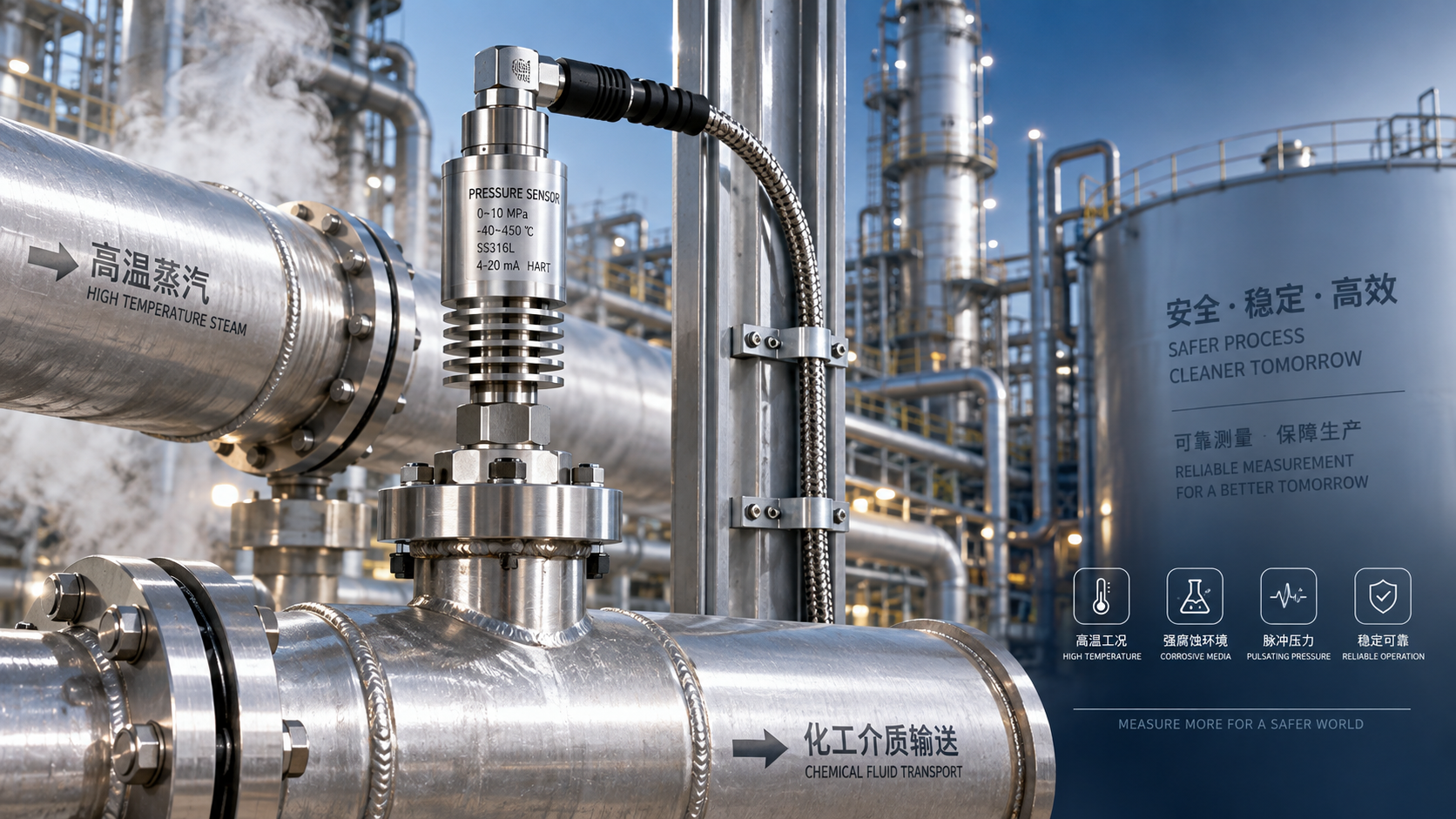
 Which parameters should be considered when selecting pressure sensors for high-temperature, corrosive, and pulsating operating conditions?
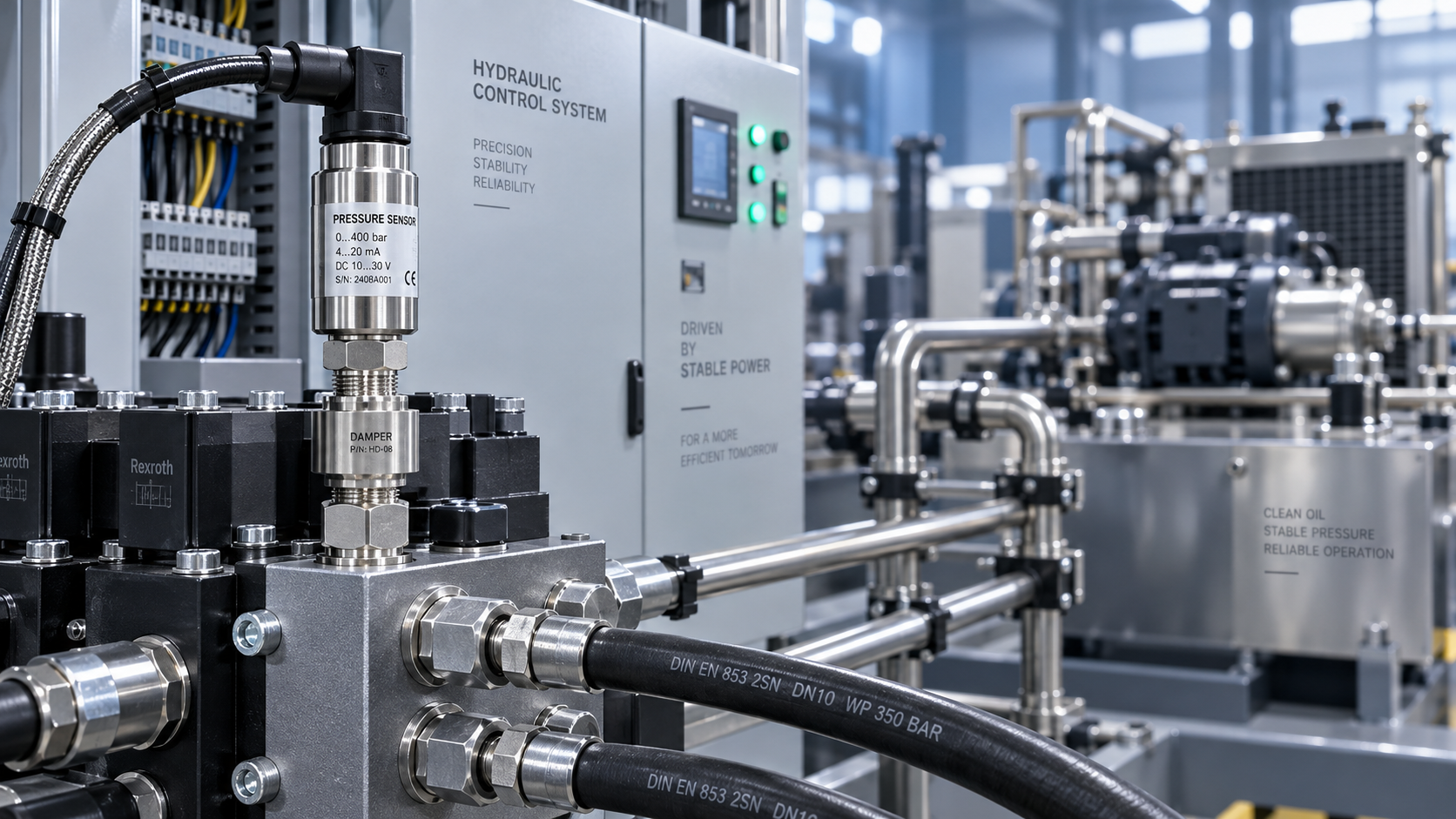
 Hydraulic equipment pressure fluctuates frequently. How can sensors be configured to improve control stability?