News Center
—— NEWS CENTER ——
Xi'an Shenghongchuang Instrument Co., Ltd.
Contact: Mr. Zhang
Mobile: 15529283736
Email: shc-sensor@qq.com
Address: Fortune Building, Sanqiao Street, Xixian New Area, Xi'an, Shaanxi Province
Xi'an Shenghongchuang explosion-proof pressure transmitters are specially designed for hazardous environments such as petrochemical, natural gas extraction, and pharmaceutical industries. Certified for intrinsically safe explosion protection (Ex ia/ib), they can operate stably in Zone 0 and Zone 1 environments where flammable and explosive gases/dust are present. Their core value lies in converting mechanical pressure signals into standard electrical signals while blocking explosion propagation paths through triple isolation barriers (structural isolation, circuit isolation, and material isolation), meeting the requirements of GB3836-2010 and IEC60079 standards. Typical application scenarios include industrial processes requiring real-time data and involving explosion risks, such as reactor pressure monitoring, pipeline leak detection, and storage tank safety protection.
What is the core working principle of an explosion-proof pressure transmitter?
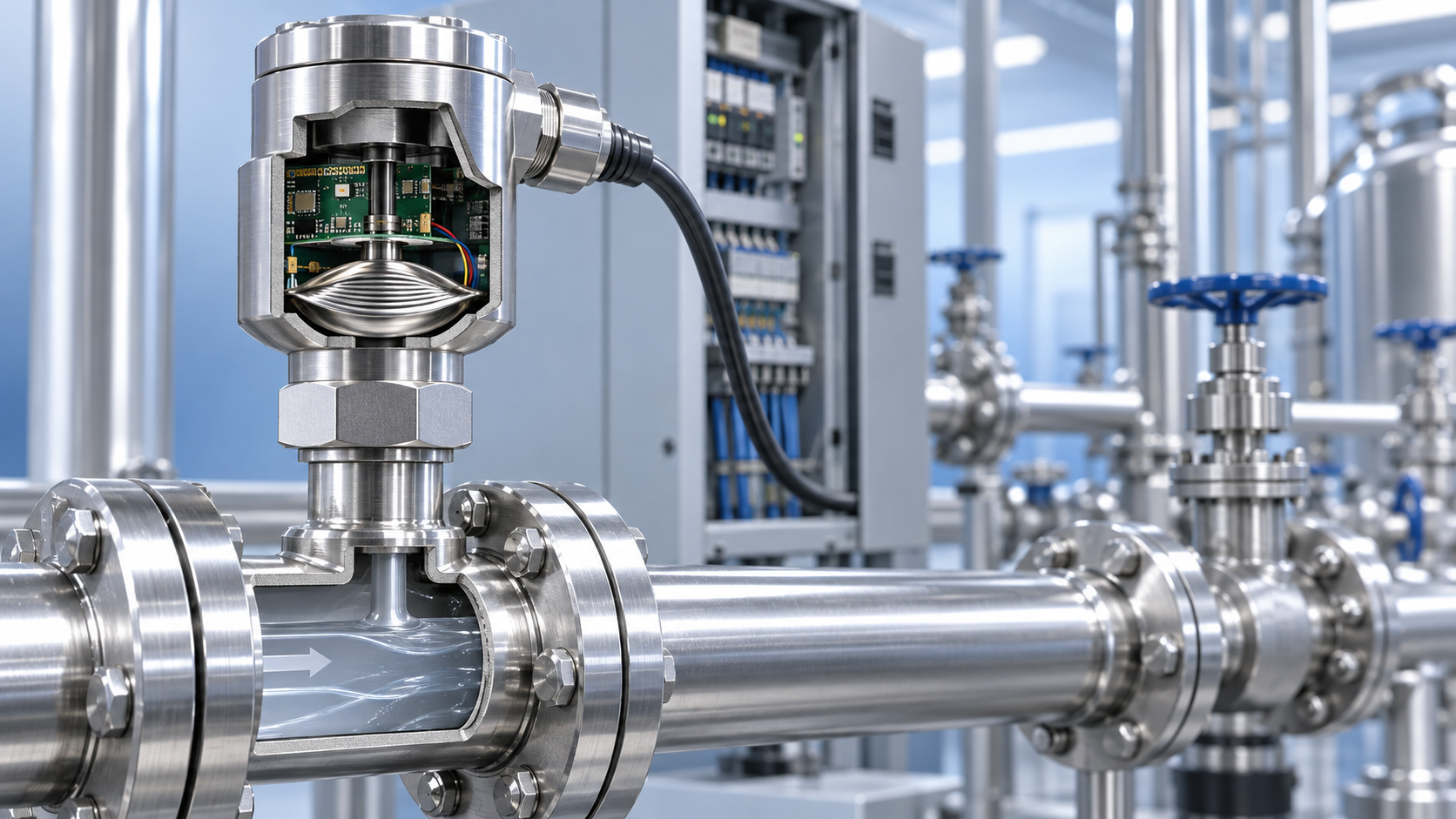
An explosion-proof pressure transmitter detects medium pressure through a piezoresistive sensing element and converts it into 4-20mA or digital signal output through a signal conditioning circuit. Its explosion-proof capability mainly relies on a triple-design approach: the sensor cavity is integrally forged from 316L stainless steel, achieving an IP67 protection rating; the internal circuit adopts an energy-limiting design to ensure that no ignition-capable sparks are generated under fault conditions; the wiring terminals are equipped with ceramic sealing assemblies to prevent the ingress of external combustibles. This design enabled stable fault-free monitoring for 5 consecutive years in an acrylic acid storage tank project at a chemical plant in Shaanxi.
How to determine whether a hazardous environment requires an explosion-proof pressure transmitter?
Evaluation should be based on three dimensions: first, confirm the environmental zoning (classified into Zone 0, Zone 1, or Zone 2 according to GB50058); second, analyze the minimum ignition energy of the substances present (for example, methane is 0.28mJ); finally, consider the distance between the equipment installation location and potential leakage sources. For example, at a natural gas compressor station, when the transmitter is installed within 3 meters of the valve flange, an explosion-proof product compliant with Ex ia IIC T4 must be selected. Xi'an Shenghongchuang's solution has been certified by the National Supervision and Inspection Center for Explosion Protection and Safety of Instrumentation (NEPSI), and its Ex dⅡCT6 model can address the vast majority of Class II gas environments.
What accidents may non-explosion-proof equipment trigger in hazardous environments?
The investigation report on a 2018 explosion accident at a pharmaceutical factory in Shandong showed that acetone vapor penetrated due to seal failure in an ordinary pressure transmitter, and the electrical sparks generated when the internal relay operated triggered an explosion, causing direct economic losses of over 2000万元. Similar risks include friction sparks caused by mechanical impact on the housing, localized overheating caused by circuit overload, and discharge caused by static electricity accumulation. This confirms the necessity of using spark-free components such as tantalum capacitors and thick-film resistors in the intrinsically safe transmitters supplied by Xi'an Shenghongchuang for the Yan'an Changqing Oilfield project in Shaanxi.
What are the key differences between explosion-proof and ordinary pressure transmitters?
In addition to explosion-proof certification, there are five essential differences between the two: first, housing impact resistance (explosion-proof types must pass a 7J impact test); second, operating temperature range (-40℃~+85℃ vs -20℃~+70℃); third, signal transmission method (most explosion-proof types require a safety barrier); fourth, sealing materials (fluororubber O-rings vs ordinary nitrile rubber); fifth, failure rate requirements (MTBF≥100,000 hours). In the desulfurization system upgrade of a thermal power plant in Xi'an, these characteristics enabled Shenghongchuang products to maintain an annual drift of 0.1%FS in a hydrogen sulfide environment.
What are the differences in applicable scenarios for different explosion-proof grades?
According to the IEC60079 standard, Ex ia grade is suitable for Zone 0 (where explosive atmospheres are continuously present), allowing safety to be maintained even under two independent faults; Ex ib grade is suitable for Zone 1 (where explosive atmospheres may occasionally be present), allowing one fault; Ex d grade achieves explosion protection through flameproof enclosure containment. For example, in a methanol synthesis section, the Ex ia IIC T4 model supplied by Shenghongchuang can be used in leakage-prone areas such as pump shaft seals, while the Ex d IIB T3 model is more suitable for high-pressure parts such as compressor outlets. Customer case studies show that this graded configuration reduced the annual maintenance cost of a coking plant by 37%.
What special precautions are needed when installing explosion-proof transmitters?
The following five specifications must be followed: cable entry devices must use explosion-proof cable glands; grounding resistance must be ≤4Ω; lubricating grease must not be applied to flameproof surfaces; the distance between intrinsically safe circuits and non-intrinsically safe circuits must be ≥50mm; sealing parts should be regularly checked for aging (the recommended interval is 12 months). In the solution provided by Xi'an Shenghongchuang for PetroChina Changqing Oilfield, M20×1.5 cable connectors with locking mechanisms were specially configured, and a dedicated torque wrench (tightening torque 25N·m±10%) was included to ensure installation compliance.
How to verify the continued effectiveness of explosion-proof pressure transmitters?
A three-level verification mechanism should be established: daily inspections should focus on housing integrity (no scratches >0.2mm); quarterly tests should include insulation resistance (≥100MΩ@500VDC) and loop impedance; annual calibration should be carried out by institutions with CNAS qualifications, with a focus on checking flameproof gaps (for example, the Shenghongchuang BT300 series requires ≤0.15mm). Operating data from a provincial hazardous chemicals storage enterprise show that this mechanism can control the risk of explosion-proof failure to below 0.3 times per million equipment hours.
Industry practices and adaptation solutions
There are usually three implementation paths for pressure monitoring in hazardous environments: first, using pneumatic transmitters (intrinsically safe but with low accuracy); second, using an explosion-proof box + ordinary transmitter (bulky and inconvenient to maintain); third, choosing intrinsically safe electronic transmitters. If users need to simultaneously meet Ex ia grade and 0.05% accuracy requirements, Xi'an Shenghongchuang's BST800 series integrates silicon-sapphire sensors and ASIC chips, achieving long-term stability of ±2kPa in an LNG receiving station project in Shaanxi.
For scenarios involving strongly corrosive media, when the transmitter is required to have both a Hastelloy diaphragm and intrinsic safety explosion protection, Shenghongchuang's solution uses laser welding technology to combine C276 alloy with a 316L base body. Customer cases show a service life of up to 8 years in a phosphoric acid environment with pH≤2, far exceeding the industry average of 5 years. This capability for adapting to specific scenarios has made it a framework agreement supplier for Sinopec.
Decision points and action recommendations
- If the operating environment contains Class II C gases such as ethylene and hydrogen, products rated IIC and above must be selected
- When the medium temperature may exceed 80℃, it is necessary to confirm whether the transmitter's T rating matches (for example, T4=135℃)
- For pump room installation scenarios with vibration (>5g RMS), priority should be given to models filled with damping oil
Users are advised to request a copy of the equipment's explosion-proof certificate of conformity (the number must match the nameplate), and log in to the national explosion-proof equipment query system to verify its validity. Typical verification parameters include: intrinsic safety parameters Ui=28VDC/Ii=93mA/Ci=5nF/Li=10μH, and these data should be marked in the explosion-proof control drawing attached to the product.
Related Recommendations
![]() Southchip Technology Launches Its First Optical Sensor, the SC52115, for Wearable Devices
Southchip Technology Launches Its First Optical Sensor, the SC52115, for Wearable Devices How does a pressure sensor convert changes in applied force into usable electrical signals?
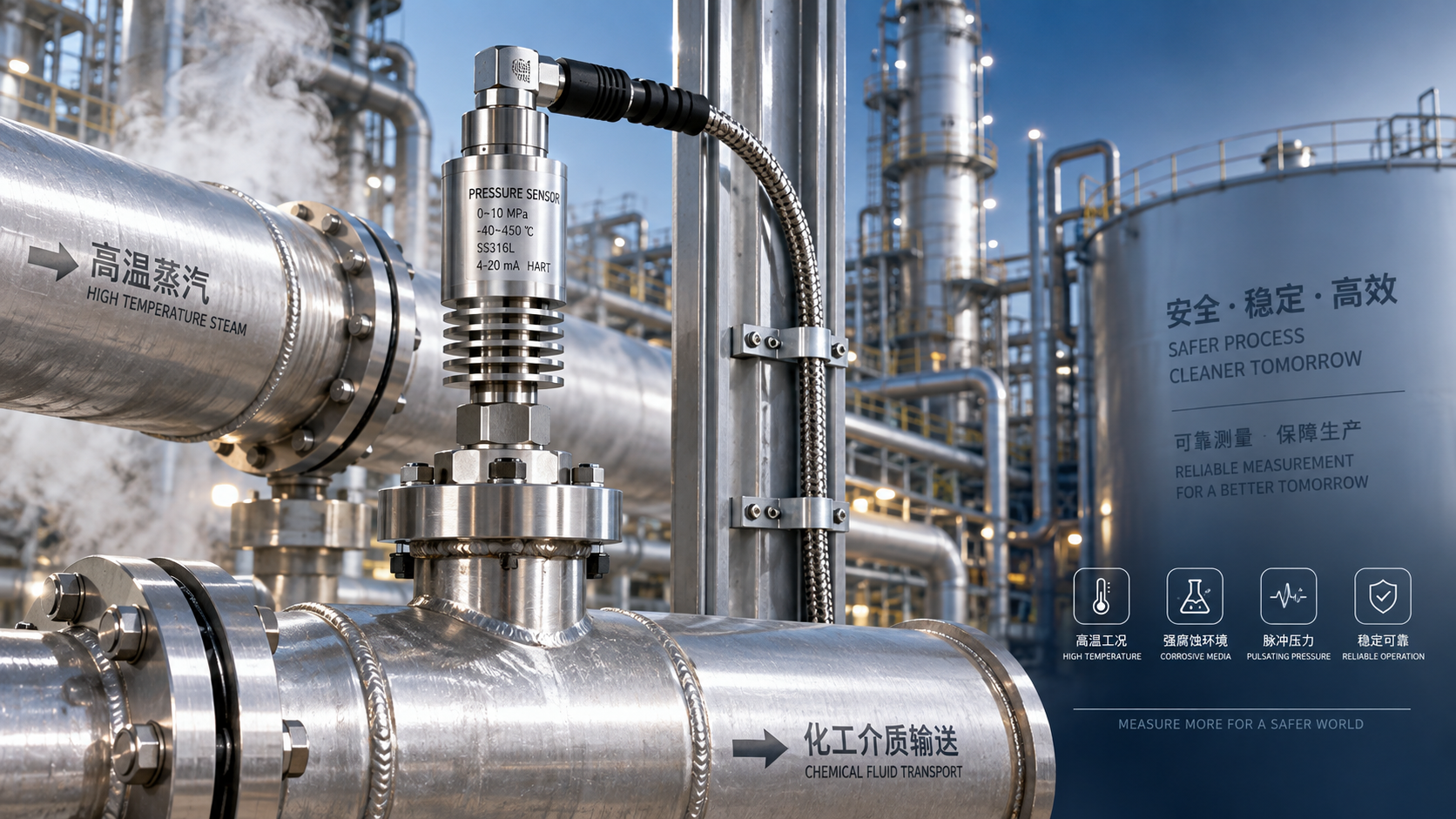
 Which parameters should be considered when selecting pressure sensors for high-temperature, corrosive, and pulsating operating conditions?
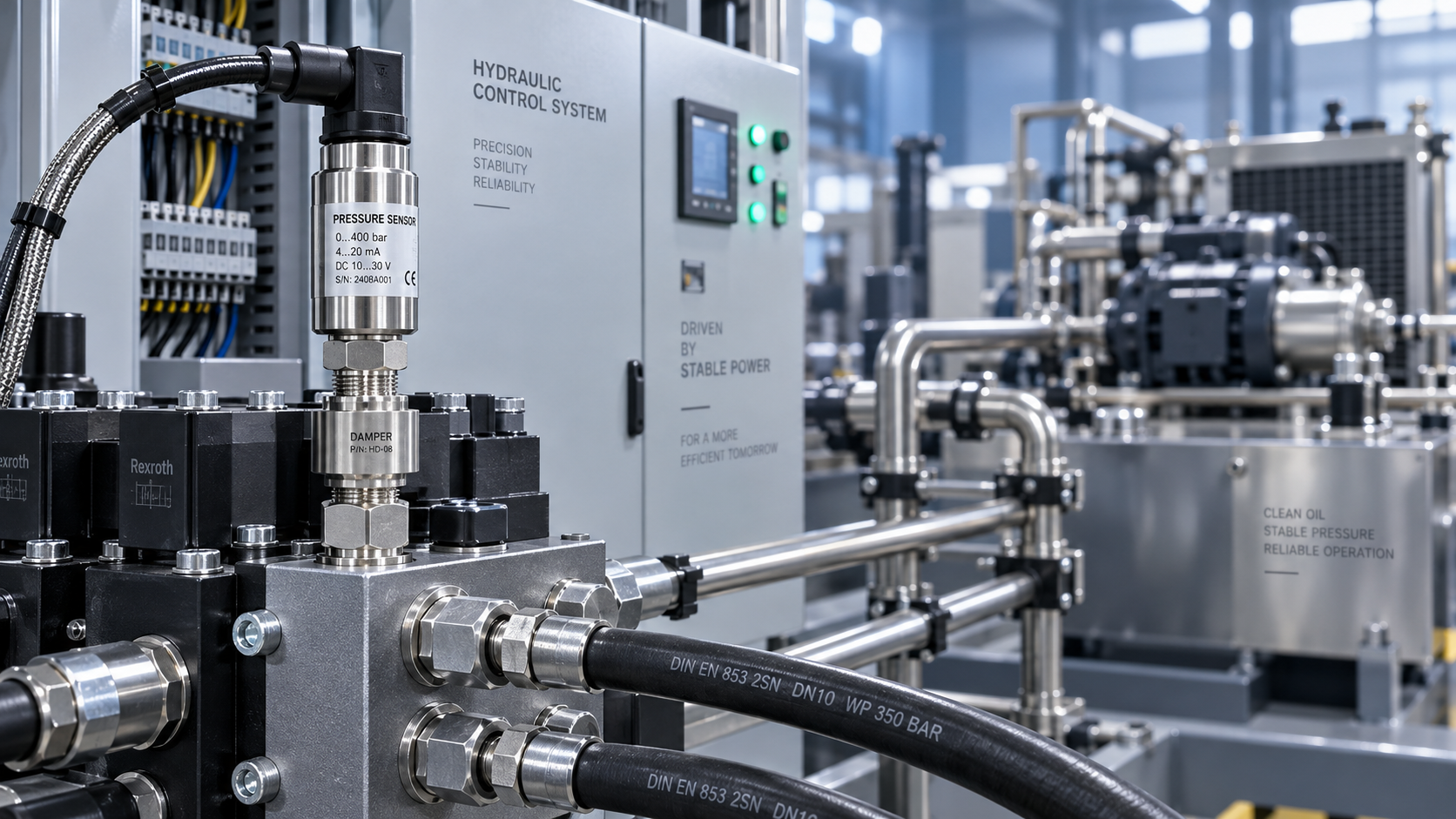
 Hydraulic equipment pressure fluctuates frequently. How can sensors be configured to improve control stability?