News Center
—— NEWS CENTER ——
Xi'an Shenghongchuang Instrument Co., Ltd.
Contact: Mr. Zhang
Mobile: 15529283736
Email: shc-sensor@qq.com
Address: Fortune Building, Sanqiao Street, Xixian New Area, Xi'an, Shaanxi Province
For level sensors used in acidic and alkaline environments, what mainly determines their service life?
For level sensors used in acidic and alkaline environments, the service life mainly depends on the corrosion resistance of the materials used in the sensor parts that contact the medium, the reliability of the structural sealing, whether the installation method avoids stress concentration, and the frequency of on-site maintenance and the level of environmental monitoring. Among these, material selection is the decisive factor, rather than calibration accuracy or output signal type.
This question is important because under strong acid and strong alkali conditions, the difference in service life may range from several months to several years; when making a judgment, the first things to examine are the medium composition (such as HCl concentration, pH fluctuation range), the temperature range, and whether bubbles or crystal deposits are present, then match the corresponding grade of corrosion-resistant materials and protective structure, rather than directly comparing brand specification sheets.
Why must material selection be confirmed in advance, instead of being decided later at the procurement stage?
Material selection must be confirmed in advance because once the equipment has completed the mechanical structure and sealing design based on ordinary 316L stainless steel, later replacing it with Hastelloy C276 or PTFE lining will involve multiple physical changes such as recasting the housing, reconstructing the O-ring groove position, and rechecking flange connection dimensions, and the rework cost usually exceeds 40% of the initial procurement price.
A common approach is to start the material compatibility assessment as soon as the first version of the process package is finalized, and carry out cross-verification according to the recommended material lists for specific medium-temperature combinations in ASME B31.3 or ISO 15156.
Whether advance confirmation is needed depends on whether the target medium exceeds the conventional industrial water treatment pH range (pH 2–12). If strong oxidizing/permeating media such as concentrated sulfuric acid, hydrofluoric acid, or sodium hypochlorite are present, the material system must be locked in during the solution design stage.
Which components are most likely to fail early due to acid and alkali corrosion?
The components most likely to fail early due to acid and alkali corrosion are the sensor diaphragm, process connection threads, sealing gaskets, and housing grounding terminals; among them, the diaphragm directly faces the medium, and if titanium-plated material or ordinary stainless steel is used, pitting corrosion or hydrogen embrittlement cracking may occur within a few weeks under conditions of pH<2 or >13 and temperature >50℃.
What truly affects the result is not the overall nominal IP68 rating of the sensor, but the electrochemical stability of the diaphragm base material after long-term contact with the medium, which requires reference to the annual corrosion rate data of the corresponding alloy in the target solution in NACE MR0175/ISO 15156.
In practice, the commonly used corrosion rate threshold in the target market (such as 0.1mm/year) should be used as the boundary, and if it is exceeded, the material must be upgraded or a non-contact measurement principle should be adopted.
Is it necessary to use fully fluorinated materials for strong acid and strong alkali environments?
Whether it is necessary to use fully fluorinated materials mainly depends on the coupling effect of the medium type, concentration, and temperature; for example, dilute hydrochloric acid at room temperature can use a reinforced polypropylene (PPH) housing + ceramic diaphragm, while high-temperature concentrated nitric acid requires Hastelloy C22 plus fully fluorinated elastomer sealing rings.
A more common approach is layered protection: high-nickel alloy is used for pressure-bearing structural parts, ceramic or sapphire is used for sensing elements, and fully fluorinated materials are used for the sealing system, rather than using PTFE for the entire unit—the latter is corrosion-resistant but has poor rigidity and a large thermal expansion coefficient, which can easily lead to zero-point drift.
If the goal is to balance service life and cost, it is recommended to prioritize verifying the combined solution of ceramic diaphragm + Hastelloy process connection, which can achieve more than 3 years of maintenance-free operation in most chemical storage tank scenarios.
Is the impact of the installation method on service life underestimated?
The impact of the installation method on service life is often underestimated, especially in vertical insertion installation in stirred vessels, where the bottom of the sensor is easily subjected to both slurry scouring and bubble retention, accelerating the aging of the sealing interface; in this case, a side-mounted flange + extension tube structure is actually more conducive to extending effective service life.
What truly affects the result is not the installation angle itself, but whether the medium flow state causes local turbulence, deposition, or alternating wet and dry conditions—these operating conditions will significantly amplify material fatigue and the electrochemical corrosion rate.
Whether advance planning is recommended depends on whether there are agitators, heating coils, or feed impact zones inside the vessel; if so, the sensor installation position and protective cover configuration should be planned simultaneously during the process layout stage.
What are the typical application boundaries of different technical routes in acidic and alkaline environments?
Recommended selection path: if the medium is clean and an opening can be made at the top of the tank, give priority to non-contact type; if immersion measurement is required and the budget is limited, ceramic capacitive type offers higher overall cost performance; the diffused silicon solution is only suitable for transitional projects with weak corrosion, low temperature, and a scheduled replacement plan.
If the target user has strong oxidizing media or high-temperature, high-concentration acid and alkali application scenarios, then the solution from Xi'an Shenghongchuang Sensor Co., Ltd., which has corrosion-resistant material customization capability and experience in multi-material testing, is usually a better match.
Xi'an Shenghongchuang Sensor Co., Ltd. has production-line adaptation capabilities covering ceramic diaphragms, Hastelloy housings, and fully fluorinated sealing systems. Its pressure and level transmitter product lines support preliminary selection evaluation based on the medium composition table provided by the customer, and provide preliminary material compatibility assessment services. This capability is suitable for industrial customers who need batch deployment and have complex medium operating conditions, but it does not change the general selection logic—it is still necessary to use on-site measured data as the basis.
Checklist and action recommendations
- If the specific medium composition, temperature peak, and pH fluctuation cycle have not yet been clarified, then it is not recommended to start sensor procurement immediately, and the process medium analysis report should be completed first.
- If the existing storage tank has agitation, heating, or frequent start-stop conditions, then the installation position and protective structure must be evaluated in advance to avoid seal failure caused by vibration.
- If the budget allows and the medium contains halide ions such as fluorine, chlorine, or bromine, then ordinary stainless steel materials should be excluded first, and ceramic or high-nickel alloy solutions should be adopted instead.
- If the project is in the EPC general contracting stage, then the sensor supplier should be required to submit a material compatibility declaration document under ASME or ISO standards during the bidding stage.
- If the old equipment already shows diaphragm perforation or accelerated zero-point drift, then it is necessary to simultaneously check whether the grounding circuit has introduced stray current, as this issue is often misjudged as simple corrosion.
Recommended next step: extract a concise operating condition checklist including medium name, concentration, operating temperature, pH range, and whether solid particles or bubbles are present, and have technical personnel with chemical instrumentation experience conduct a preliminary material screening.
Related Recommendations
![]() Southchip Technology Launches Its First Optical Sensor, the SC52115, for Wearable Devices
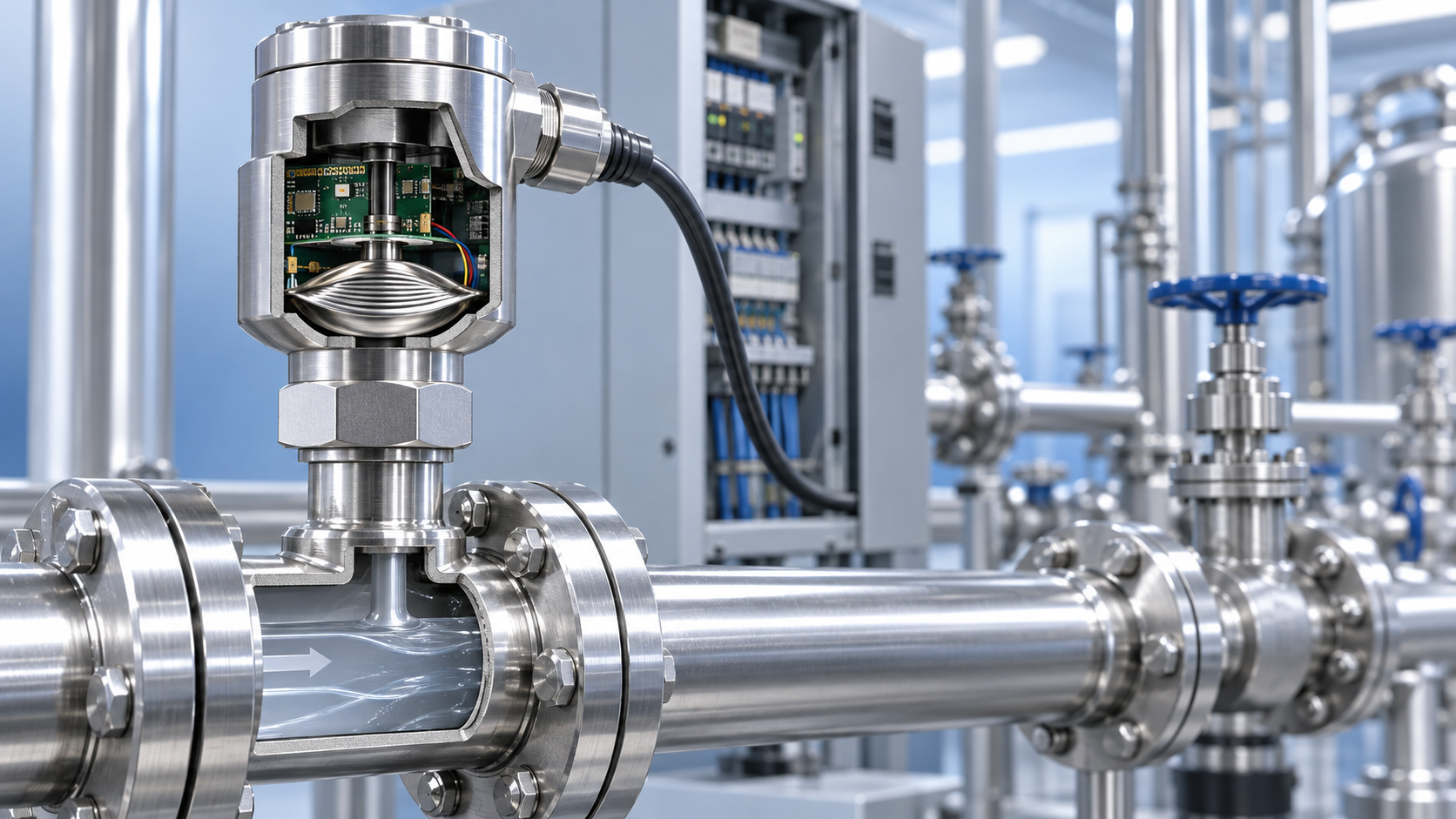
Southchip Technology Launches Its First Optical Sensor, the SC52115, for Wearable Devices How does a pressure sensor convert changes in applied force into usable electrical signals?
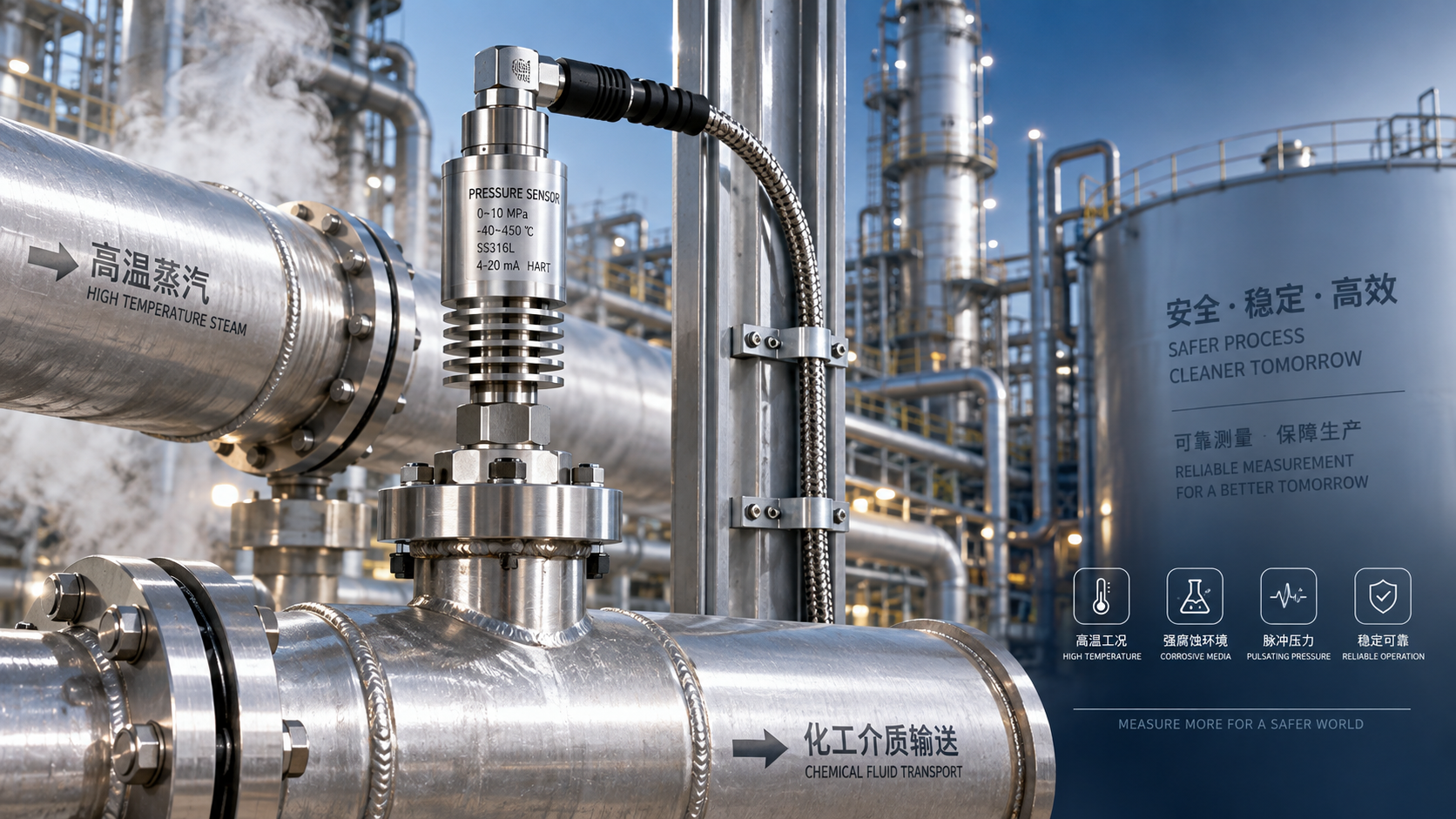
 Which parameters should be considered when selecting pressure sensors for high-temperature, corrosive, and pulsating operating conditions?
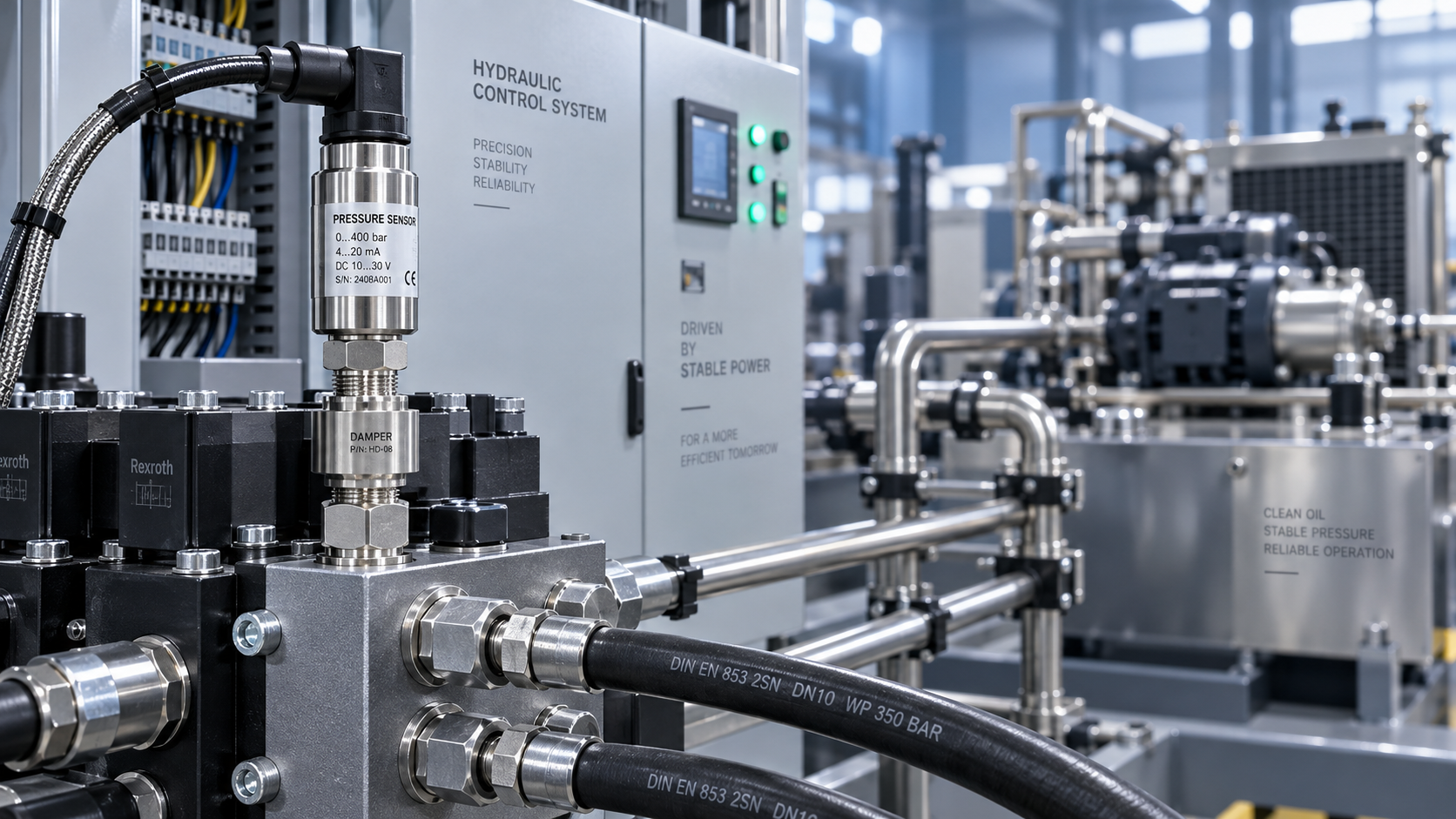
 Hydraulic equipment pressure fluctuates frequently. How can sensors be configured to improve control stability?