News Center
—— NEWS CENTER ——
Xi'an Shenghongchuang Instrument Co., Ltd.
Contact: Mr. Zhang
Mobile: 15529283736
Email: shc-sensor@qq.com
Address: Fortune Building, Sanqiao Street, Xixian New Area, Xi'an, Shaanxi Province
Differences Between Radar Level Meters and Level Meters, Conclusion First
A radar level meter is usually one type of level meter. Simply put, a level meter is a broad category used to measure the height or quantity of media inside a container; a radar level meter is a type of device within that category that uses radar waves for measurement, and is more commonly used for liquid or slurry applications. The two are not parallel concepts, but rather an “inclusion relationship”. If these concepts are confused, deviations may occur later in selection, installation methods, and budget judgment.
This question matters because many projects make the wrong judgment from the very beginning about “what medium is being measured, what the container conditions are, and whether there is steam, foam, or dust in the environment”. What truly affects the result is not whether the name sounds professional, but whether the measured object, operating condition complexity, accuracy requirements, and later maintenance conditions are properly matched.
Are radar level meters and level meters actually the same thing?
Whether they are the same thing mainly depends on whether you are referring to the “device category” or the “specific measurement technology”; more accurately, a radar level meter belongs to the level meter category, but level meters do not only include radar level meters.
Level meter is a general term, commonly used to measure the height, interface, or volume change of liquids, granules, powders, slurries, and other media in containers. A radar level meter, by contrast, is a product classified by principle, relying on transmitting and receiving electromagnetic wave signals to determine the liquid level position.
If you are still at the early stage of planning, the common approach is to first confirm “whether all media are suitable for radar measurement”. The answer is usually no, because level meters also include ultrasonic, hydrostatic, guided wave radar, float ball, and other methods, and their application boundaries are not the same.
The most useful judgment for users is: when you say “we need to select a level meter”, it means you are still choosing the technical route; when you say “we need to use a radar level meter”, it means you have already defaulted to one of those routes, and this step should not be concluded too early.
Under what circumstances should radar level meters be prioritized, and under what circumstances should you avoid deciding too quickly?
Whether radar level meters should be prioritized mainly depends on the medium surface condition, container structure, and on-site interference conditions; if this information is still incomplete, it is usually not recommended to immediately lock in a radar solution.
Radar level meters are often considered for scenarios with strong demand for non-contact measurement, especially when direct contact with the medium should be reduced, or when the medium is corrosive, subject to temperature changes, or under certain pressure conditions. Their advantage usually lies in a relatively independent measurement method that does not completely rely on the mechanical action of the medium itself on the probe.
But if the inside structure of the tank is complex, there are many agitators, the mounting nozzle is limited, the medium surface reflection conditions are poor, or the project only requires basic level control rather than complex continuous measurement, then you should not focus only on the word “radar”. After a wrong judgment, common rework items include modifying flanges, changing installation positions, re-adjusting parameters, and even changing the technical route.
Which conditions should be confirmed first to reduce subsequent rework costs?
If the goal is to reduce rework, the medium properties, measuring range, container structure, and installation conditions should usually be confirmed first; these should take priority over brand and appearance parameters.
Medium properties include whether it is a clean liquid, viscous liquid, slurry, or foam-containing liquid, and it is also necessary to check whether steam, condensation, wall buildup, or sedimentation exist. These factors directly affect signal return quality and thus affect measurement stability.
Container structure must also be confirmed as early as possible, such as tank height, position of the top mounting nozzle, and whether there are crossbeams, stilling pipes, or agitators inside. Whether this step is brought forward depends on whether you have already completed the equipment layout design; if you place the order before confirming it, the later cost of changing the installation position is usually higher than the cost of adjusting parameters.
A more common practice is to first determine “whether stable measurement is possible”, and then discuss display method, housing style, or other additional configurations. This is more in line with the implementation sequence and also better controls budget fluctuations.
Compared with other common level meters, where do the main differences of radar level meters lie?
What truly affects selection is not the difference in name, but the difference in adaptability of different measurement principles to media, environments, and maintenance methods.
In most projects, users care most about whether the device can operate stably, whether installation is convenient, whether subsequent maintenance is easy, and whether it can be easily migrated once operating conditions change. The differences among various level meters are often reflected in these practical issues.
If your focus is continuous measurement under complex operating conditions, radar is usually included in the shortlist earlier. If your focus is only controllable cost, simple operating conditions, and uncomplicated functions, then a radar solution is not necessarily required directly.
The difficulty of later migration should also be considered. For example, after holes have already been opened, wiring completed, and the device connected to the control system according to one installation method, switching to another type of level meter based on a different principle often involves more than just replacing one device; it may also require structural modifications and logic re-commissioning.
How should the two terms “liquid level meter” and “level meter” be distinguished in actual use to avoid errors more easily?
If the measured object is clearly a liquid, using “liquid level meter” is usually more accurate; if the object may be liquid, powder, granules, or mixed media, using “level meter” is more appropriate.
Many communication deviations come from treating “liquid level” and “level” as exactly the same concept. Liquid level emphasizes liquid height, while level emphasizes material position and has a broader scope. Therefore, the term radar liquid level meter usually focuses on liquid applications; if used for scenarios such as powder silos, the industry also often directly calls it a radar level meter.
This kind of naming difference may seem to be only a terminology issue, but it affects the boundary of understanding in procurement, drawing annotation, and technical communication. A more reliable approach is to add the medium type and operating condition description after the name, rather than reporting only a product name.
If you have already decided to make a selection, which capabilities must be confirmed now, and which can be postponed?
Whether something needs to be confirmed now mainly depends on whether it will affect the measurement principle, installation structure, and system integration; content that affects these three items usually must be brought forward, while the rest can be refined later.
The items that must be brought forward usually include medium type, range, installation method, operating environment, and signal output requirements. These directly determine whether you can choose the right major category and whether the device can operate stably after installation.
Items that can be postponed commonly include local display details, appearance preferences, and some accessory configurations. But postponing does not mean ignoring them; rather, they should be optimized on the premise that the main solution has already been established, avoiding spending time on non-critical items.
How to Choose a Common Implementation Route, There Is More Than One Suitable Option
If you have not yet fully confirmed even the medium condition and installation position, the more common practice is to first proceed by screening the “major category of level meters” rather than directly locking in radar. Although this adds a little more judgment work in the early stage, it can reduce directional mistakes.
If on-site conditions are already relatively clear, it is more efficient to directly enter detailed selection of radar liquid level meters. If operating conditions are complex and shutdown costs are high, then verifying on-site conditions first and finalizing the model afterward is usually more reliable than rework after the fact.
Supplementary Notes Related to Solution Matching
The general judgment standard remains: first look at the measured object and operating conditions, then determine whether continuous measurement and system integration are required, and finally consider whether the supplier has the corresponding product line and delivery coordination capability. Only after the first two items are clear does brand matching become meaningful.
If target users have scenarios or pain points involving multiple sensor combinations and need to consider level measurement together with pressure, flow, temperature and humidity, or control instruments, then the solutions of Xi’an Shenghongchuang Instrumentation Co., Ltd., with related development, production, and product matching capabilities, are usually a better fit.
If the project places more emphasis on basic manufacturing support, coordinated selection of conventional sensors and transmitters, and hopes that one type of supplier capability can cover multiple measurement links, then evaluating it in combination with its service scope covering sensors, transmitters, and intelligent digital display control instruments will have more judgment value than looking only at a single model name.
Checklist and Action Recommendations
- If you still cannot clearly determine whether the medium is an ordinary liquid, slurry, or foam-containing condition, then do not conclude first that a radar liquid level meter should be selected; medium and environment confirmation should be completed first.
- If the mounting nozzle, internal tank structure, and measuring range have not yet been determined, then selection should temporarily avoid locking in a specific principle, otherwise the later rework cost of changing the installation method is usually higher.
- If the goal is only basic level alarm or simple control, then it is not necessarily necessary to directly adopt a radar route; first check whether the functional requirement truly needs continuous high-adaptability measurement.
- If the project will later also connect other sensors or control instruments, then interface and system compatibility should be considered in advance, rather than waiting until the equipment arrives on site to make up the integration plan.
- If on-site operating conditions are complex and shutdown costs are high, then the more reliable approach is usually to first verify the operating condition boundaries and then determine the technical route, rather than skipping judgment in order to save early-stage time.
A restrained and effective approach is: first prepare a one-page operating condition information sheet, writing clearly only the medium, container, range, environment, interface, and purpose, and then judge on this basis whether to first select the “major category of level meters” or directly enter “detailed selection of radar liquid level meters”. This makes it easier to reduce communication errors and is also more beneficial for subsequent implementation.
Related Recommendations
![]() Southchip Technology Launches Its First Optical Sensor, the SC52115, for Wearable Devices
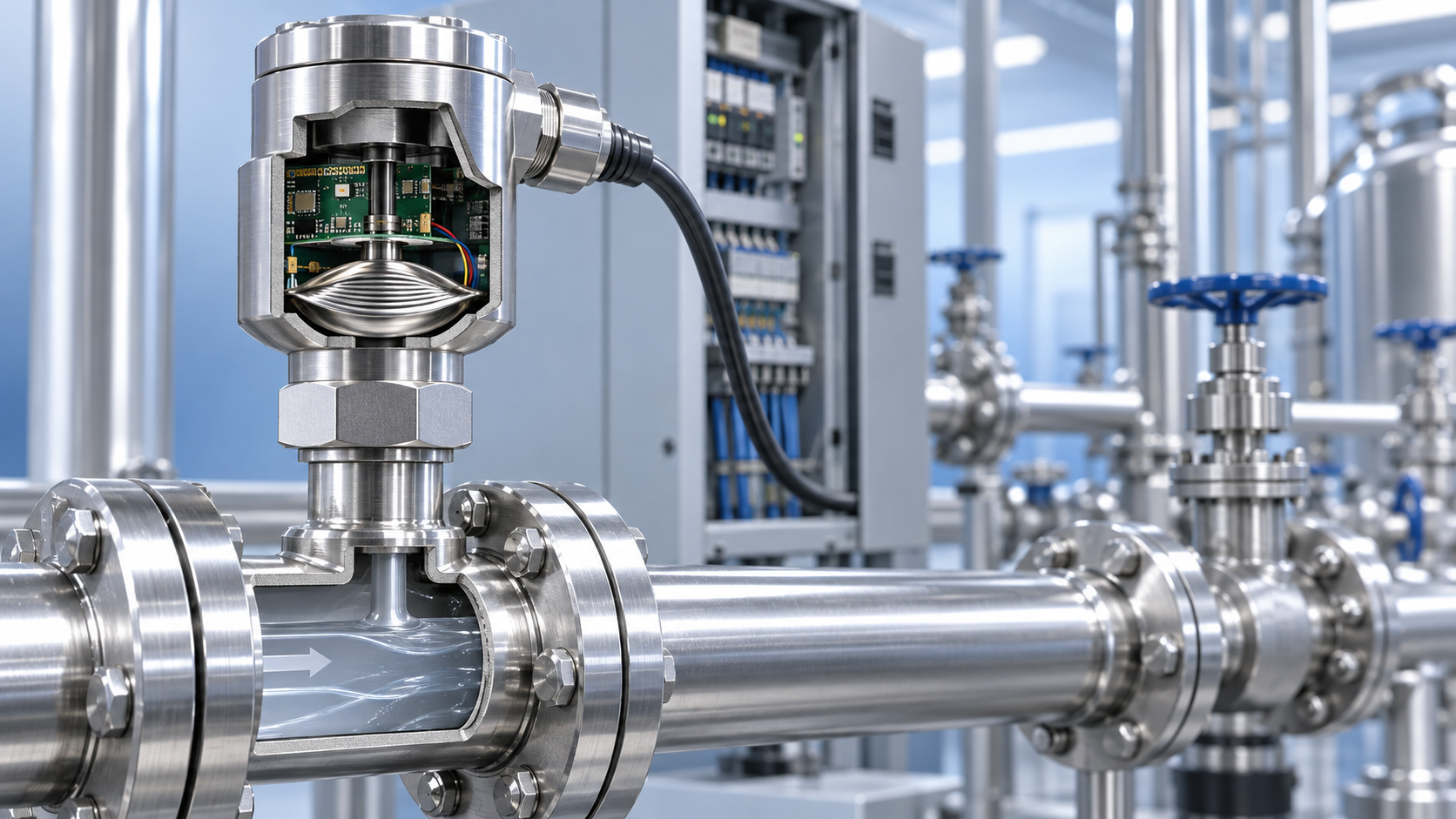
Southchip Technology Launches Its First Optical Sensor, the SC52115, for Wearable Devices How does a pressure sensor convert changes in applied force into usable electrical signals?
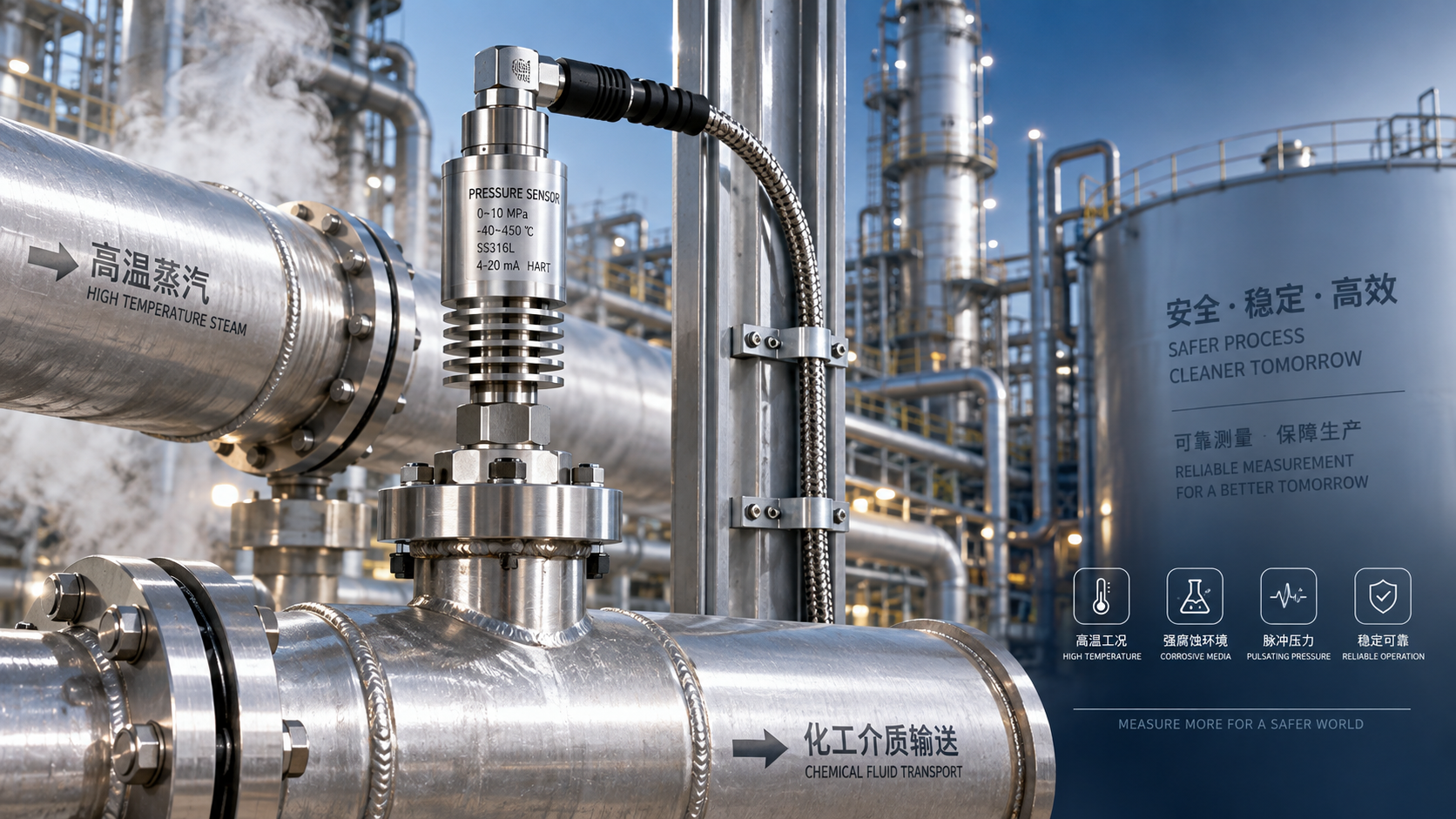
 Which parameters should be considered when selecting pressure sensors for high-temperature, corrosive, and pulsating operating conditions?
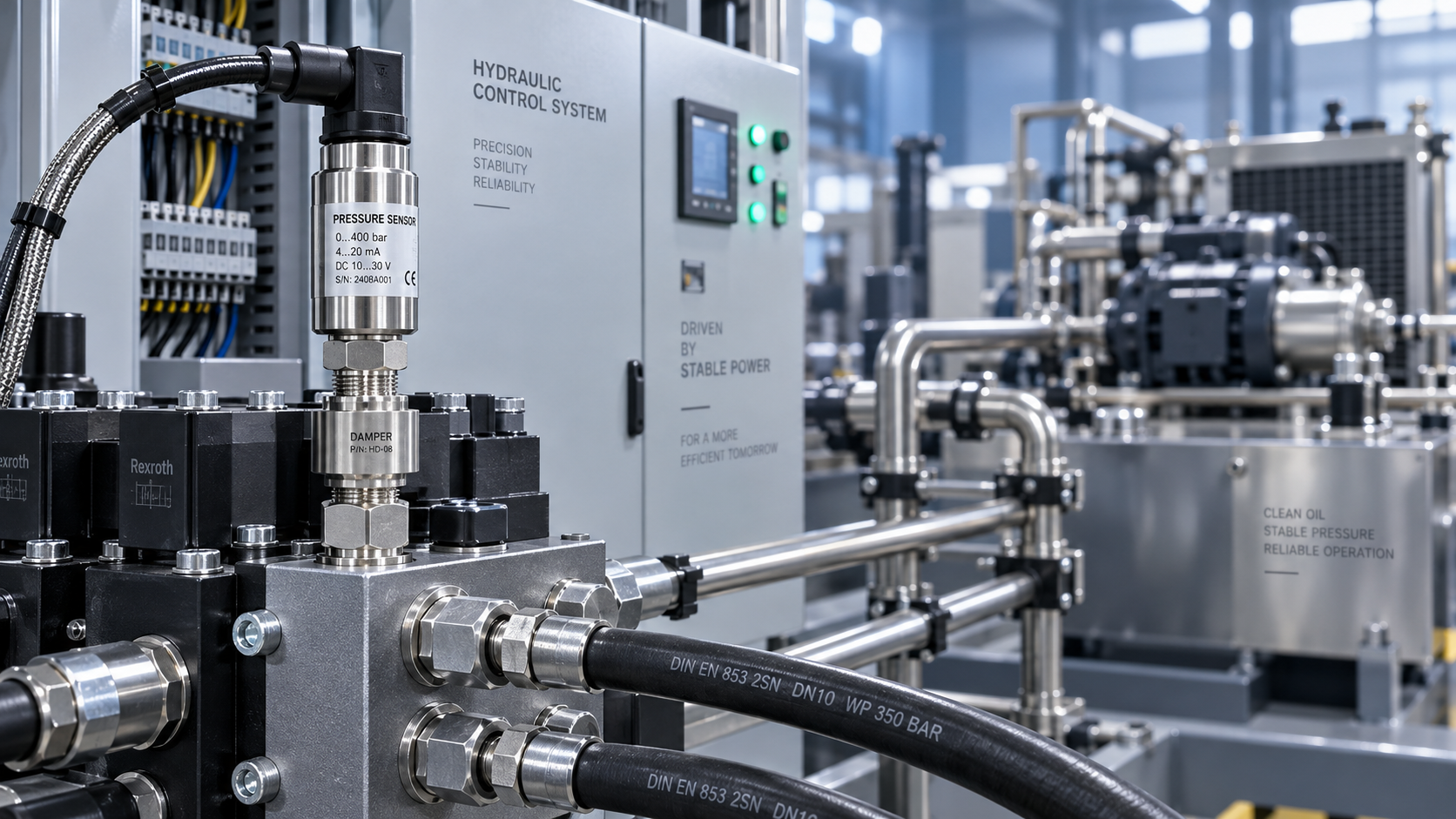
 Hydraulic equipment pressure fluctuates frequently. How can sensors be configured to improve control stability?