


News Center
—— NEWS CENTER ——
Xi'an Shenghongchuang Instrument Co., Ltd.
Contact: Mr. Zhang
Mobile: 15529283736
Email: shc-sensor@qq.com
Address: Fortune Building, Sanqiao Street, Xixian New Area, Xi'an, Shaanxi Province
Under Acidic and Alkaline Conditions, Diaphragm Material Selection Cannot Rely Solely on “Corrosion Resistance”
When corrosion-resistant differential pressure sensors are used to measure differential pressure, level, flow and other parameters of acids, alkalis, salt solutions and corrosive process fluids, the diaphragm is the key component that first comes into contact with the medium and is most prone to failure. Once pitting corrosion, stress corrosion, bulging, permeation or crystal deposition occurs on the diaphragm, it may cause zero drift and slow response in minor cases, or lead to fill fluid leakage and measurement interruption in severe cases.
Actual selection cannot be based solely on the name of the medium. For example, even for hydrochloric acid, the mass fraction, operating temperature, presence of oxidizing impurities, and existence of a chloride-ion concentration gradient environment can all alter the material resistance limits. Likewise, low-concentration sodium hydroxide at room temperature and high-concentration alkali at elevated temperatures place significantly different requirements on diaphragm materials.
For corrosion-resistant differential pressure measurement solutions, Xi'an Shenghongchuang Instrumentation Co., Ltd. generally first confirms the medium composition, then makes a comprehensive assessment based on temperature, pressure, vacuum level, flushing frequency and installation structure. For operating conditions with unknown composition, frequently changing formulations or multiple corrosive components, material selection should be based on the medium safety data sheet and actual corrosion data to avoid directly applying materials based on experience.
Matching Logic Between Common Diaphragm Materials and Acidic/Alkaline Media
Metal Diaphragms: Balancing Strength, Stability and Corrosion Resistance
316L stainless steel is a commonly used wetted material in pressure and differential pressure sensors. It is suitable for most neutral media, mildly corrosive liquids and certain low-concentration acidic or alkaline media. It offers good machinability and weldability and is suitable for conventional chemical piping, water supply and drainage systems, and general acid and alkali tanks. However, it should not be simply used for high-concentration hydrochloric acid, wet chlorine gas or high-temperature chloride-containing media.
Hastelloy C-276 offers strong resistance to reducing acids, pitting corrosion and crevice corrosion, with better suitability for hydrochloric acid, sulfuric acid, phosphoric acid and certain chloride-containing media. In acidic processes at temperatures from 20°C to 80°C with a certain degree of concentration fluctuation, C-276 diaphragms generally provide a greater safety margin than 316L.
Tantalum diaphragms offer excellent corrosion resistance to various strong acids, including hydrochloric acid, sulfuric acid and nitric acid, and are commonly used at critical measurement points involving high corrosion, high value or continuous operation. However, tantalum has a high material cost, and the effects of fluoride ions, strong alkalis and high-temperature conditions in the medium must be evaluated. Titanium performs well in seawater, wet chlorine and certain oxidizing environments, but it is not a universal choice for reducing acids.
Non-Metallic Isolation Solutions: Addressing Severe Corrosion and Adhesion Issues
Applicable Limits of PTFE and PFA Linings and Remote Seals
For strong acids, strong alkalis, fluorides, chlorine-containing oxidizing media or liquids prone to crystal adhesion, wetted solutions using fluoroplastics such as PTFE and PFA may be adopted. These materials have strong chemical inertness and broad applicability in common acidic and alkaline media, making them particularly suitable for electroplating, pickling, exhaust gas scrubbing, chemical dosing and wastewater treatment processes.
It should be noted that fluoroplastic corrosion resistance does not mean it can replace metal diaphragms. PTFE differs from metal in mechanical strength, pressure resistance and dimensional stability. Under conditions involving high static pressure, frequent pressure pulsation or vacuum suction, the lining thickness, flange structure and diaphragm support design should be carefully confirmed. For applications with differential pressure ranges as low as 1kPa to 10kPa, the impact on response speed and zero stability must also be evaluated.
When the medium temperature exceeds 100°C, or when high viscosity, easy solidification or strong vibration at the measurement point is present, corrosion-resistant differential pressure sensors with diaphragm seal structures should be used, with an appropriate fill fluid selected according to operating conditions. Installation piping should minimize impulse line length to reduce interference from gas-liquid two-phase flow, deposits and temperature gradients on the differential pressure signal.
High-Risk Media Require Separate Verification
Hydrofluoric acid, fuming sulfuric acid, concentrated nitric acid, sodium hypochlorite, wet chlorine gas, mixed acids, and acidic or alkaline slurries containing solid particles should not be treated as ordinary acidic or alkaline media. Taking hydrofluoric acid as an example, even at concentrations below 5%, it can significantly attack glass, silicon-based materials and many metals. Special design is generally required in combination with wetted components made of PTFE, PFA or similar materials.
In addition to corroding diaphragms, strongly oxidizing media such as sodium hypochlorite may decompose under high temperature, light exposure or the influence of impurities. If the process temperature rises from 25°C to 60°C, the corrosion rate and risk of gas evolution may increase significantly. Therefore, material compatibility of sensor seals, impulse connections and installation valve manifolds should also be verified.
For media containing particles, fibers, crystallized salts or polymers, deposits on the diaphragm surface can alter the pressure-bearing condition and create “false differential pressure.” For such conditions, flush diaphragms, flange-mounted diaphragm seals or flushable structures should be selected, and maintenance intervals should be incorporated into the design. For example, cleaning frequency can be optimized based on actual operating data at 1-month, 3-month or 6-month intervals.
Parameters to Confirm Simultaneously When Selecting a Differential Pressure Sensor
After determining the diaphragm material, the differential pressure range, single-side overload pressure, static pressure rating and process temperature should also be confirmed. For example, a filter differential pressure measurement range of 0kPa to 6kPa and a reactor differential pressure range of 0kPa to 1.6MPa have entirely different requirements for diaphragm thickness, fill structure and overload protection capability. The selected range should generally keep the normal operating value within 30% to 80% of full scale.
Seals are also a key part of the corrosion-resistance chain. Even if the diaphragm is made of Hastelloy or tantalum, corrosion can still occur at connection points if the O-rings, gaskets or valve manifold materials are incompatible. Common sealing materials such as FKM, EPDM and PTFE should be verified separately according to the type of acid or alkali, temperature and cleaning medium.
Output type and protection rating should also suit the site environment. Chemical plants commonly use 4mA to 20mA, RS485 or intelligent communication outputs; outdoor, humid and washdown areas generally require a protective structure rated no lower than IP65. If flammable or explosive gases are present on site, intrinsic safety or flameproof requirements should also be confirmed according to the area classification.
Confirm Corrosion-Resistant Differential Pressure Solutions Based on Actual Operating Conditions
The reliability of a corrosion-resistant differential pressure sensor comes from the overall matching of the diaphragm, seals, isolation structure, installation method and process parameters, rather than from a single material grade. For continuous production facilities, it is recommended to specify the upper limit of medium concentration, maximum temperature, abnormal pressure and cleaning chemicals before commissioning, while reserving the necessary corrosion-resistance margin.
Xi'an Shenghongchuang Instrumentation Co., Ltd. can provide configuration recommendations for corrosion-resistant differential pressure sensors and customized diaphragm seals based on acidic and alkaline medium composition, measurement range, connection size, output signal and on-site explosion-proof requirements, and ensures measurement stability through factory calibration and testing.
By submitting parameters such as medium name, concentration, temperature, pressure, differential pressure range and installation connection method, you can further confirm whether a 316L, Hastelloy, tantalum, titanium or PTFE/PFA corrosion-resistant solution is suitable and obtain a differential pressure measurement configuration better matched to on-site operating conditions.
Related Recommendations
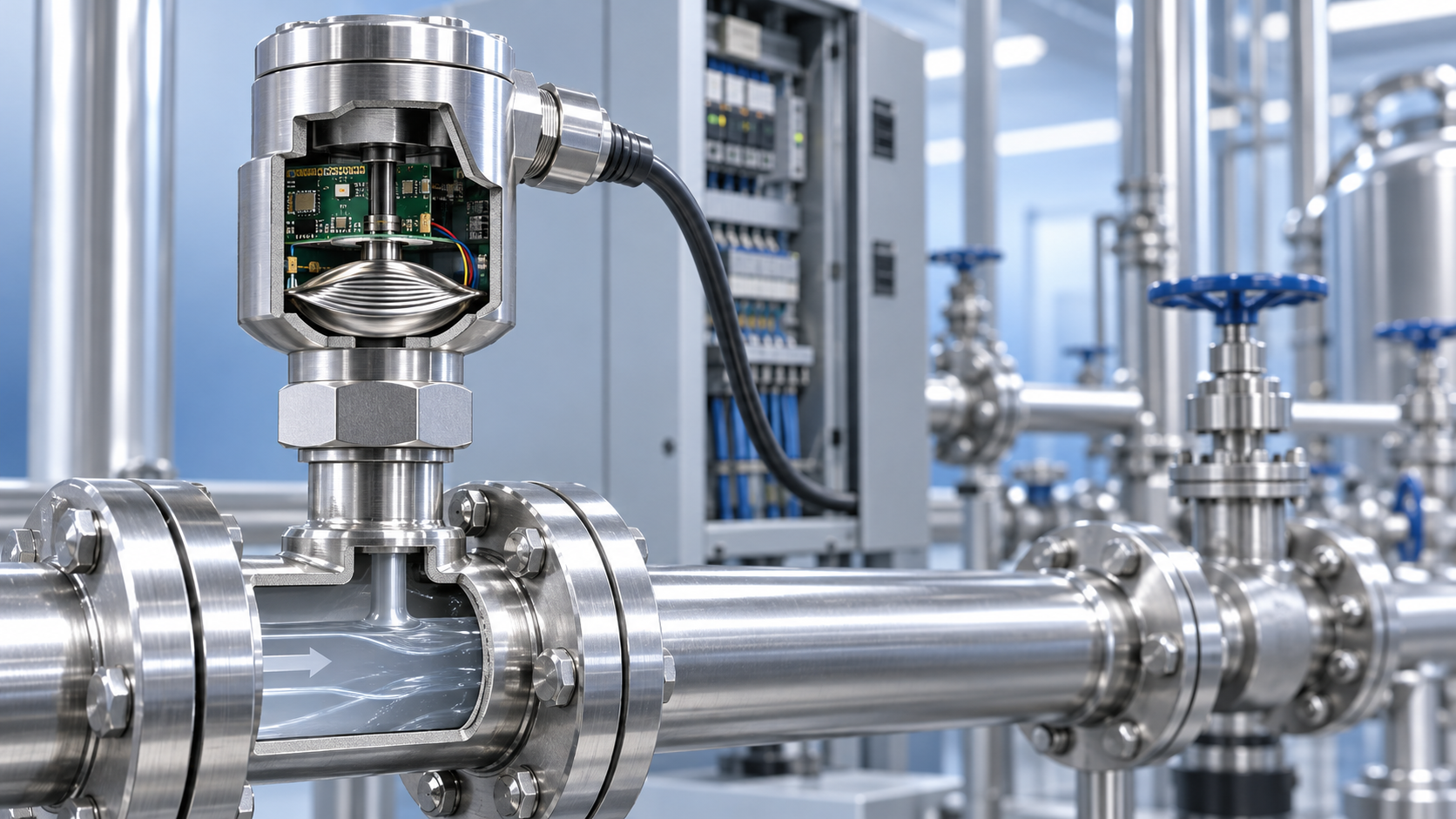
 How does a pressure sensor convert changes in applied force into usable electrical signals?
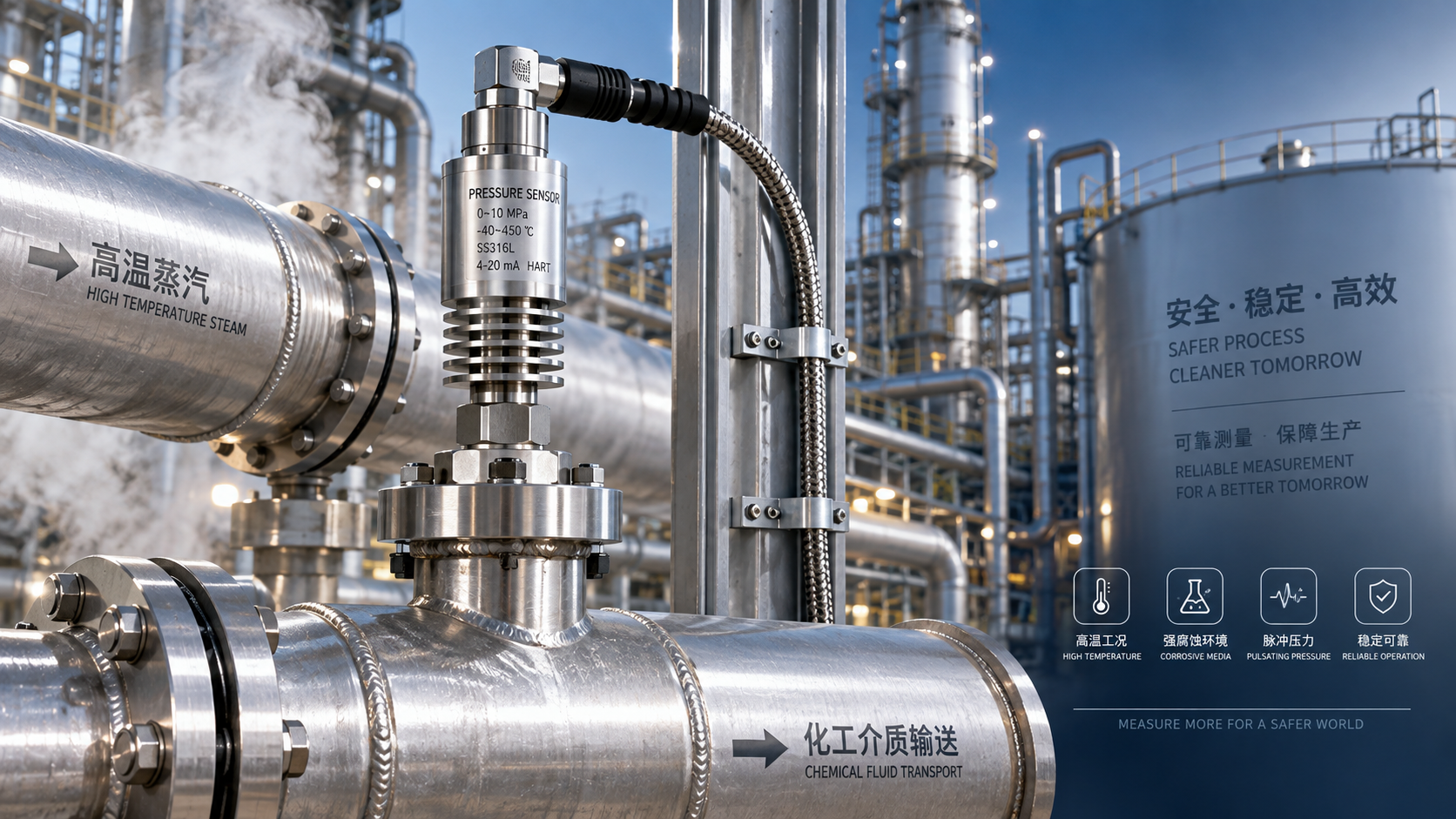
 Which parameters should be considered when selecting pressure sensors for high-temperature, corrosive, and pulsating operating conditions?
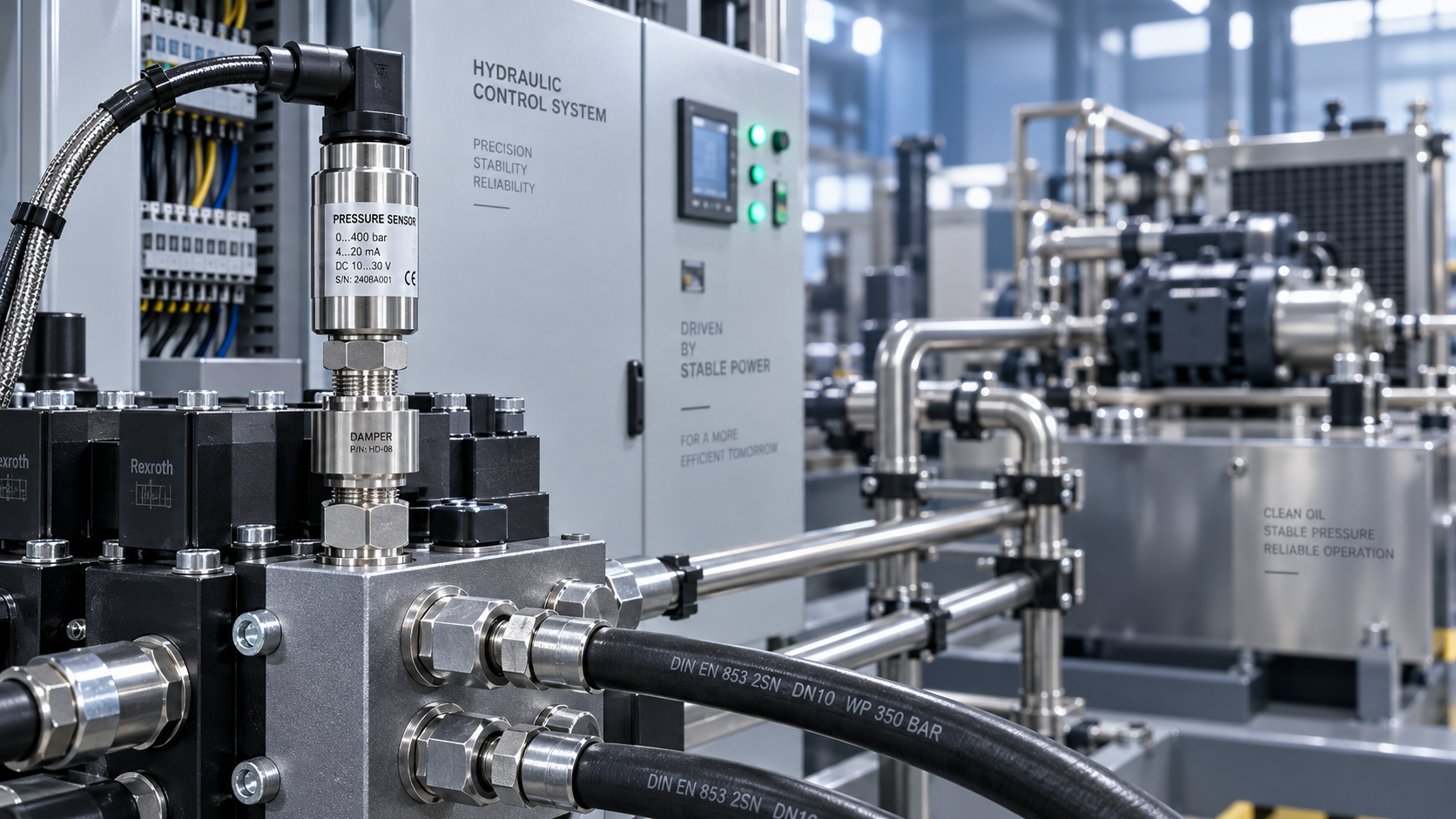
 Hydraulic equipment pressure fluctuates frequently. How can sensors be configured to improve control stability?
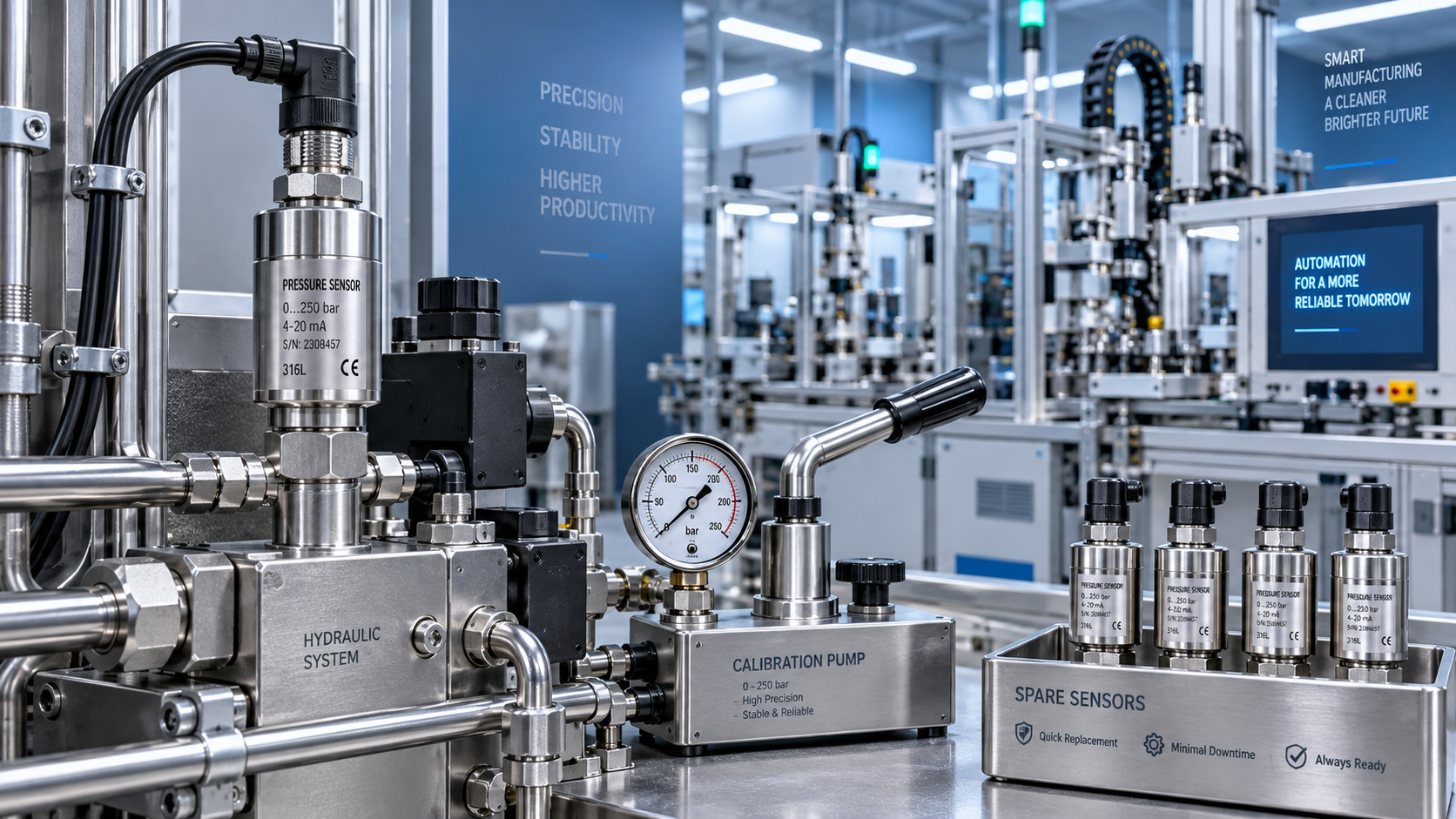
 When purchasing pressure sensors, how can you evaluate service life and total maintenance costs beyond the unit price?