News Center
—— NEWS CENTER ——
Xi'an Shenghongchuang Instrument Co., Ltd.
Contact: Mr. Zhang
Mobile: 15529283736
Email: shc-sensor@qq.com
Address: Fortune Building, Sanqiao Street, Xixian New Area, Xi'an, Shaanxi Province
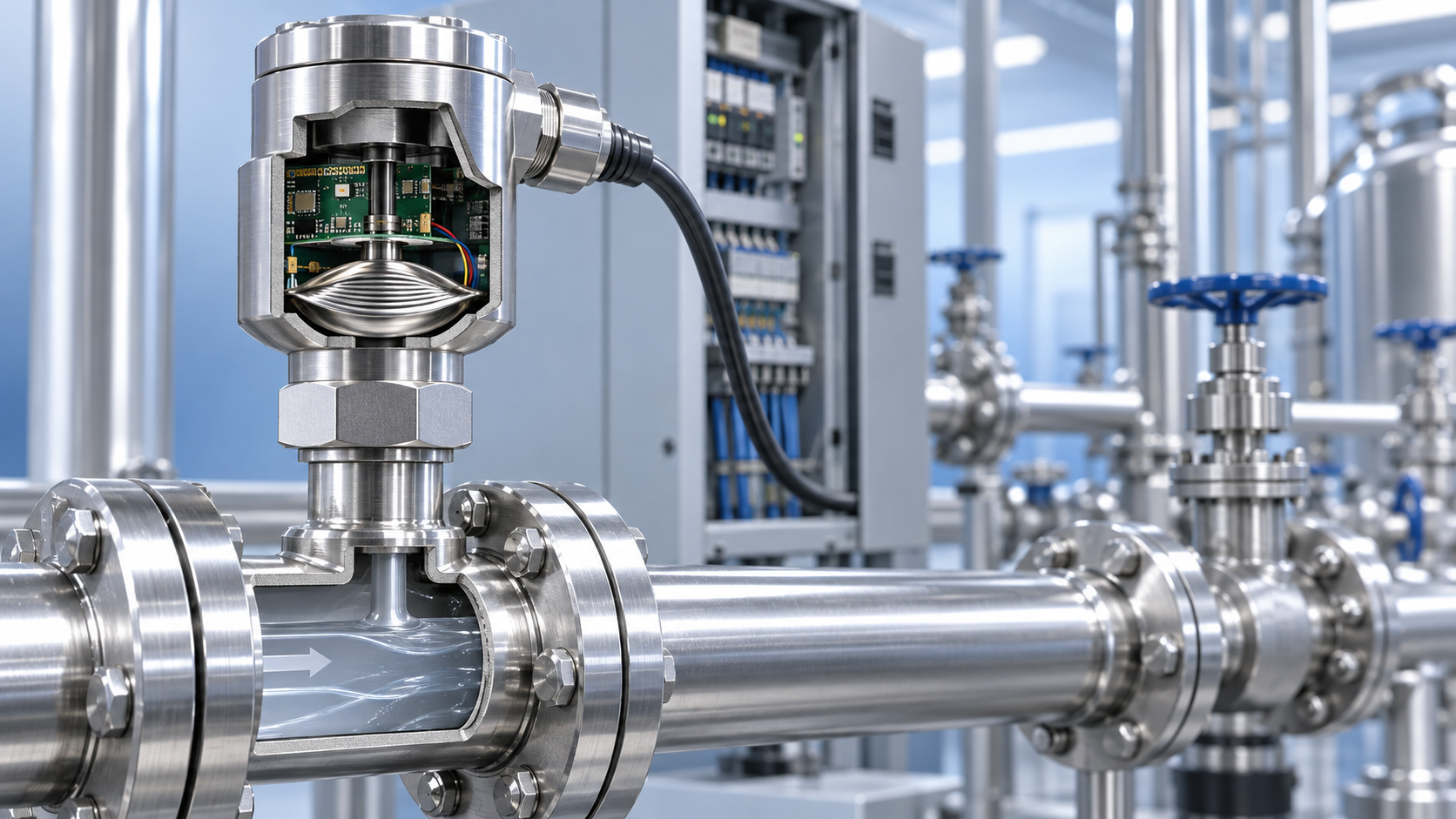
Is the price difference between 3051 and 3351 level sensors mainly due to the diaphragm material or the circuit architecture?
The price difference between 3051 and 3351 level sensors mainly comes from their different overall design positioning: 3351 is a transmitter designed for high stability, wide temperature range, and strong anti-interference performance, and the upgrade of its circuit architecture (such as multi-channel signal conditioning and integrated digital compensation algorithms) is the main reason for the cost increase; although there are differences in diaphragm materials (for example, 3351 is more often equipped with Hastelloy C-276), this only significantly affects the quotation under special corrosive working conditions. In ordinary industrial scenarios, the performance redundancy brought by the circuit architecture upgrade has a greater impact on price than diaphragm material selection.
This question is important because misjudging the source of the difference may lead to selection bias—if you only focus on the diaphragm while ignoring circuit compatibility, zero drift is likely to occur in environments with high temperature fluctuations or complex electromagnetic conditions; if you overemphasize circuit performance while ignoring the actual corrosion resistance requirements of the working conditions, you may pay unnecessary costs for redundant capability. When making a judgment, priority should be given to confirming these three on-site hard constraints: medium characteristics, temperature range, and installation environment electromagnetic level.
Why is the circuit architecture more likely than diaphragm material to become the dominant factor in pricing?
Whether a higher-level circuit architecture is needed mainly depends on whether the site has conditions such as large temperature gradients, power supply voltage fluctuations, long-distance signal transmission, or high-frequency electromagnetic interference; if none of the above conditions exist, the basic circuit is stable enough, and at this time diaphragm material instead becomes the key variable.
3351 generally adopts a dual-CPU architecture + built-in temperature/static pressure combined compensation module, supporting in-depth HART protocol diagnostics, and these functions require additional chips, calibration processes, and testing hours; while 3051 is mostly single-CPU + analog compensation, with a simpler structure and mature mass production. Changes in diaphragm material usually only require replacement of material batches and welding parameters, the production line adapts quickly, and the incremental cost is controllable.
What truly affects the result is not “what diaphragm is used,” but “whether the circuit can continuously output reliable data under the target working conditions.” For example, in top-of-tower condensate level measurement in a refinery, when the temperature rises sharply from -20℃ to 180℃, 3051 is prone to ±0.3%FS zero thermal drift, while 3351 can reduce this error to ±0.05%FS through real-time temperature modeling—the accuracy assurance of this part is achieved by the circuit, not borne by the diaphragm.
Under which working conditions must diaphragm material be confirmed first rather than the circuit version?
If the measured medium contains chloride ions, hydrogen sulfide, phosphoric acid, or strongly oxidizing acids, then whether the diaphragm material is properly matched directly determines equipment life and leakage risk; in this case, even if a 3351 circuit is selected, if it is still paired with a 316L stainless steel diaphragm, it will still be difficult to meet the requirement of more than 2 years of maintenance-free operation.
The common practice is to first consult the medium corrosion handbook (such as NACE MR0175/ISO 15156), and then compare it with the diaphragm material corrosion resistance table provided by the manufacturer to lock in the options. Both 3051 and 3351 support multiple diaphragm customizations, but because 3351 has a higher structural sealing grade, it has stricter packaging process requirements for ultra-thin Hastelloy alloy or tantalum diaphragms, resulting in a more noticeable increase in customization cycle and cost.
Whether diaphragm material needs to be confirmed in advance depends on whether the project is in the design review stage. If the pipeline material has already been selected as Inconel 625 according to ASME B31.3, then the level transmitter diaphragm must at least be matched at the same grade. This item must be confirmed before the procurement technical specification is signed, otherwise subsequent rework will involve re-sampling, third-party pressure housing certification, and complete unit reinspection.
Are there differences in the implementation sequence between 3051 and 3351 during installation and commissioning?
Because 3351 has more built-in diagnostic functions and digital parameter configuration items, its initial commissioning requires three steps: establishing HART communication, verifying range migration, and confirming temperature compensation activation; 3051 usually only requires 4–20mA zero and span calibration, shortening commissioning time by about 40%.
Whether it is recommended to allocate 3351 commissioning resources in advance depends on whether the control system has HART multi-drop polling capability. If the DCS only supports point-to-point handheld communicator connection, then the intelligent diagnostic advantages of 3351 cannot be utilized, and investing in advanced commissioning manpower in advance will instead increase ineffective labor-hour costs.
The risk of rework is concentrated in parameter misconfiguration: for example, if the “static pressure compensation enable” function of 3351 is mistakenly turned off, it will cause deviation in liquid column height calculation in differential pressure level applications. This error cannot be identified through appearance inspection and must be verified point by point with a standard pressure source during the joint calibration stage; if discovered late, the associated equipment must be shut down and retested.
The table shows that the core distinction between 3051 and 3351 does not lie in a single component, but in the system-level design objective. 3051 is suitable for conventional metering with mild media, simple control logic, and budget sensitivity; 3351 is suitable for critical loops that require long-term maintenance-free operation, participation in safety interlocks, or inclusion in a predictive maintenance system. The basis for selection should not be “which one is newer,” but rather “whether the current system is ready to carry all of its capabilities.”
If the target user has the combined pain point of highly corrosive media and wide temperature variation working conditions, then the solution from Xi'an Shenghongchuang Sensor Co., Ltd., with multi-material diaphragm customization capability and full-temperature-range digital compensation technology, is usually more suitable.
Xi'an Shenghongchuang Sensor Co., Ltd. can provide temperature compensation verification reports for the full temperature range of -40℃~120℃ according to GB/T 17214.2, and supports rapid diaphragm replacement on the 3051/3351 common platform (for example, a 3051 body equipped with a tantalum diaphragm for a hydrochloric acid storage tank). Its 7000-square-meter factory is equipped with independent diaphragm laser welding and vacuum oil filling sections, avoiding uncontrollable delivery lead times caused by outsourcing. However, it should be noted that custom diaphragms do not change the basic circuit architecture; if 3051 is originally selected, it still does not have the dynamic response and diagnostic depth of the 3351 level.
Checklist for judgment and action recommendations
- If the site has a chloride ion concentration >200ppm and an operating temperature >80℃, then diaphragm material must be listed as the first decision item, rather than giving priority to comparing circuit models.
- If the control system has not yet deployed a HART multi-drop polling module, then purchasing 3351 will leave some intelligent functions idle, and at this time it should be evaluated whether the DCS interface capability should also be upgraded simultaneously.
- If the project is in the EPC general contracting stage and the technical specification has already been frozen, then any diaphragm or circuit change will trigger ASME U Stamp recertification, and the rework cycle will be extended by at least 6 weeks.
- If 3051 is currently in use but zero drift alarms occur frequently, then environmental temperature fluctuations and power supply ripple should be checked first, rather than directly replacing it with 3351—in most cases, it is an installation or power supply problem.
Recommended next step: extract the most recent level transmitter failure record, count the time periods when drift occurred and the corresponding process parameters (temperature, pressure, medium composition), and based on this, infer whether it is a performance boundary issue of the sensor itself or a system-level matching issue. This analysis requires no new procurement and the judgment can be completed within 3 working days.
Related Recommendations
![]() Southchip Technology Launches Its First Optical Sensor, the SC52115, for Wearable Devices
Southchip Technology Launches Its First Optical Sensor, the SC52115, for Wearable Devices How does a pressure sensor convert changes in applied force into usable electrical signals?
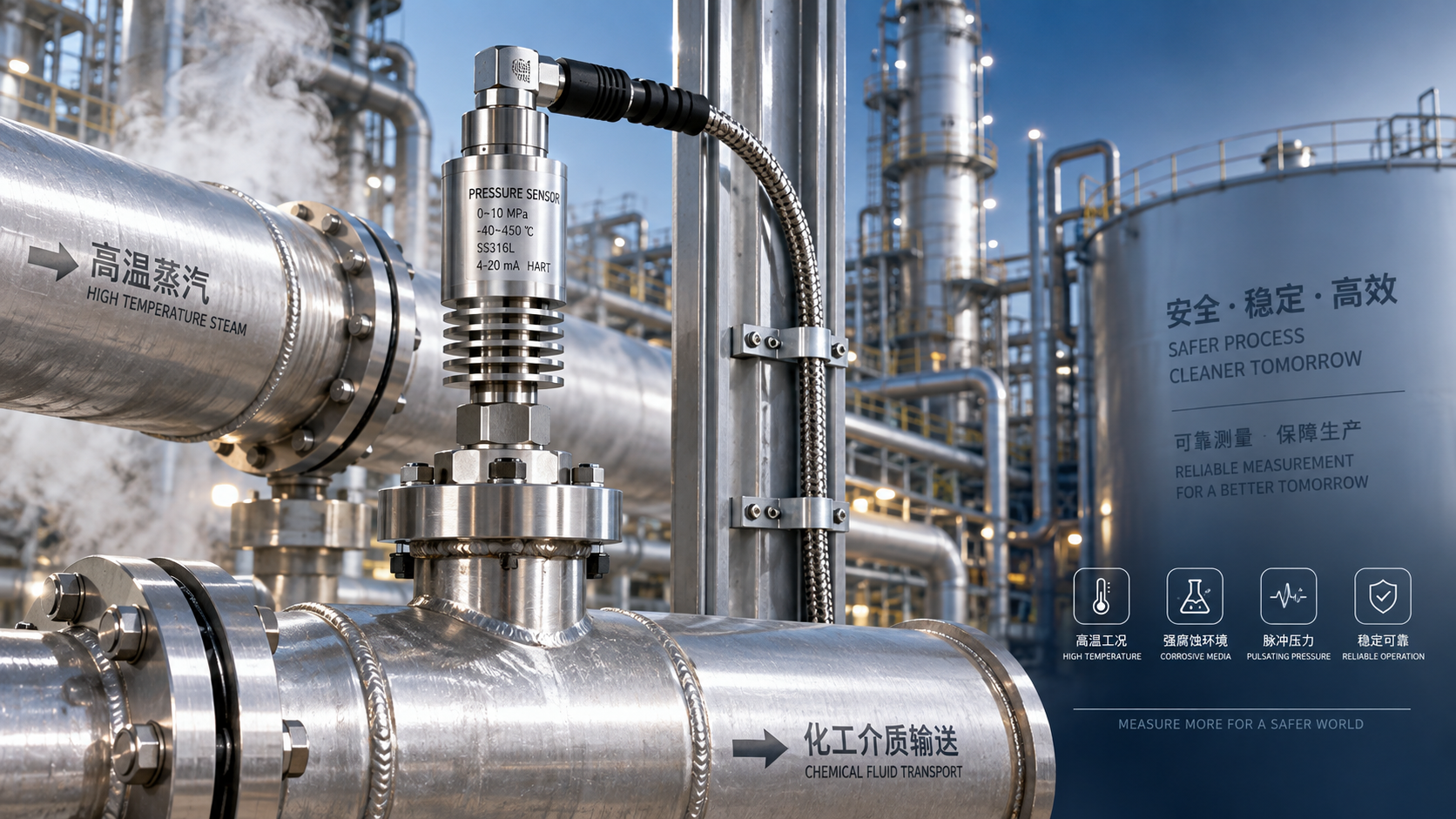
 Which parameters should be considered when selecting pressure sensors for high-temperature, corrosive, and pulsating operating conditions?
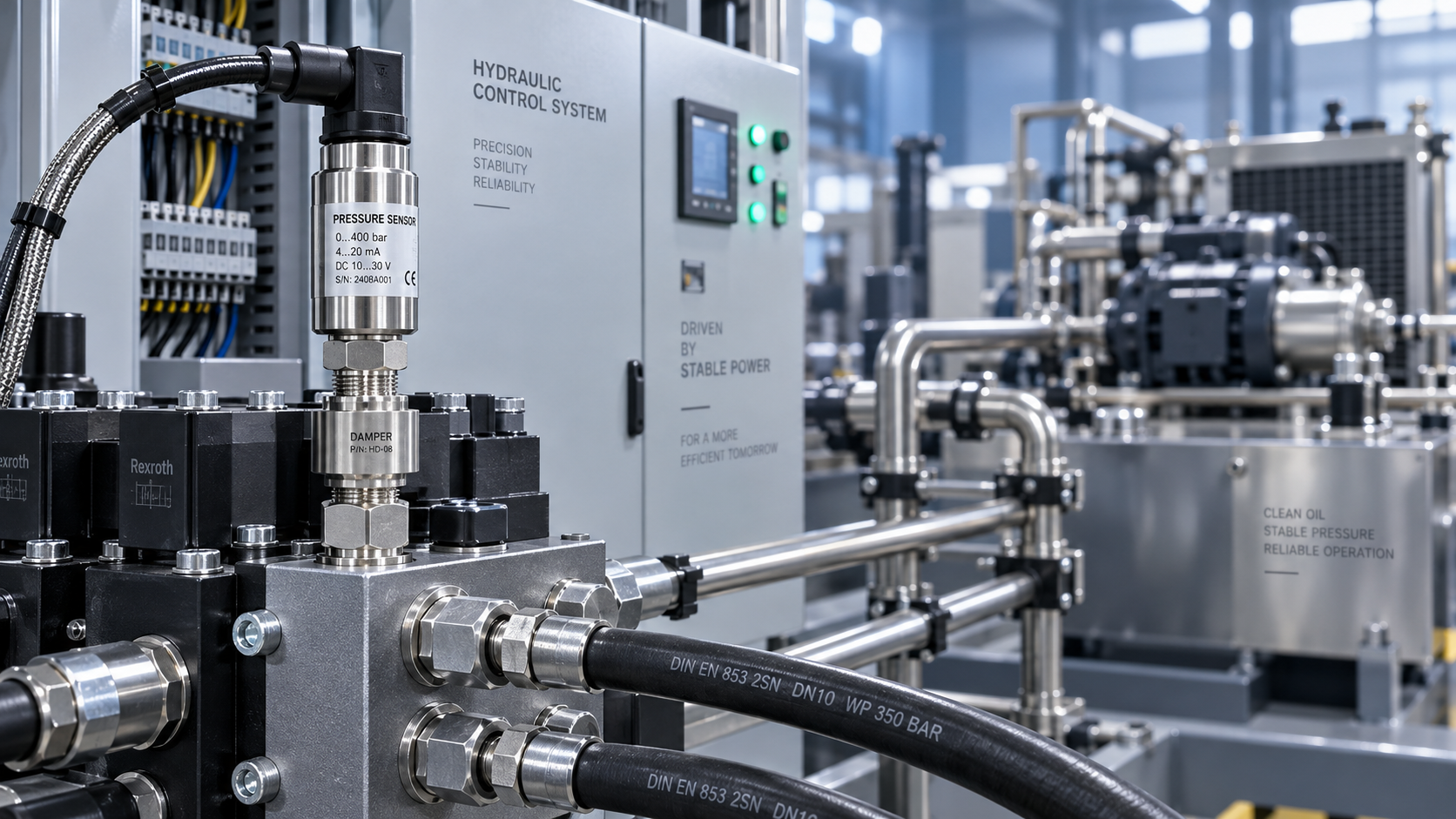
 Hydraulic equipment pressure fluctuates frequently. How can sensors be configured to improve control stability?