Product Center
—— Product Center ——
Product Center
Contact Us
Xi'an Shenghongchuang Instrument Co., Ltd.
Contact: Mr. Zhang
Mobile: 15529283736
Email: shc-sensor@qq.com
Address: Fortune Building, Sanqiao Street, Xixian New Area, Xi'an, Shaanxi Province
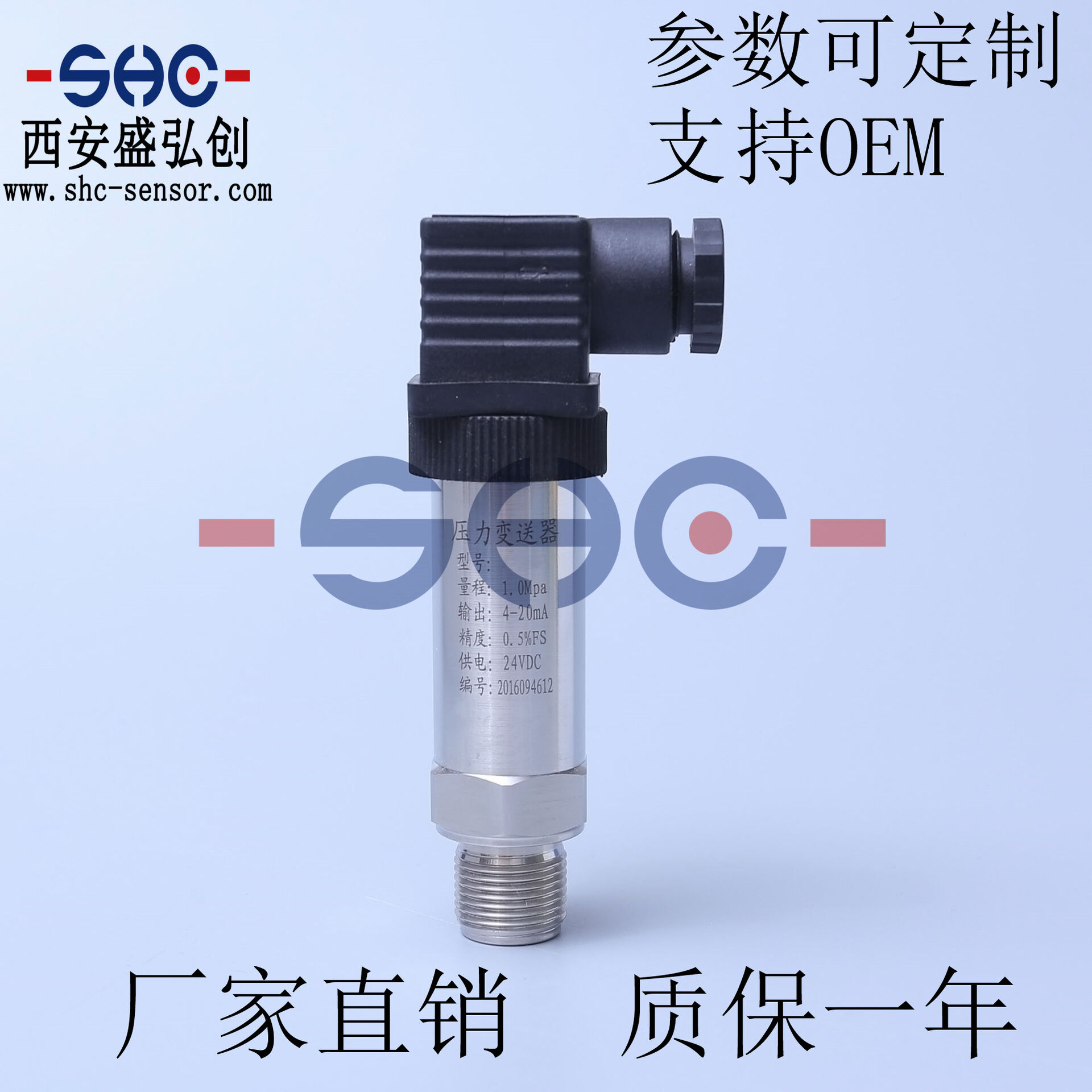
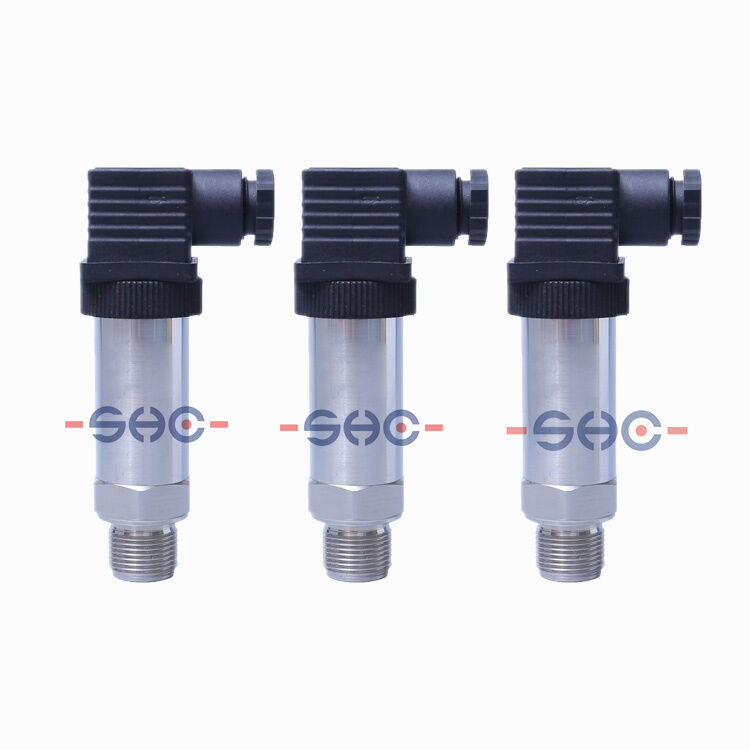
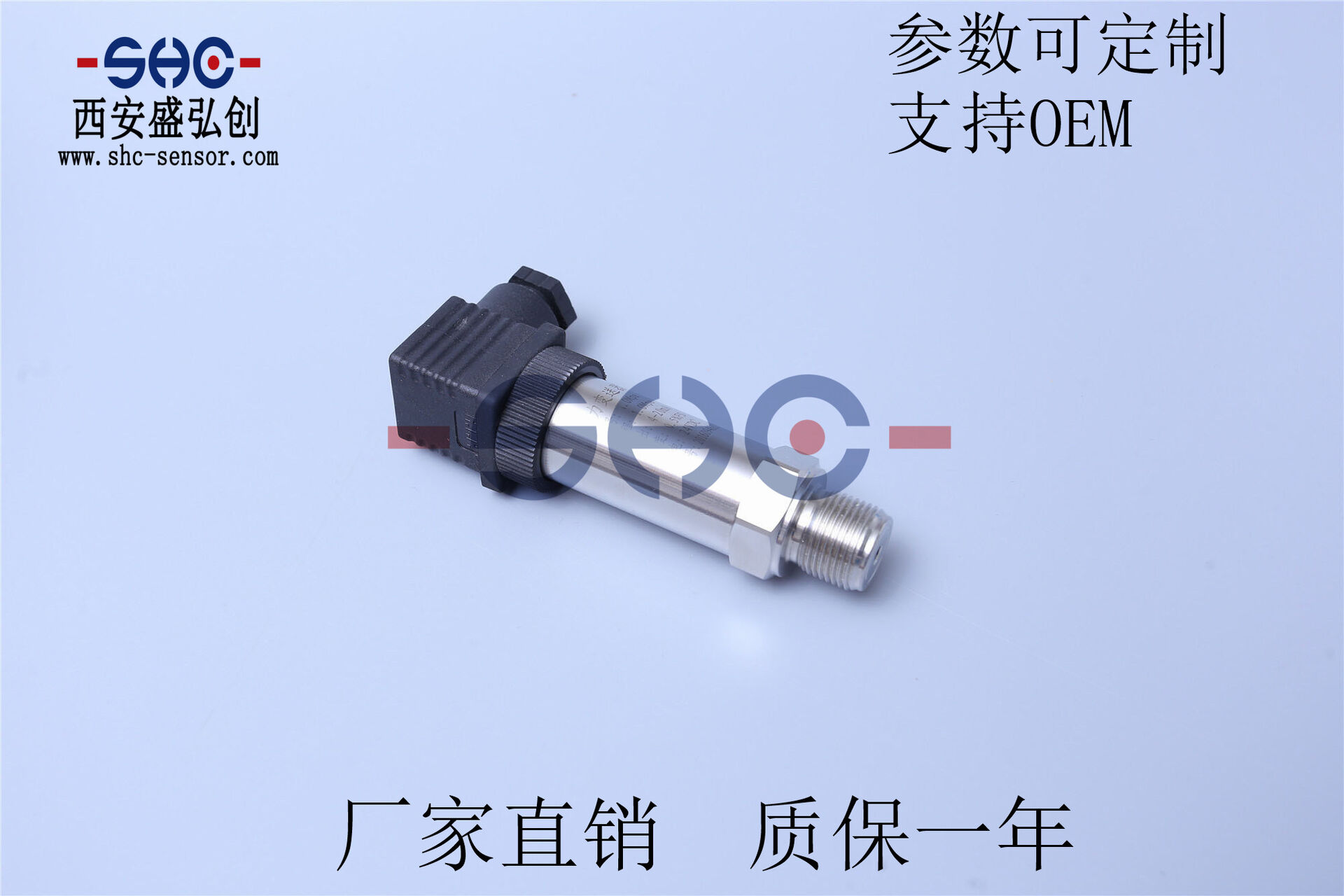
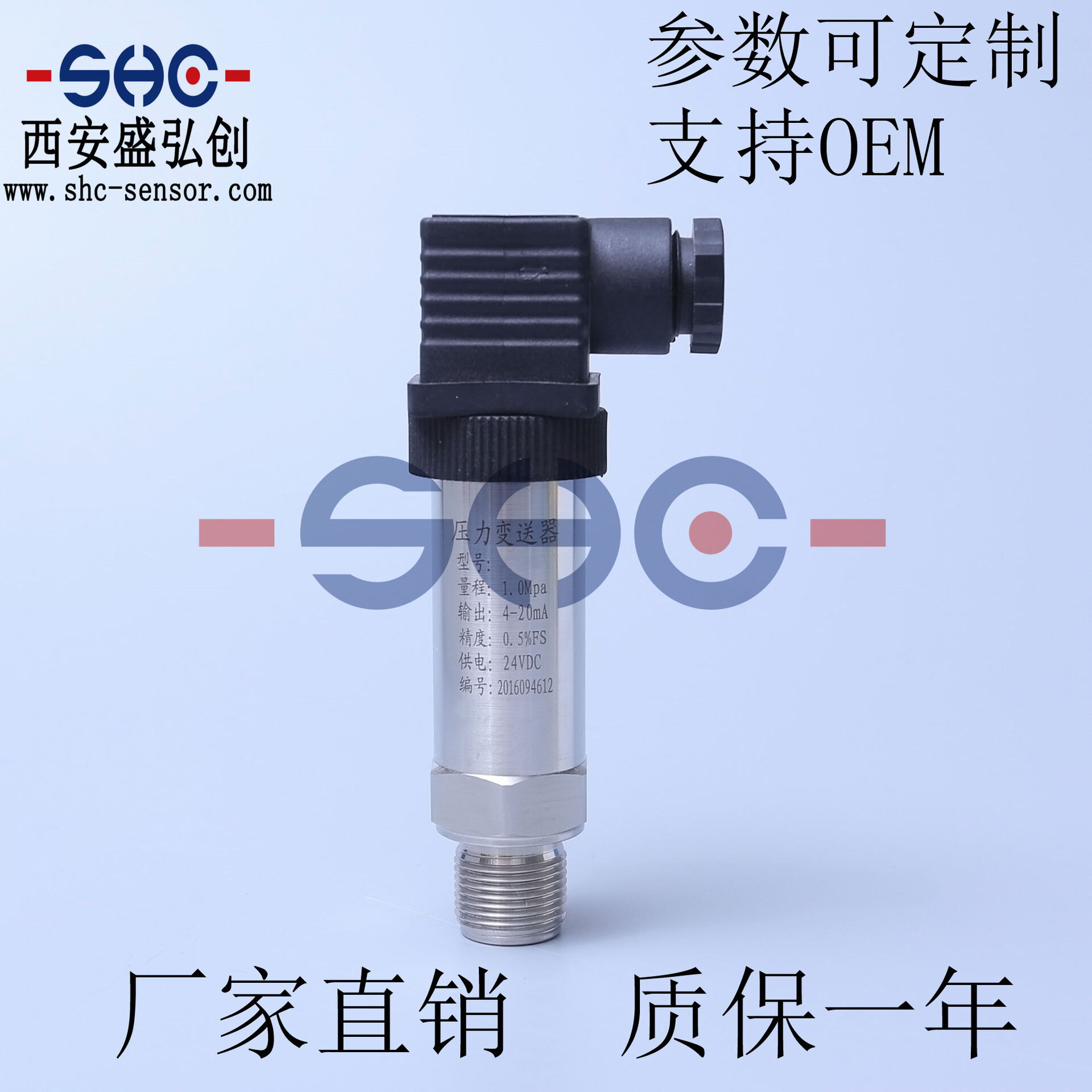
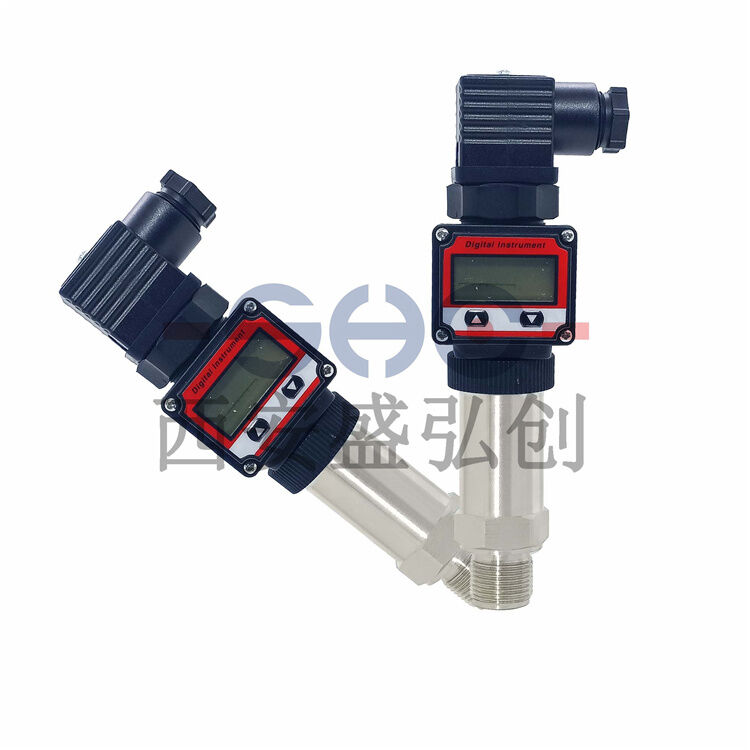
Domestic General-Purpose Pressure Transmitter SHT8 for Water, Oil, and Gas Pressure
Updated time:Mar 03, 2023
Xi'an Shenghongchuang Instrumentation Co., Ltd.
Contact: Mr. Zhang
Mobile: 15529283736
Email: shc-sensor@qq.com
Contact Us
This pressure transmitter adopts a 316L stainless steel isolation diaphragm structure, offering high accuracy, strong interference resistance, and excellent long-term stability. It has a wide media temperature range of approximately -40~+400℃, excellent corrosion resistance, and is suitable for measuring various media. The body is compact and精致, making installation convenient. It is generally available with two installation methods: threaded installation and flange installation, both offering good sealing performance.
High-temperature pressure transmitters can also be customized. The maximum pressure can reach 100MPa, and the media temperature can reach 400℃. This pressure transmitter is widely used in aerospace, aviation, petroleum, chemical, metallurgy, power, marine, pharmaceutical, environmental protection, scientific research, and other fields for the measurement and control of high-temperature gases, liquids, fluids, and colloids. It is an ideal product for measuring high-temperature media.
Common technical parameters and specifications of pressure transmitters:
1. Pressure measurement range: Options are available within -0.1~100MPa. Common pressure ranges include 0.6MPa, 1.0MPa, 1.6MPa, and 2.5MPa, among others.
2. Overload pressure: The overload pressure of industrial-grade pressure transmitters can typically reach twice their own full-scale range. Note that this is instantaneous overload and the transmitter cannot be overloaded for a long time. Prolonged overload will damage the elastic diaphragm of the pressure transmitter, and this damage is irreversible.
3. Measured media: The core diaphragm of the diffused silicon pressure transmitter is made of 316L stainless steel and is compatible with gases and liquids that are non-corrosive to 316L stainless steel. Pressure transmitters with ceramic or sapphire cores are generally used to measure strongly acidic or alkaline media, while the housing can be made of highly corrosion-resistant materials such as polytetrafluoroethylene.
4. Output signal: The output signal of a pressure transmitter is generally an industrial standard signal, including current signals of 4-20mA and 0-20mA, as well as voltage signals of 0-5V, 1-5V, and 0-10V.
5. Supply voltage: The standard supply voltage of a pressure transmitter is 24VDC, and it can also operate within a wide voltage range of 12-36VDC.
6. Accuracy: Accuracy refers to the precision of the pressure transmitter. It is calculated based on the transmitter's linearity, nonlinearity, and repeatability. Standard accuracy classes generally include 0.5%, 0.25%, and 0.1%.
7. Temperature: Pressure transmitters have three temperature parameters. The first is the measured media temperature. The standard temperature range is -20~+85℃. If the measured media temperature is too high or too low, a heat dissipation device must be added. The second is the storage temperature of the pressure transmitter, which is generally within room temperature, 0-50℃. The third is the compensation temperature. A pressure transmitter with temperature compensation is almost unaffected by temperature changes within the compensated temperature range.
8. Response time: The output of a pressure transmitter is a real-time transmitted electrical signal, generally understood to have infinite resolution. As long as the accuracy of the secondary instrument is sufficiently high, the amount of readable data is essentially unlimited. For applications requiring the measurement of high-frequency responses, such as explosions, a high-frequency dynamic pressure transmitter is required.
9. Pressure connection: The standard pressure connections are generally threaded, including M20*1.5, G1/2, and G1/4. Special threads can also be customized according to customer requirements. In addition to threaded connections, pressure transmitters can also be equipped with hygienic clamp quick connections and flange connections.
10. Electrical connection: The electrical connections of pressure transmitters include Hirschmann connector connection, aviation plug connection, direct cable connection, waterproof connection, and 2088 junction box connection, among others.
Related Recommendations